111582429315
Jartuti
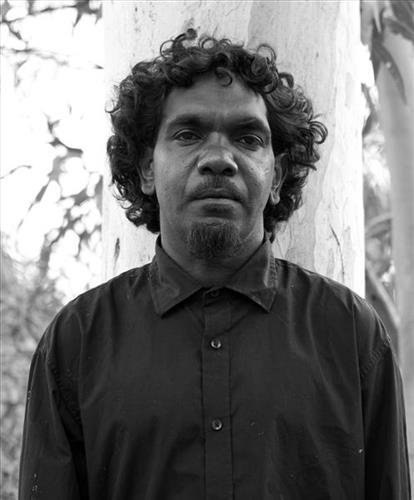
“There’s two types of cannibal, one that Yunkurra (Billy Atkins) writes about, Ngayurnangalku and one that takes all the pujiman (traditional, desert dwelling) babies. They jangara (cannibal devil). The jangara’s ngurra (home Country, camp) is near to Jartuti. The jangara, they’ve got their feet backwards. They don’t go the way that we do. They are like that, they [are] spiritual beings, cannibals. They’re children and baby eaters. They carry the babies in a dish on their head.
My grandfather was taken to that place, he lost [my grandmother] Bugai’s youngest brother there. The ngurra for the jangara is a cave. There’s yellow flowers that grow around the cave area where a big mob of jangara live. Around that cave is the hill and sand dunes. Right here is the purli (stone, hill), that’s a name for one type of yapu (rock, hill).
Jaturti is the ngurra for the Attwood, Williams, Jackson, and Sammy families. They come from this area. My mother’s mother [Pinyirr Nancy Patterson (dec.)], my nanna was born right at Jartuti. Her family used to stay at this yinta (permanent spring) for most of the year. Here, [close to Jartuti] is Wangkakalu, that’s a ngurra for all the families staying at that waterhole, looking after Country.”
– Cyril Whyoulter
Jartuti is a water source close to Parnngurr Aboriginal Community (otherwise known as Cotton Creek). As Cyril describes, Jartuti lies close to the home of the jangara, fearsome beings from the Jukurrpa (Dreaming) era.
Jartuti forms part of Cyril’s ngurra through his grandmother, Pinyirr Nancy Patterson. The Western Desert term ‘ngurra’ is hugely versatile in application. Broadly denoting birthplace and belonging, ngurra can refer to a body of water, a camp site, a large area of Country, or even a modern house. People identify with their ngurra in terms of specific rights and responsibilities, and the possession of intimate knowledge of the physical and cultural properties of one’s Country. This knowledge is traditionally passed intergenerationally through family connections. Painting ngurra, and in so doing sharing the Jukurrpa stories and physical characteristics of that place, has today become an important means of cultural maintenance. Physical maintenance of one’s ngurra, like cultural maintenance, ensures a site’s wellbeing, and is a responsibility of the people belonging to that area.