111982406827

Published by CompNet Systems on


Birlmu or Namarnkorl (Barramundi)

It is well known that Aboriginal art often depicts images of sacred totems or dreamings of Aboriginal culture. However, the world of the non-sacred also provides a rich source of subject matter for Aboriginal art. Much of the rock art of western Arnhem Land for example features secular topics such as common food animals and plants, depicted because of their economic importance but also merely because of their existence in the environment. The artist has depicted ‘birlmu’ or ‘namarnkorl’ (Barramundi [Lates calcarifer]). During the dry season the barramundi is an important food source for inland Aboriginal people. These fish are caught throughout the artist’s clan estate, either in fishtraps woven from pandanus or sedge grass, or else hunted with spears and fishing lines in billabongs and streams where they shelter from the sun under fallen logs or amongst the leaves of water plants.
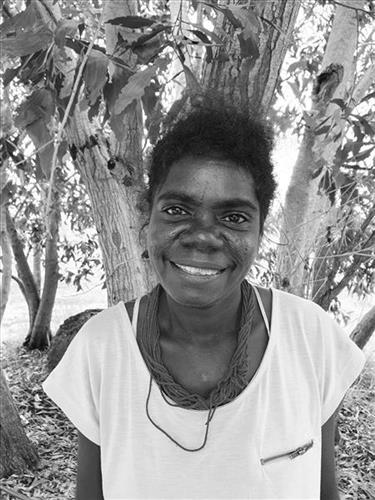
Name: Samantha Malkudja


Language: Kuninjku


Community: Maningrida


Biography:

Samantha Malkadja learned to weave from her mother Frewa Bardaluna, a master fibre artist who had numerous exhibitions with leading Australian commercial galleries.  Samantha’s work is distinguished by her soft tonal range, strong sense of design and intricate technique. Samantha makes panels and 2D sculptures which depict local fish and animal species and often yawkyawks, female water spirits.

Samantha predominately uses gun-menama (pandanus spiralis) in her works. To prepare the pandanus the inner leaves of the plant are collected using a hook. Each V-shaped leaf is first split in half along its spine. After removing the sharp spines, the two surfaces of the leaf are then split away from other. After this preparation, the pandanus is boiled in a billycan with plant materials to dye the fibre. Like her contemporaries, Samantha only uses natural dyes and achieves enormous variation. 


© the artist / art centre