Chrysolola Drops Leaves Earrings
My jewellry is made from a variety of materials, which include semi precious stones, seeds, shell, wood and bone. All of the jewellery has sterling silver findings and on good quality jewellery wire.

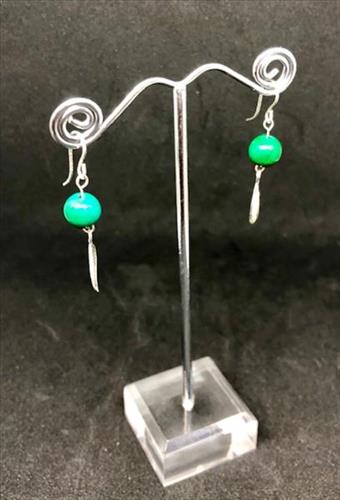
My jewellry is made from a variety of materials, which include semi precious stones, seeds, shell, wood and bone. All of the jewellery has sterling silver findings and on good quality jewellery wire.

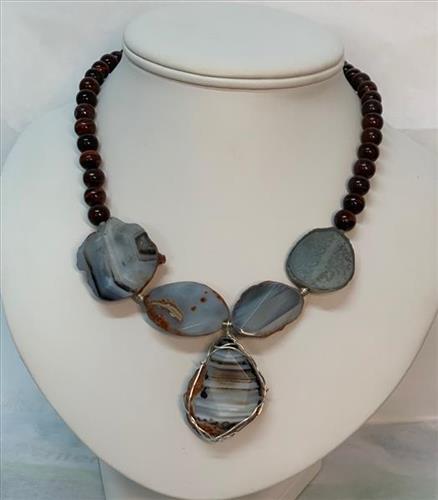
My jewellery is made from a variety of materials, which include semi precious stones, seeds, shell, wood and bone. All of the jewellery has sterling silver findings and on good quality jewellery wire. The seeds I used are sourced locally.

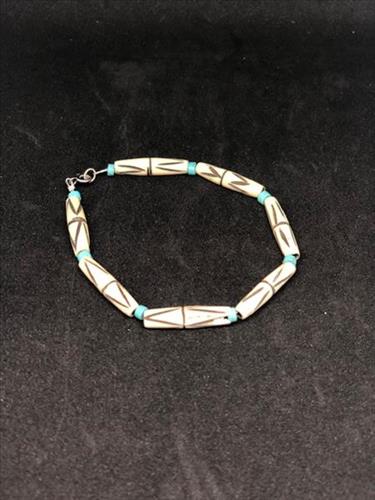
My jewellry is made from a variety of materials, which include semi precious stones, seeds, shell, wood and bone. All of the jewellery has sterling silver findings and on good quality jewellery wire.

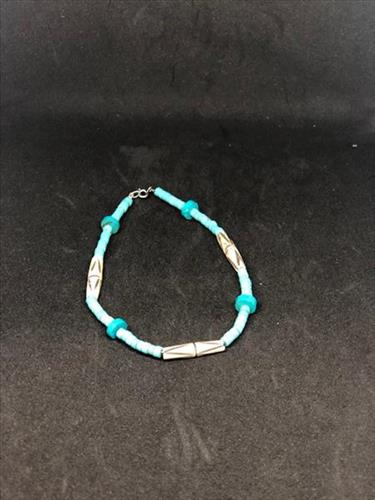

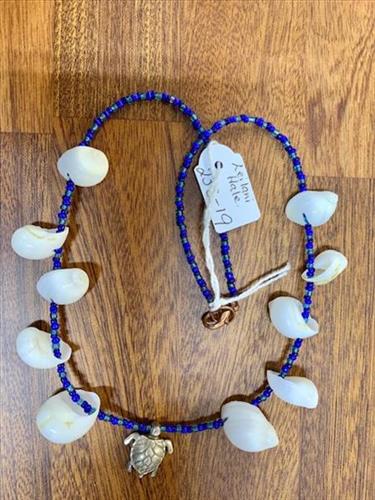

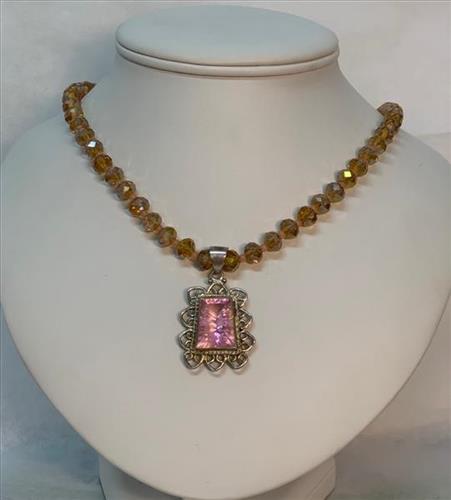
My jewellery is made from a variety of materials, which include semi precious stones, seeds, shell, wood and bone. All of the jewellery have sterling silver findings and on good quality jewellery wire. The seeds that are used are sourced locally.


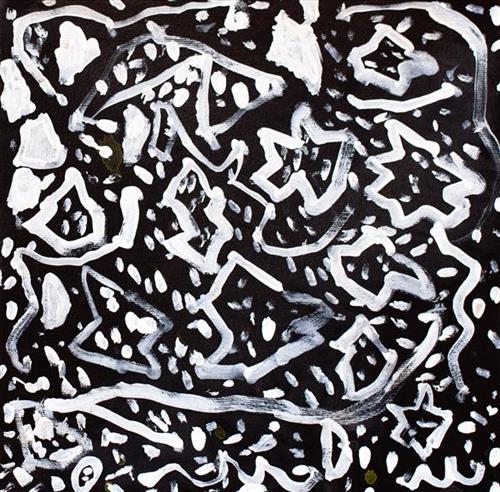
This canvas was painted as part of the Martumili Kuulkaja (Martu Schools) exhibition, a project designed to engage and celebrate the schools of the remote Martu communities.
This painting portrays physical elements of Martu Country, such as the dominant tali (sandhills), warta (trees, vegetation), and water sources. Rock holes, waterholes, soaks and springs were all extremely important sites for Martu people during the pujiman (nomadic bush) era, with many important jukurrpa (dreamtime stories) chronicling the creation of these landmarks. In the past the Martu lived nomadically, moving from water source to water source, and hunting and gathering bush tucker as they went. They would traverse very large distances annually, visiting specific areas in the dry and wet season depending on the availability of water. As they travelled and hunted they would also burn areas of country creating a larger diversity of plant and animal life.
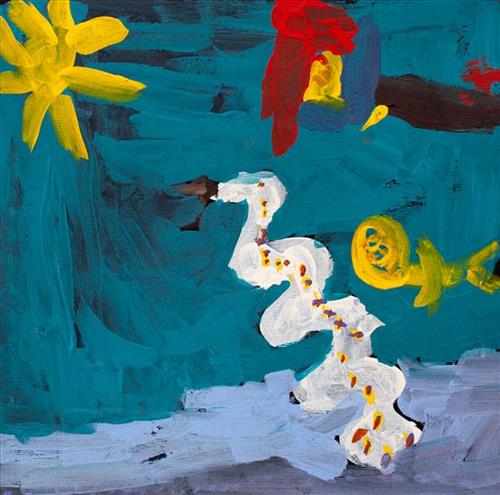
This canvas was painted as part of the Martumili Kuulkaja (Martu Schools) exhibition, a project designed to engage and celebrate the schools of the remote Martu communities.
This painting portrays physical elements of Martu Country, such as the dominant tali (sandhills), warta (trees, vegetation), and water sources. Rock holes, waterholes, soaks and springs were all extremely important sites for Martu people during the pujiman (nomadic bush) era, with many important jukurrpa (dreamtime stories) chronicling the creation of these landmarks. In the past the Martu lived nomadically, moving from water source to water source, and hunting and gathering bush tucker as they went. They would traverse very large distances annually, visiting specific areas in the dry and wet season depending on the availability of water. As they travelled and hunted they would also burn areas of country creating a larger diversity of plant and animal life.