111981516104


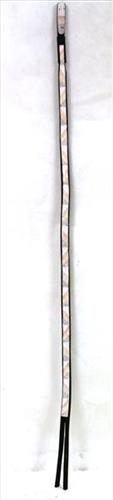
Mimih Spirit

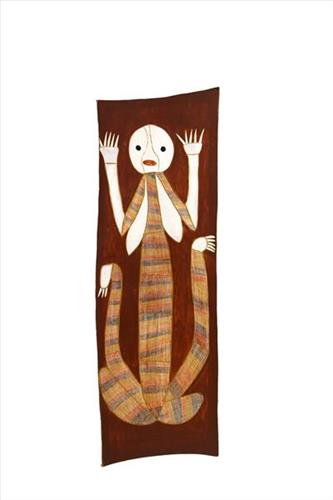
Aboriginal people in the rocky environments of western and south-western Arnhem Land tell of the existence of tall slender spirits which they call Mimih. The name Mimih is well known throughout the top end of the Northern Territory. Aboriginal groups living in the rocky environments of western and southern Arnhem Land share mythology which relates to the beings known as Mimih. These groups include the Kunwok chain of languages, and also Rembarrnga, Dalabon and Djawoyn language groups. Other groups of people with familial and ceremonial links to rock country inhabitants are also familiar with the idea of the Mimih.

In recent years the Mimih has become a topic in the repertoires of some artists among the Kunibídji people, speakers of the Ndjébbana language and the traditional landowners of the Maningrida area. The people of western Arnhem Land believe that Mimih spirits live in a social organisation similar to Aboriginal people and that Mimih society existed before humans. Mimih are credited with instructing the first people with knowledge relating to survival in the rocky environment of the Arnhem Land plateau. Mimih are said to have taught the first humans how to hunt and butcher game and also how to dance, sing and paint. The song and dance style of western Arnhem Land Aboriginal people is still known today as Mimih style. This term is also used by Aboriginal people further to the east in Central Arnhem Land when describing the dance and song of their western neighbours.

Despite the usual descriptions of Mimih as being benign towards humans, sometimes however they are attributed with mischievous and dangerous qualities, capable of kidnapping and even killing humans. ‘Clever’ men, or Aboriginal men with supernatural powers, sometimes befriend the Mimih and are taught their songs and dances and shown their secret places. The Mimih are like people using the same kinship terms and speaking the same language as the local Aboriginal group. They live in families like humans and it is said that some of these Aboriginal men with mystical knowledge have spent time living with them in their camps.

Mimih are however, terribly thin, having necks so slender that a stiff breeze would be fatal. For this reason they emerge only on windless days and nights to hunt. As soon as a breeze develops, the Mimih are said to run back to their rocky caverns and disappear inside.
111981516102


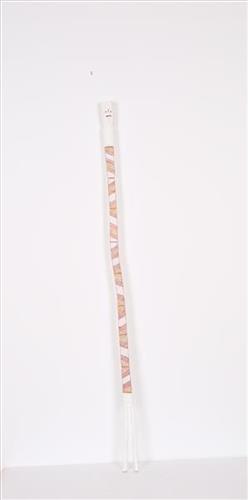
Mimih Spirit

Aboriginal people in the rocky environments of western and south-western Arnhem Land tell of the existence of tall slender spirits which they call Mimih. The name Mimih is well known throughout the top end of the Northern Territory. Aboriginal groups living in the rocky environments of western and southern Arnhem Land share mythology which relates to the beings known as Mimih. These groups include the Kunwok chain of languages, and also Rembarrnga, Dalabon and Djawoyn language groups. Other groups of people with familial and ceremonial links to rock country inhabitants are also familiar with the idea of the Mimih.

In recent years the Mimih has become a topic in the repertoires of some artists among the Kunibídji people, speakers of the Ndjébbana language and the traditional landowners of the Maningrida area. The people of western Arnhem Land believe that Mimih spirits live in a social organisation similar to Aboriginal people and that Mimih society existed before humans. Mimih are credited with instructing the first people with knowledge relating to survival in the rocky environment of the Arnhem Land plateau. Mimih are said to have taught the first humans how to hunt and butcher game and also how to dance, sing and paint. The song and dance style of western Arnhem Land Aboriginal people is still known today as Mimih style. This term is also used by Aboriginal people further to the east in Central Arnhem Land when describing the dance and song of their western neighbours.

Despite the usual descriptions of Mimih as being benign towards humans, sometimes however they are attributed with mischievous and dangerous qualities, capable of kidnapping and even killing humans. ‘Clever’ men, or Aboriginal men with supernatural powers, sometimes befriend the Mimih and are taught their songs and dances and shown their secret places. The Mimih are like people using the same kinship terms and speaking the same language as the local Aboriginal group. They live in families like humans and it is said that some of these Aboriginal men with mystical knowledge have spent time living with them in their camps.

Mimih are however, terribly thin, having necks so slender that a stiff breeze would be fatal. For this reason they emerge only on windless days and nights to hunt. As soon as a breeze develops, the Mimih are said to run back to their rocky caverns and disappear inside.
111981516097


Mimih Spirit

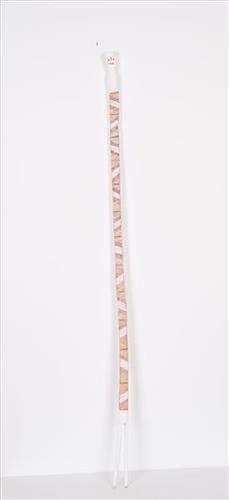
Aboriginal people in the rocky environments of western and south-western Arnhem Land tell of the existence of tall slender spirits which they call Mimih. The name Mimih is well known throughout the top end of the Northern Territory. Aboriginal groups living in the rocky environments of western and southern Arnhem Land share mythology which relates to the beings known as Mimih. These groups include the Kunwok chain of languages, and also Rembarrnga, Dalabon and Djawoyn language groups. Other groups of people with familial and ceremonial links to rock country inhabitants are also familiar with the idea of the Mimih.

In recent years the Mimih has become a topic in the repertoires of some artists among the Kunibídji people, speakers of the Ndjébbana language and the traditional landowners of the Maningrida area. The people of western Arnhem Land believe that Mimih spirits live in a social organisation similar to Aboriginal people and that Mimih society existed before humans. Mimih are credited with instructing the first people with knowledge relating to survival in the rocky environment of the Arnhem Land plateau. Mimih are said to have taught the first humans how to hunt and butcher game and also how to dance, sing and paint. The song and dance style of western Arnhem Land Aboriginal people is still known today as Mimih style. This term is also used by Aboriginal people further to the east in Central Arnhem Land when describing the dance and song of their western neighbours.

Despite the usual descriptions of Mimih as being benign towards humans, sometimes however they are attributed with mischievous and dangerous qualities, capable of kidnapping and even killing humans. ‘Clever’ men, or Aboriginal men with supernatural powers, sometimes befriend the Mimih and are taught their songs and dances and shown their secret places. The Mimih are like people using the same kinship terms and speaking the same language as the local Aboriginal group. They live in families like humans and it is said that some of these Aboriginal men with mystical knowledge have spent time living with them in their camps.

Mimih are however, terribly thin, having necks so slender that a stiff breeze would be fatal. For this reason they emerge only on windless days and nights to hunt. As soon as a breeze develops, the Mimih are said to run back to their rocky caverns and disappear inside.
111981516341


Mimih Spirit

Aboriginal people in the rocky environments of western and south-western Arnhem Land tell of the existence of tall slender spirits which they call Mimih. The name Mimih is well known throughout the top end of the Northern Territory. Aboriginal groups living in the rocky environments of western and southern Arnhem Land share mythology which relates to the beings known as Mimih. These groups include the Kunwok chain of languages, and also Rembarrnga, Dalabon and Djawoyn language groups. Other groups of people with familial and ceremonial links to rock country inhabitants are also familiar with the idea of the Mimih.

In recent years the Mimih has become a topic in the repertoires of some artists among the Kunibídji people, speakers of the Ndjébbana language and the traditional landowners of the Maningrida area. The people of western Arnhem Land believe that Mimih spirits live in a social organisation similar to Aboriginal people and that Mimih society existed before humans. Mimih are credited with instructing the first people with knowledge relating to survival in the rocky environment of the Arnhem Land plateau. Mimih are said to have taught the first humans how to hunt and butcher game and also how to dance, sing and paint. The song and dance style of western Arnhem Land Aboriginal people is still known today as Mimih style. This term is also used by Aboriginal people further to the east in Central Arnhem Land when describing the dance and song of their western neighbours.

Despite the usual descriptions of Mimih as being benign towards humans, sometimes however they are attributed with mischievous and dangerous qualities, capable of kidnapping and even killing humans. ‘Clever’ men, or Aboriginal men with supernatural powers, sometimes befriend the Mimih and are taught their songs and dances and shown their secret places. The Mimih are like people using the same kinship terms and speaking the same language as the local Aboriginal group. They live in families like humans and it is said that some of these Aboriginal men with mystical knowledge have spent time living with them in their camps.

Mimih are however, terribly thin, having necks so slender that a stiff breeze would be fatal. For this reason they emerge only on windless days and nights to hunt. As soon as a breeze develops, the Mimih are said to run back to their rocky caverns and disappear inside.
111981517101


Namarrkon the Lightning Spirit

Namarden or Namarrkon are Eastern Kunwinjku names for the Lightning Spirit. This entity, which is responsible for lightning and thunder, is painted on both stone and bark in a form described as ‘like a grasshopper’. Namarrkon is said to have made Ngaldjurr – Leichardt’s or the spectacular grasshopper [Petasia ephippigera]. The species emerges, mates and is most active and visible in the season known as Kunemeleng, between October and December when there are intense electrical storms. Ngaldjurr is then said to be ‘looking for’ Namarrkon. Namarrkon makes lightning and thunder by striking out with kurlbburru – stone axes which protrude from its joints. Today, the Kuninjku will not leave axes lying out in the open during an electrical storm as the axes act as an attraction to the destructive force of Namarrkon. The lines emanating from Namarrkon’s head are said to be mardno or lightning bolts of power.

There is a dreaming site for the lightning spirit on the Liverpool River. The site, Kukkurrh, is a high undercut red gravel bank on a bend in the river. The rest of the country along the river is either flat grassy plains or thick mangrove forest. The red cliffs are in startling contrast to the rest of the landscape. The Kuninjku tell of a lightning man who grew angry and began making a terrifying and destructive storm. A lightning woman began to feel sorry for the human beings who were being killed by the storm. The man and woman stood as ‘cousin’ to each other in tribal relationship – this relationship between men and women is one of restraint and avoidance. When the lightning woman grabbed her cousin to calm him down he immediately became quiet and let people live. So it is today, say the Kuninjku, if a man is fighting and no one can calm him, he will become quiet if his cousin tries to restrain him

111981517013


Coil Basket

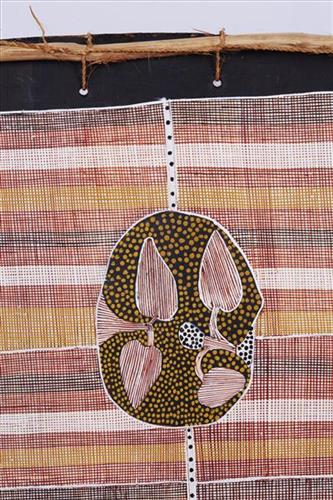
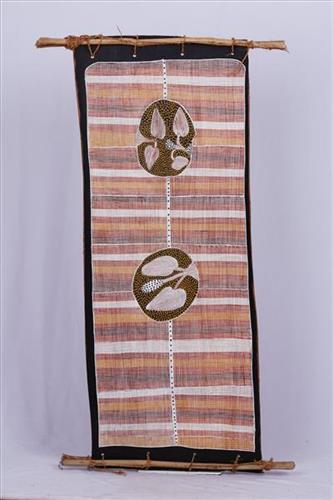
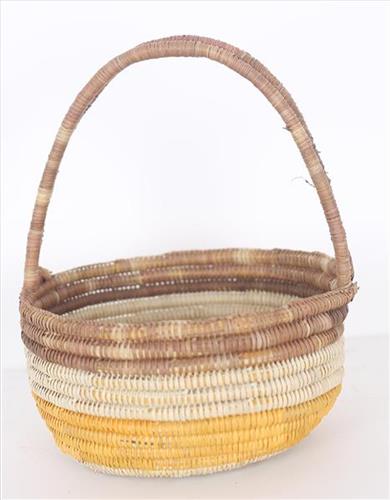
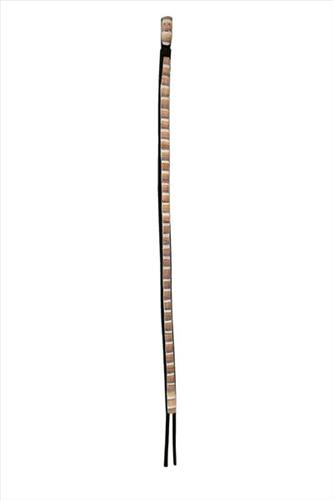
Coiling technique was introduced in the 1920s at Goulburn Island to the Maung people by missionaries and quickly spread to the mainland. Many artists produce coiled baskets of varied shapes, ranging from small round baskets to large oval baby baskets made from dyed pandanus. Artists combine colours and patterns to obtain intricate new graphic patterns.

111981517320


Mimih Spirit

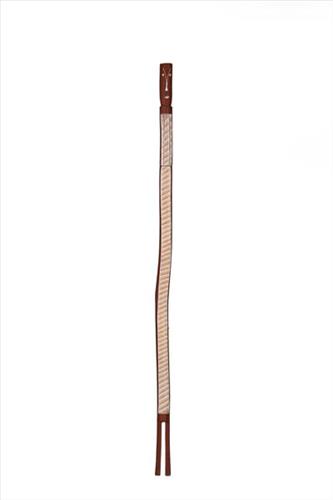
Aboriginal people in the rocky environments of western and south-western Arnhem Land tell of the existence of tall slender spirits which they call Mimih. The name Mimih is well known throughout the top end of the Northern Territory. Aboriginal groups living in the rocky environments of western and southern Arnhem Land share mythology which relates to the beings known as Mimih. These groups include the Kunwok chain of languages, and also Rembarrnga, Dalabon and Djawoyn language groups. Other groups of people with familial and ceremonial links to rock country inhabitants are also familiar with the idea of the Mimih.

In recent years the Mimih has become a topic in the repertoires of some artists among the Kunibídji people, speakers of the Ndjébbana language and the traditional landowners of the Maningrida area. The people of western Arnhem Land believe that Mimih spirits live in a social organisation similar to Aboriginal people and that Mimih society existed before humans. Mimih are credited with instructing the first people with knowledge relating to survival in the rocky environment of the Arnhem Land plateau. Mimih are said to have taught the first humans how to hunt and butcher game and also how to dance, sing and paint. The song and dance style of western Arnhem Land Aboriginal people is still known today as Mimih style. This term is also used by Aboriginal people further to the east in Central Arnhem Land when describing the dance and song of their western neighbours.

Despite the usual descriptions of Mimih as being benign towards humans, sometimes however they are attributed with mischievous and dangerous qualities, capable of kidnapping and even killing humans. ‘Clever’ men, or Aboriginal men with supernatural powers, sometimes befriend the Mimih and are taught their songs and dances and shown their secret places. The Mimih are like people using the same kinship terms and speaking the same language as the local Aboriginal group. They live in families like humans and it is said that some of these Aboriginal men with mystical knowledge have spent time living with them in their camps.

Mimih are however, terribly thin, having necks so slender that a stiff breeze would be fatal. For this reason they emerge only on windless days and nights to hunt. As soon as a breeze develops, the Mimih are said to run back to their rocky caverns and disappear inside.
111981517301


Mimih Spirit

Aboriginal people in the rocky environments of western and south-western Arnhem Land tell of the existence of tall slender spirits which they call Mimih. The name Mimih is well known throughout the top end of the Northern Territory. Aboriginal groups living in the rocky environments of western and southern Arnhem Land share mythology which relates to the beings known as Mimih. These groups include the Kunwok chain of languages, and also Rembarrnga, Dalabon and Djawoyn language groups. Other groups of people with familial and ceremonial links to rock country inhabitants are also familiar with the idea of the Mimih.

In recent years the Mimih has become a topic in the repertoires of some artists among the Kunibídji people, speakers of the Ndjébbana language and the traditional landowners of the Maningrida area. The people of western Arnhem Land believe that Mimih spirits live in a social organisation similar to Aboriginal people and that Mimih society existed before humans. Mimih are credited with instructing the first people with knowledge relating to survival in the rocky environment of the Arnhem Land plateau. Mimih are said to have taught the first humans how to hunt and butcher game and also how to dance, sing and paint. The song and dance style of western Arnhem Land Aboriginal people is still known today as Mimih style. This term is also used by Aboriginal people further to the east in Central Arnhem Land when describing the dance and song of their western neighbours.

Despite the usual descriptions of Mimih as being benign towards humans, sometimes however they are attributed with mischievous and dangerous qualities, capable of kidnapping and even killing humans. ‘Clever’ men, or Aboriginal men with supernatural powers, sometimes befriend the Mimih and are taught their songs and dances and shown their secret places. The Mimih are like people using the same kinship terms and speaking the same language as the local Aboriginal group. They live in families like humans and it is said that some of these Aboriginal men with mystical knowledge have spent time living with them in their camps.

Mimih are however, terribly thin, having necks so slender that a stiff breeze would be fatal. For this reason they emerge only on windless days and nights to hunt. As soon as a breeze develops, the Mimih are said to run back to their rocky caverns and disappear inside.
111981518823


Ngalyod (Rainbow Serpent)

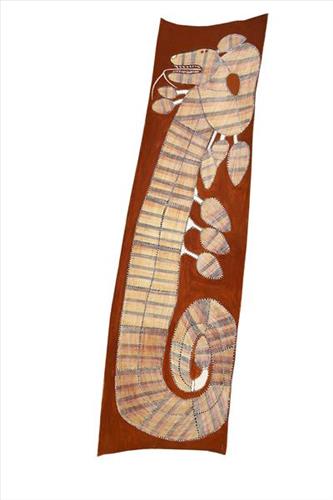
The rainbow serpent is a powerful mythological figure for all Aboriginal people throughout Australia. Characteristics of the rainbow serpent vary greatly from group to group and also depending on the site. Often viewed as a female generative figure, the rainbow serpent can sometimes also be male. She has both powers of creation and destruction and is most strongly associated with rain, monsoon seasons and of course the colour seen in rainbows which arc across the sky like a giant serpent. For Aboriginal people in Northern Australia, the rainbow serpent is said to be active during the wet season.

Known as Ngalyod in the Kuninjku language of western central Arnhem Land, the rainbow serpent is mostly associated with bodies of water such as billabongs, creeks, rivers and waterfalls where she resides. Therefore she is responsible for the production of most water plants such as water lilies, water vines, algae and palms, which grow near water. The roar of waterfalls in the escarpment country is said to be her voice. Large holes in stony banks of rivers and cliff faces are said to be her tracks. She is held in awe because of her apparent ability to renew her life by shedding her skin and emerging anew. Aboriginal myths about the rainbow serpent often describe her as a fearful creature that swallows humans only to regurgitate them, transformed by her blood. The white ochre used by artists to create the brilliant white paint for bark paintings, body decoration and in the past, rock art, is said to be the faeces of the rainbow serpent.

Aboriginal people today respect and care take sacred sites where the rainbow serpent is said to reside. Often certain activities are forbidden at these places for fear that the wrath of the great snake will cause sickness, accidents and even tempests. This is not always the case however and there are many rainbow serpent sites today where people may enter to hunt, fish or swim. By painting this figure on bark today, Aboriginal people are carrying on the longest uninterrupted mythological tradition in the world, which has been the subject of art and ceremony for possibly thousands of years.