377810582132208


Dedded Wongkorr

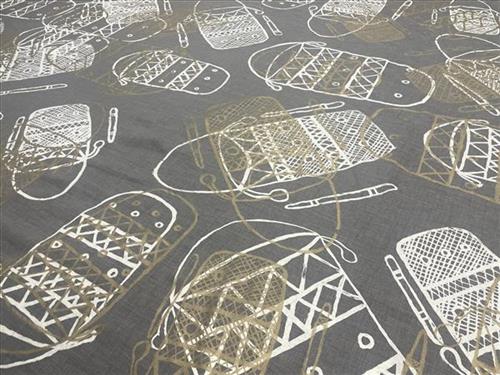
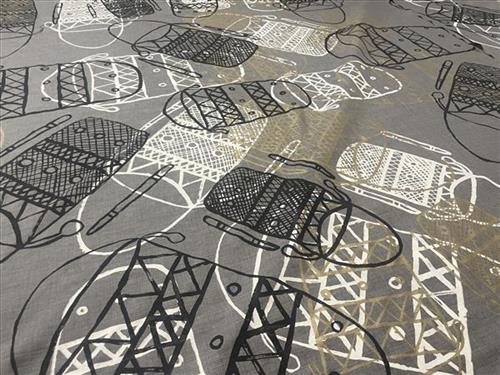
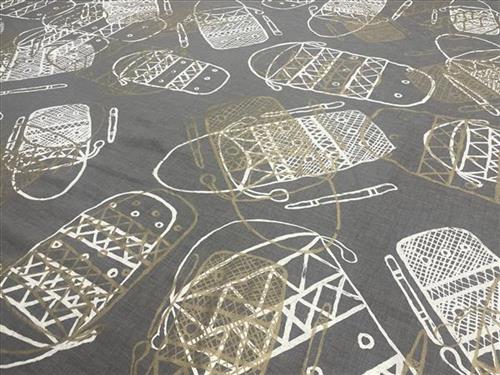
This design depicts a ‘wongkorr’ sacred dilly bag woven with brightly coloured orange parrot feathers called ‘dedded’. It is depicted alongside a digging stick. Wongkorr are used in a number of public ceremonial contexts, and are sacred objects for the Bininj Kunwok speaking people of Western Arnhem Land.

‘This is a really special kind of dillybag for us, not like a normal dillybag.

This story was from a long time ago, when my great great grandfather was alive. He’s the one that was a medicine man for our people.
We are not supposed to see that sacred spirit dillybag that lives below the saltwater. If we ever see that site, it might drag us under and drown us. When the tide goes out he floats and when the tide comes in he goes under to hide.

This story is about fresh water and salt water mixing and our ancient law. There are strings of the Wongkorr hold it under the water. The Wongkorr is made with lorikeet parrot feathers and Kurrajong bark string.

I remember having a ceremony at that outstation Bolkjam when I was only 16 years old, near Ji Bal-bal homeland, and my father would tell me the story of the Wongkorr sacred site. My two sisters taught me to paint, and my Dad was a famous painter. Some balanda (non-Indigneous) know my father’s painting, it is about digging sticks, sharks and wongkorr.

This story links to mixed water, plant life and animals living at the artist’s country, and following the lessons and knowledge of the ancestors.’ Elizabeth Kala Kala

377810582132207


Dedded Wongkorr

This design depicts a ‘wongkorr’ sacred dilly bag woven with brightly coloured orange parrot feathers called ‘dedded’. It is depicted alongside a digging stick. Wongkorr are used in a number of public ceremonial contexts, and are sacred objects for the Bininj Kunwok speaking people of Western Arnhem Land.

‘This is a really special kind of dillybag for us, not like a normal dillybag.

This story was from a long time ago, when my great great grandfather was alive. He’s the one that was a medicine man for our people.
We are not supposed to see that sacred spirit dillybag that lives below the saltwater. If we ever see that site, it might drag us under and drown us. When the tide goes out he floats and when the tide comes in he goes under to hide.

This story is about fresh water and salt water mixing and our ancient law. There are strings of the Wongkorr hold it under the water. The Wongkorr is made with lorikeet parrot feathers and Kurrajong bark string.

I remember having a ceremony at that outstation Bolkjam when I was only 16 years old, near Ji Bal-bal homeland, and my father would tell me the story of the Wongkorr sacred site. My two sisters taught me to paint, and my Dad was a famous painter. Some balanda (non-Indigneous) know my father’s painting, it is about digging sticks, sharks and wongkorr.

This story links to mixed water, plant life and animals living at the artist’s country, and following the lessons and knowledge of the ancestors.’ Elizabeth Kala Kala

377810582132206


Dedded Wongkorr

This design depicts a ‘wongkorr’ sacred dilly bag woven with brightly coloured orange parrot feathers called ‘dedded’. It is depicted alongside a digging stick. Wongkorr are used in a number of public ceremonial contexts, and are sacred objects for the Bininj Kunwok speaking people of Western Arnhem Land.

‘This is a really special kind of dillybag for us, not like a normal dillybag.

This story was from a long time ago, when my great great grandfather was alive. He’s the one that was a medicine man for our people.
We are not supposed to see that sacred spirit dillybag that lives below the saltwater. If we ever see that site, it might drag us under and drown us. When the tide goes out he floats and when the tide comes in he goes under to hide.

This story is about fresh water and salt water mixing and our ancient law. There are strings of the Wongkorr hold it under the water. The Wongkorr is made with lorikeet parrot feathers and Kurrajong bark string.

I remember having a ceremony at that outstation Bolkjam when I was only 16 years old, near Ji Bal-bal homeland, and my father would tell me the story of the Wongkorr sacred site. My two sisters taught me to paint, and my Dad was a famous painter. Some balanda (non-Indigneous) know my father’s painting, it is about digging sticks, sharks and wongkorr.

This story links to mixed water, plant life and animals living at the artist’s country, and following the lessons and knowledge of the ancestors.’ Elizabeth Kala Kala
377810582132205


Dedded Wongkorr

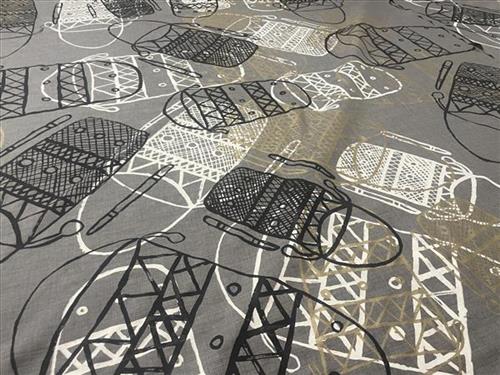
This design depicts a ‘wongkorr’ sacred dilly bag woven with brightly coloured orange parrot feathers called ‘dedded’. It is depicted alongside a digging stick. Wongkorr are used in a number of public ceremonial contexts, and are sacred objects for the Bininj Kunwok speaking people of Western Arnhem Land.

‘This is a really special kind of dillybag for us, not like a normal dillybag.

This story was from a long time ago, when my great great grandfather was alive. He’s the one that was a medicine man for our people.
We are not supposed to see that sacred spirit dillybag that lives below the saltwater. If we ever see that site, it might drag us under and drown us. When the tide goes out he floats and when the tide comes in he goes under to hide.

This story is about fresh water and salt water mixing and our ancient law. There are strings of the Wongkorr hold it under the water. The Wongkorr is made with lorikeet parrot feathers and Kurrajong bark string.

I remember having a ceremony at that outstation Bolkjam when I was only 16 years old, near Ji Bal-bal homeland, and my father would tell me the story of the Wongkorr sacred site. My two sisters taught me to paint, and my Dad was a famous painter. Some balanda (non-Indigneous) know my father’s painting, it is about digging sticks, sharks and wongkorr.

This story links to mixed water, plant life and animals living at the artist’s country, and following the lessons and knowledge of the ancestors.’ Elizabeth Kala Kala

377810582132204


Dedded Wongkorr

This design depicts a ‘wongkorr’ sacred dilly bag woven with brightly coloured orange parrot feathers called ‘dedded’. It is depicted alongside a digging stick. Wongkorr are used in a number of public ceremonial contexts, and are sacred objects for the Bininj Kunwok speaking people of Western Arnhem Land.

‘This is a really special kind of dillybag for us, not like a normal dillybag.

This story was from a long time ago, when my great great grandfather was alive. He’s the one that was a medicine man for our people.
We are not supposed to see that sacred spirit dillybag that lives below the saltwater. If we ever see that site, it might drag us under and drown us. When the tide goes out he floats and when the tide comes in he goes under to hide.

This story is about fresh water and salt water mixing and our ancient law. There are strings of the Wongkorr hold it under the water. The Wongkorr is made with lorikeet parrot feathers and Kurrajong bark string.

I remember having a ceremony at that outstation Bolkjam when I was only 16 years old, near Ji Bal-bal homeland, and my father would tell me the story of the Wongkorr sacred site. My two sisters taught me to paint, and my Dad was a famous painter. Some balanda (non-Indigneous) know my father’s painting, it is about digging sticks, sharks and wongkorr.

This story links to mixed water, plant life and animals living at the artist’s country, and following the lessons and knowledge of the ancestors.’ Elizabeth Kala Kala
377810582132162


Kunwardde dja Kunronj

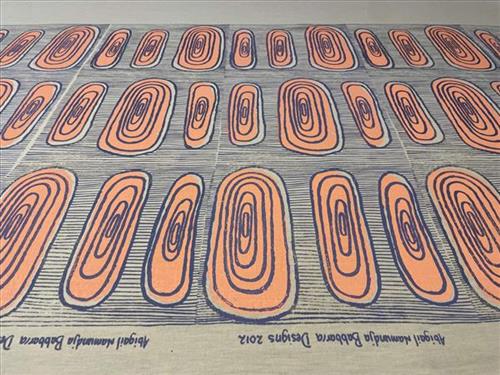
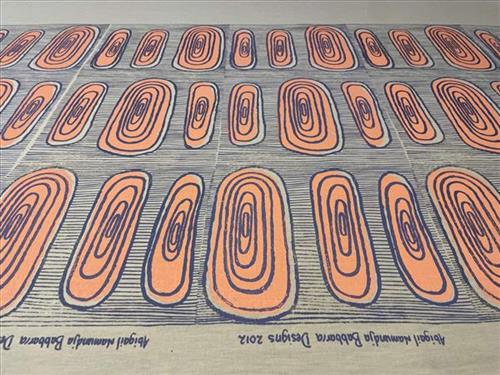
Abigail has depicted the waterholes or Kunwardde dja Kunronj (Sacred Rocks and Billabong) that lie on the plains near Mankorlod, the country for which she is a traditional owner.

The waterholes remain wet throughout the year, even during dry season. This site is connected to the artist’s djang (dreaming), the ngalng (freshwater yabbie) and stone country. Mankorlod homeland is a three-hour drive from Maningrida in the kunwardde (stone country).

377810582132161


Kunwardde dja Kunronj

Abigail has depicted the waterholes or Kunwardde dja Kunronj (Sacred Rocks and Billabong) that lie on the plains near Mankorlod, the country for which she is a traditional owner.

The waterholes remain wet throughout the year, even during dry season. This site is connected to the artist’s djang (dreaming), the ngalng (freshwater yabbie) and stone country. Mankorlod homeland is a three-hour drive from Maningrida in the kunwardde (stone country).

377810582132160


Kunwardde dja Kunronj

Abigail has depicted the waterholes or Kunwardde dja Kunronj (Sacred Rocks and Billabong) that lie on the plains near Mankorlod, the country for which she is a traditional owner.

The waterholes remain wet throughout the year, even during dry season. This site is connected to the artist’s djang (dreaming), the ngalng (freshwater yabbie) and stone country. Mankorlod homeland is a three-hour drive from Maningrida in the kunwardde (stone country).

377810582132159


Kunwardde dja Kunronj

Abigail has depicted the waterholes or Kunwardde dja Kunronj (Sacred Rocks and Billabong) that lie on the plains near Mankorlod, the country for which she is a traditional owner.

The waterholes remain wet throughout the year, even during dry season. This site is connected to the artist’s djang (dreaming), the ngalng (freshwater yabbie) and stone country. Mankorlod homeland is a three-hour drive from Maningrida in the kunwardde (stone country).

377810582132153


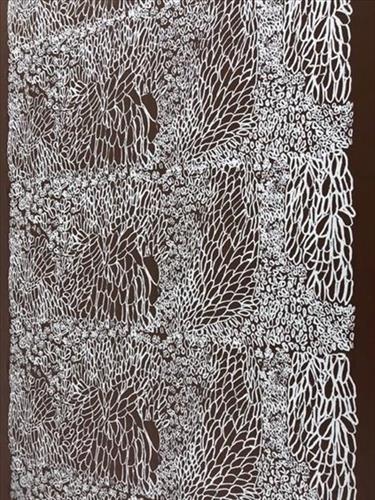
Kunkih (Mud Ripples)

This design depicts the patterns of the freshwater mud ripples, which emerge after strong monsoonal wet seasons on the Djinkarr and Nangak flood plains.

These ripples form on the earth’s surface in delicate repetitive and shifting patterns. The mud ripples move, crack, disappear and re-emerge in response to the changing wind, rains and new sun.

The mud ripples depicted in this design are on Elizabeth’s homeland, the Djinkarr and Nangak floodplains south of Maningrida in Arnhem Land.