377810582184567


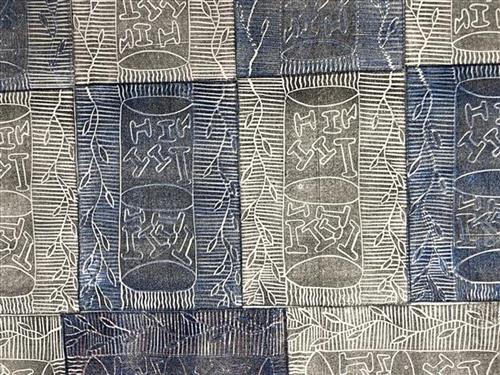
Lorrkon

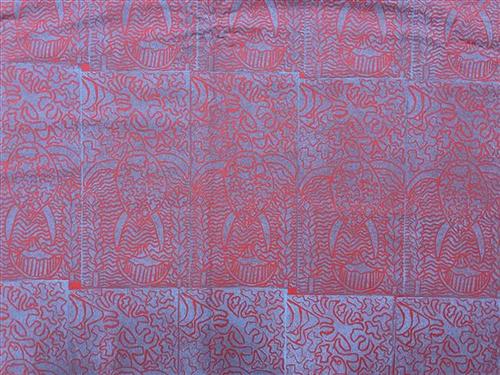
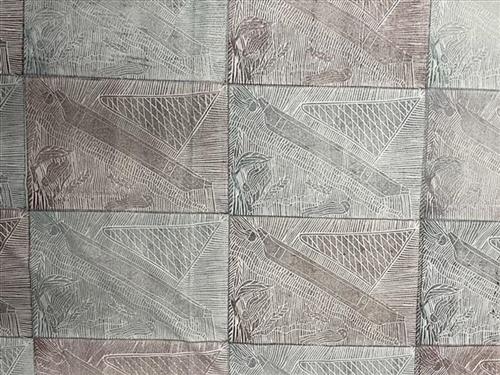
‘This is my new lino design, a long time ago when people passed away they used to put bones inside the lorrkon (hollow funeral log). This is an old history story. There is string and feathers on the side, that’s kunyarl. They put parrot feathers on the djerrh (dilly bag).

When I design lino, I think back to stories from when I was a little girl when I was staying at Barrihdjowkkeng next to Mumeka, with my mother and my father when he was still alive. I remember my dad used to make mimih, carrying all the wood. I used to help him when I was a little girl.’

Raylene Bonson

377810582184565


Garriwa (Sea Turtle)

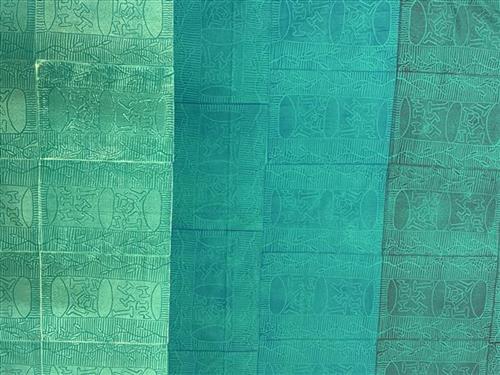
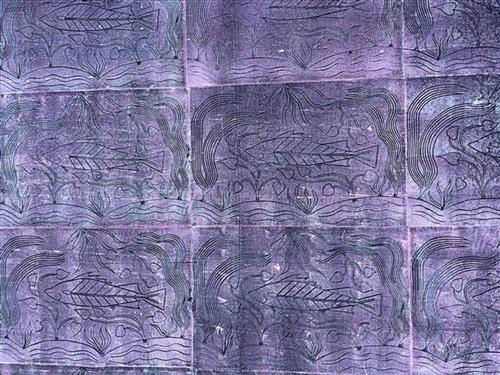
A detailed lino print design depicting a sea turtle surrounded by sea shells.

Elizabeth is from the Burrarra language group and her homeland is Gupanga, Arnhem Land.  

377810582184547


Lorrkon

‘This is my new lino design, a long time ago when people passed away they used to put bones inside the lorrkon (hollow funeral log). This is an old history story. There is string and feathers on the side, that’s kunyarl. They put parrot feathers on the djerrh (dilly bag).

When I design lino, I think back to stories from when I was a little girl when I was staying at Barrihdjowkkeng next to Mumeka, with my mother and my father when he was still alive. I remember my dad used to make mimih, carrying all the wood. I used to help him when I was a little girl.’

Raylene Bonson
377810582184539


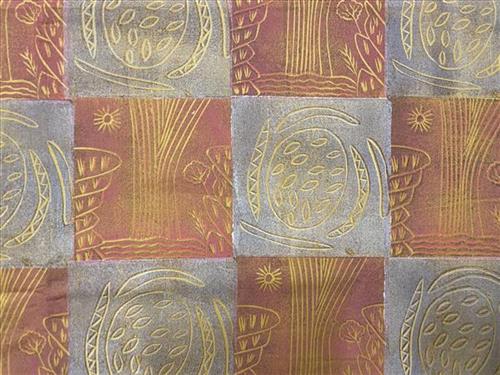
Barnkabarra (Mud Crabs)

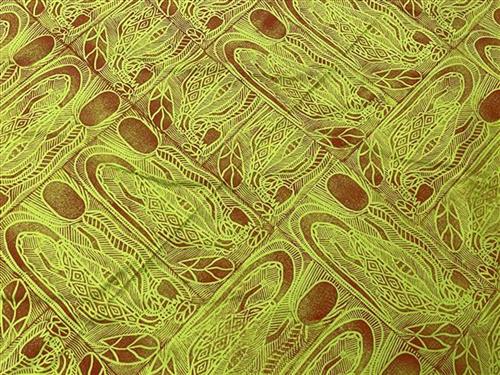
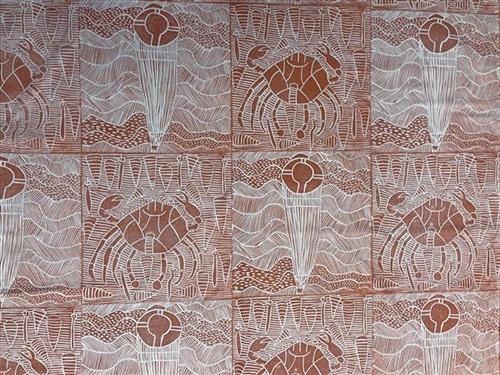
This design tells the story of Elizabeth’s homeland – a dreaming place, a good dreaming place with plenty of Barnkabarra (Mud Crabs). Elizabeth’s homeland lies east of Maningrida, at the mouth of Blyth river. This country is known for a large spiritual mud crab, which lives in the area.

Many families go and collect crabs to eat there with long sticks, or collect directly from the shores. Mud crabs hide in the muddy bottoms of estuaries and mangrove forests in areas surrounding Maningrida. After a king tide, a large cyclical tide which bring the crabs out from the mangroves, it is a good time to find crabs.

Barnkabarra (mud crabs) in Kuninjku language, or Rrugurrgurda (mud crabs) in the Burarra language, are good baladji (bush food in Burarra) and can be caught all year round. They are put on the fire to cook and they are ready when they turn a bright orange colour.

111982184532


Lorrkon (Hollow Log)

The Lorrkon or bone pole coffin ceremony was the final ceremony in a sequence of mortuary rituals celebrated by the people of Arnhem Land. This ceremony involves the placing of the deceased’s bones into a hollow log which was decorated with painted clan designs and ceremonially placed into the ground where it remained until it slowly decayed over many years.

The log is made from a termite hollowed Stringybark tree (Eucalyptus tetradonta) and is decorated with totemic emblems. The western Arnhem Land version of the Lorrkon ceremony involves the singing of sacred songs to the accompaniment of karlikarli, a pair of sacred boomerangs used as rhythm instruments. During the final evening of the ceremony, dancers decorate themselves with kapok down, or today, cotton wool and conduct much of the final segments of the ceremony in the secrecy of a restricted mens’ camp. The complete ceremony may stretch over a period of two weeks, but on the last night the bones of the deceased, which have been kept in a bark container or today wrapped in cloth and kept in a suitcase are taken out, are painted with red ochre and placed inside the hollow log. This ceremony may take place many years after the person has died.

At first light on the final morning of the Lorrkon ceremony, the men appear, coming out of their secret bush camp carrying the pole towards the women’s camp. The two groups call to each other using distinct ceremonial calls. The women have prepared a hole for the pole to be placed into and when it is stood upright, women in particular kinship relationships to the deceased dance around the pole in a jumping/shuffling motion. The Lorrkon is then often covered with a tarpaulin and left to slowly decay.