225682259432


Baral – Tracks

Our bubu (country) is like a storybook.  Baral (tracks) tell you what animal is travelling around. Some of the tracks we see are from the kurriyala (snake), walkarr (lizard) and kadar (wallaby). We can track the animals we hunt by following their tracks. The waybala (whitefella) has bought new tracks into our country, shoes and mudaka (motorcar) and plenty of bulki (cattle).

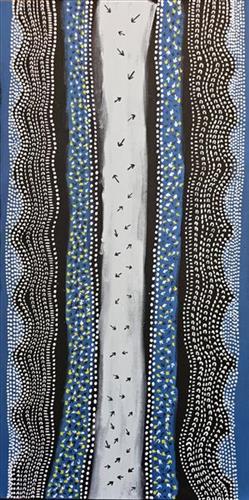
I’m painting the bird and animal tracks you find on the beach.  You can see them going this way and that way.  Everywhere!

377810582259410


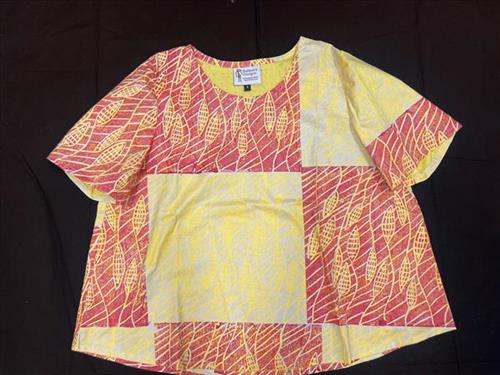
Karrbarda (Long Yam)

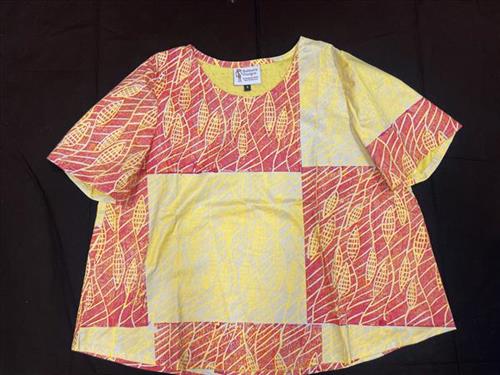
“This design is about collecting karrbarda (yams). The old people use these kungarrndutj (digging sticks) to dig the yams from under the ground. They carry the kunmatj (dilly bags) on their heads for collecting bush food. These yams are purple on the saltwater side of country and inland they are white.” – Deborah Wurrkidj

Deborah Wurrkidj is a Kuninjku artist from the Kurulk clan whose country lies around the outstation of Mumeka in central Arnhem Land. In this design, she has depicted Kun-madj (dilly bag) and karrbarda (long yam). Women dig up long yams with kungarrndutj (digging sticks) and they are then cooked in the ashes of the fire to be eaten.

Kun-madj, or dilly bag, is a large woven collecting basket. These large bags are often made from the vine ‘Malasia scandens’, a strong pliable plant that grows along the floor and into the canopy of monsoon vine thickets. The bags are used to collect heavy foods, such as fish caught in conical fish traps or large collections of yams. They can also be made from Pandanus spiralis, a plant that grows in many areas of Arnhem Land.
377810582259409


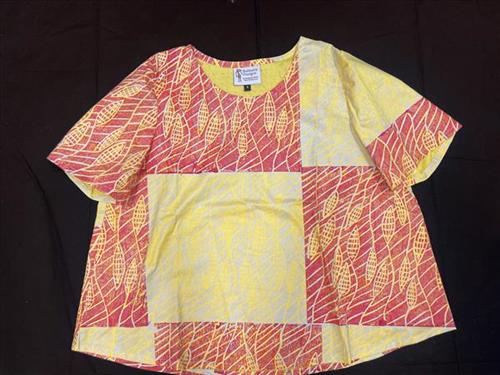
Karrbarda (Long Yam)

“This design is about collecting karrbarda (yams). The old people use these kungarrndutj (digging sticks) to dig the yams from under the ground. They carry the kunmatj (dilly bags) on their heads for collecting bush food. These yams are purple on the saltwater side of country and inland they are white.” – Deborah Wurrkidj

Deborah Wurrkidj is a Kuninjku artist from the Kurulk clan whose country lies around the outstation of Mumeka in central Arnhem Land. In this design, she has depicted Kun-madj (dilly bag) and karrbarda (long yam). Women dig up long yams with kungarrndutj (digging sticks) and they are then cooked in the ashes of the fire to be eaten.

Kun-madj, or dilly bag, is a large woven collecting basket. These large bags are often made from the vine ‘Malasia scandens’, a strong pliable plant that grows along the floor and into the canopy of monsoon vine thickets. The bags are used to collect heavy foods, such as fish caught in conical fish traps or large collections of yams. They can also be made from Pandanus spiralis, a plant that grows in many areas of Arnhem Land.

377810582259408


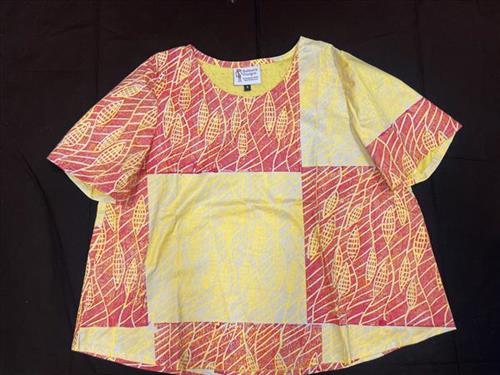
Karrbarda (Long Yam)

“This design is about collecting karrbarda (yams). The old people use these kungarrndutj (digging sticks) to dig the yams from under the ground. They carry the kunmatj (dilly bags) on their heads for collecting bush food. These yams are purple on the saltwater side of country and inland they are white.” – Deborah Wurrkidj

Deborah Wurrkidj is a Kuninjku artist from the Kurulk clan whose country lies around the outstation of Mumeka in central Arnhem Land. In this design, she has depicted Kun-madj (dilly bag) and karrbarda (long yam). Women dig up long yams with kungarrndutj (digging sticks) and they are then cooked in the ashes of the fire to be eaten.

Kun-madj, or dilly bag, is a large woven collecting basket. These large bags are often made from the vine ‘Malasia scandens’, a strong pliable plant that grows along the floor and into the canopy of monsoon vine thickets. The bags are used to collect heavy foods, such as fish caught in conical fish traps or large collections of yams. They can also be made from Pandanus spiralis, a plant that grows in many areas of Arnhem Land.
377810582259407


Karrbarda (Long Yam)

“This design is about collecting karrbarda (yams). The old people use these kungarrndutj (digging sticks) to dig the yams from under the ground. They carry the kunmatj (dilly bags) on their heads for collecting bush food. These yams are purple on the saltwater side of country and inland they are white.” – Deborah Wurrkidj

Deborah Wurrkidj is a Kuninjku artist from the Kurulk clan whose country lies around the outstation of Mumeka in central Arnhem Land. In this design, she has depicted Kun-madj (dilly bag) and karrbarda (long yam). Women dig up long yams with kungarrndutj (digging sticks) and they are then cooked in the ashes of the fire to be eaten.

Kun-madj, or dilly bag, is a large woven collecting basket. These large bags are often made from the vine ‘Malasia scandens’, a strong pliable plant that grows along the floor and into the canopy of monsoon vine thickets. The bags are used to collect heavy foods, such as fish caught in conical fish traps or large collections of yams. They can also be made from Pandanus spiralis, a plant that grows in many areas of Arnhem Land.

359709482259351


Net dragging

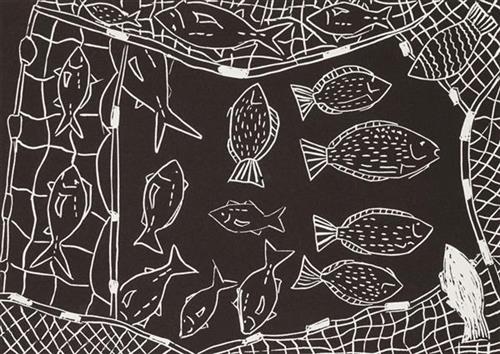
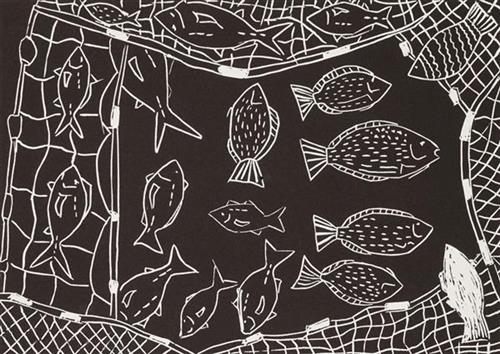
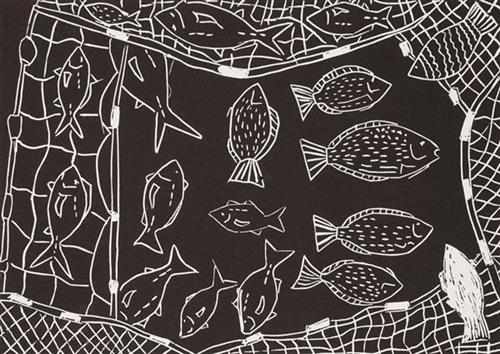
As a kid I used to follow my granddads and uncles every time they go down tp the beach to drag net. The best time to drag net is when the tide is coming up and quickly goes back down perfect bites for white fish (Gaigai) and Azum schools usually get dragged in the net aswell.

359709482259349


Net dragging

As a kid I used to follow my granddads and uncles every time they go down tp the beach to drag net. The best time to drag net is when the tide is coming up and quickly goes back down perfect bites for white fish (Gaigai) and Azum schools usually get dragged in the net aswell.

359709482259348


Net dragging

As a kid I used to follow my granddads and uncles every time they go down tp the beach to drag net. The best time to drag net is when the tide is coming up and quickly goes back down perfect bites for white fish (Gaigai) and Azum schools usually get dragged in the net aswell.

359709482259347


Net dragging

As a kid I used to follow my granddads and uncles every time they go down tp the beach to drag net. The best time to drag net is when the tide is coming up and quickly goes back down perfect bites for white fish (Gaigai) and Azum schools usually get dragged in the net aswell.

359709482259346


Net dragging

As a kid I used to follow my granddads and uncles every time they go down tp the beach to drag net. The best time to drag net is when the tide is coming up and quickly goes back down perfect bites for white fish (Gaigai) and Azum schools usually get dragged in the net aswell.