225182103644


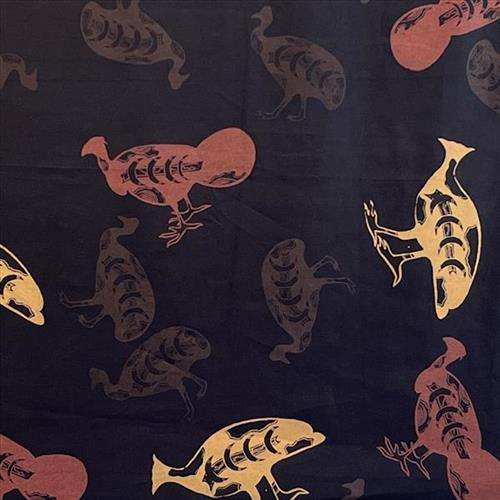
Diwan (Scrub Turkey)

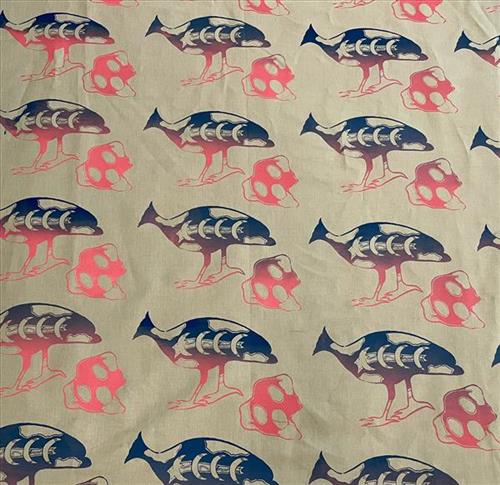
In Kuku Yalanji language we call scrub turkey ‘Diwan’. When I was a young man I used to take my sons out hunting Diwan in the rainforest. We used to hunt them with a spear and cook them traditionally over an open fire. Diwan tastes very similar to chicken but has much more flavour.

225182145530


Ngangkin (Echidna)

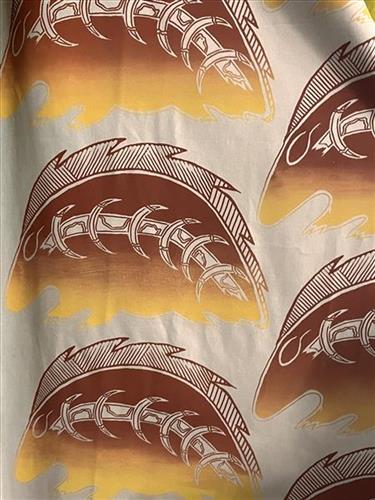
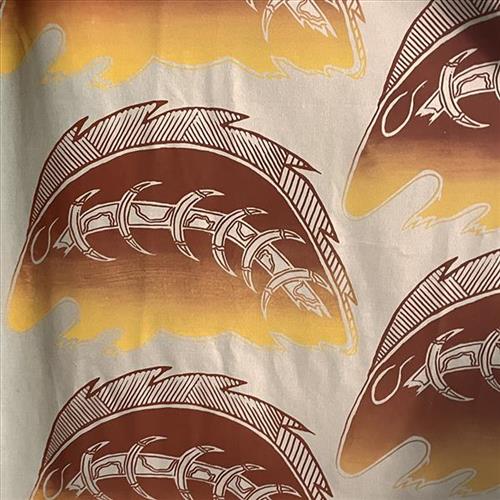
Long time ago our ancestors used to hunt echidnas for their meat and fat. The fat was used as bush medicine. They rubbed it onto sore muscles to relieve pain. 

The echidna also appears as part of a rock formation on one of the high mountains  of Manjal Dimbi (Mossman Gorge). The rock formation represents a number of significant Ancestral Beings in their animal form and Kubirri, a man who came to help Kuku Yalanji when they were persecuted by the evil spirit, Wurrumbu.

225182145518


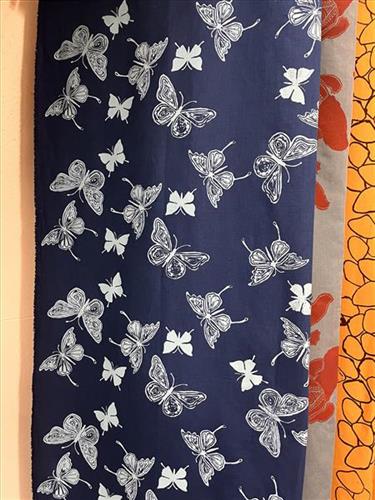
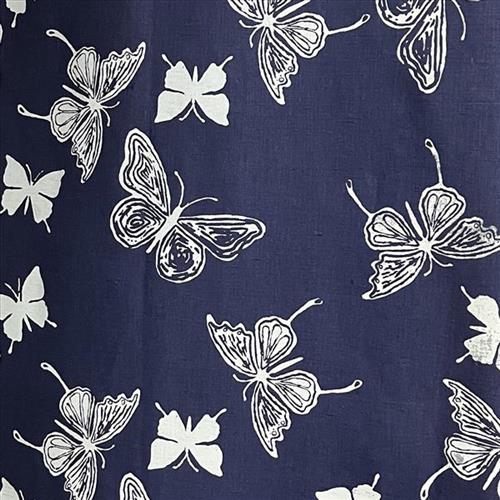
Walbul Walbul (Butterflies)

Butterflies in the rainforest are different colours, shapes and sizes. When they start to fly around you, that’s when a visitor is coming to visit you, someone whom you haven’t seen for a long time.

225182154248


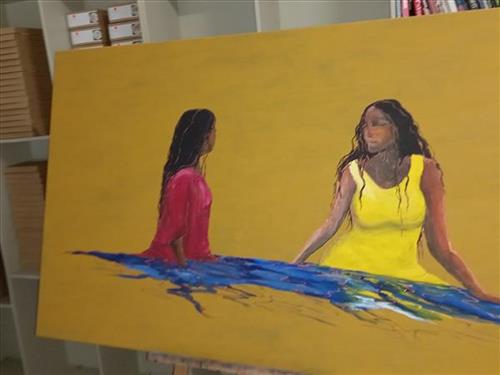
Mukirr Dance on yellow back ground

Mukirr dance is about is about when I would go with my mum, aunties and other family to the Daintree River to find mussel shells. Using our feet on the river bed, we would feel where the mussel shells were. Once we located them we would dive and collect the shells and put them in our dresses or shirts to hold. Once our dresses were full, we would swim to the bank and off-load to another family member to get them ready to eat by putting them on the fire. When the ladies were feeling with their feet, it would look like they were dancing in the water. Mukirr means mussels, that’s why this artwork is called Mukirr Dance. The Mukirr dance to me represents my mother, aunties and older cousins as well as many Yalanji women of the past because this was a part of bama life. Today, some ladies still collect mussel shells up in the shallow area of the Daintree River.         
225182154538


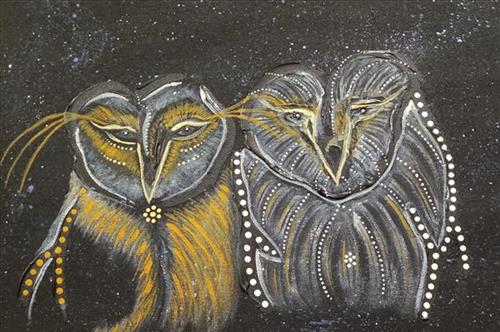
Owl Sisters

Long ago back in the dreamtime these two ancestral being called “Tiddas” Owl Sisters, came down to the Buruwarra People within the Kuku Yalanji Nation. They would come once a year to teach wisdom, knowledge of the old ways. Restoring dance, songs, customs and tradition. Keeping culture & Lore strong for generational Bama. Winter are their strongest season.

225182167750


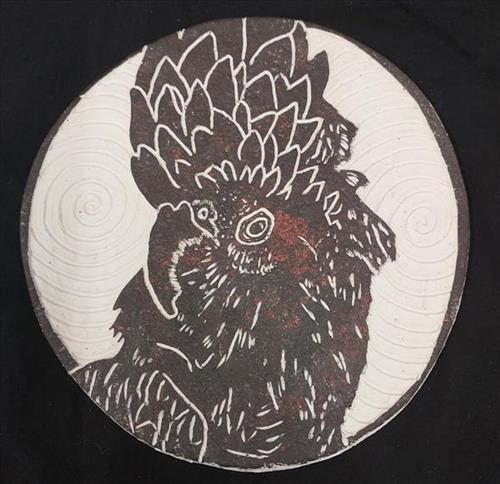
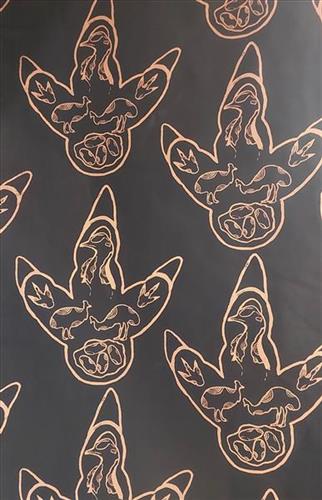
Tile (VC) Kadanji (Black Cockatoo)

Kadanji (Black Cockatoo) is my mother’s mother’s totem from the Kuku Nyungkul clan. It has been handed down from generation to generation.

225182171770


Murrugu (Family)

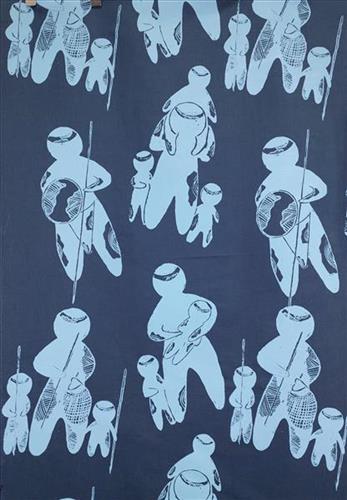
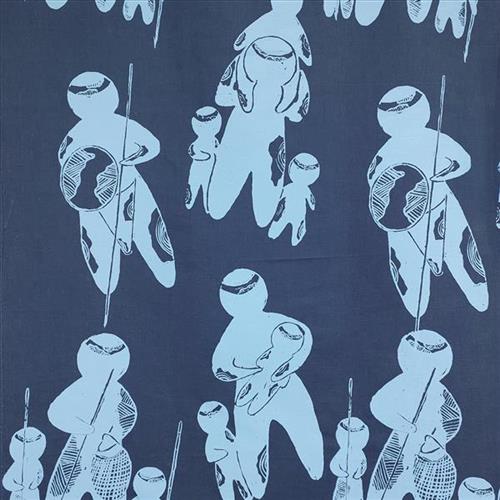
Family is very important to me. Whenever I draw my family design in clay, on fabric or on paper, it makes me think about the many good experiences I had when growing up. I enjoyed being out on country, going hunting and fishing, collecting plant foods and camping. I also have fond memories of listening to traditional music and learning our cultural dances.  My family design keeps all these personal memories alive like a flame, and like my ancestors before me, I try to create similar happy times with my children and grandchildren.

225182171749


Diwan (Scrub Turkey)

In Kuku Yalanji language we call scrub turkey ‘Diwan’. When I was a young man I used to take my sons out hunting Diwan in the rainforest. We used to hunt them with a spear and cook them traditionally over an open fire. Diwan tastes very similar to chicken but has much more flavour.

225182171766


Kurranji (Cassowary)

The cassowary is my totem. My mother’s sister handed it down to me when I was a young boy. I perform the cassowary dance in public ceremonies. As a young men, I was part of the Yalanji Dance group and was invited to Hong Kong to perform our traditional dance cycles including the cassowary dance.