225182285172


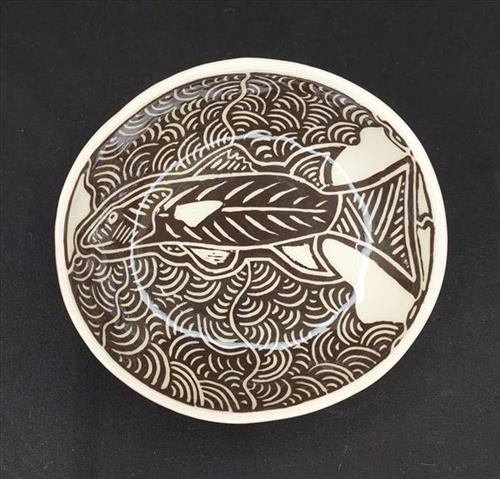
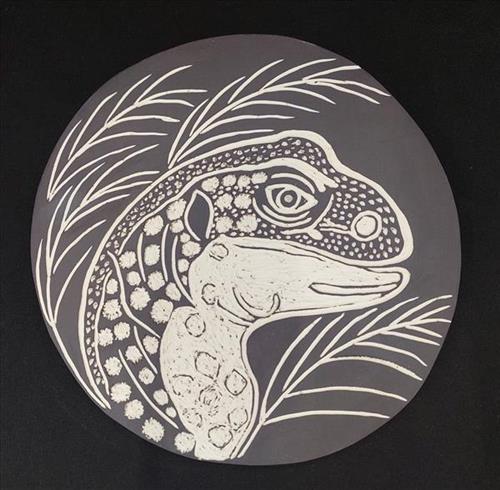
Walkarr (Bush Goanna)

Walkar (Bush Goanna) is found in eastern and western Yalanji land both in rainforest country and inland plains. Walkarr was an important food source to our Kuku Yalanji ancestors. Goannas are great tree climbers and sometimes hard to catch.
Walkarr was hunted with spears and brought back to prepare and cook in earth ovens or over a fire. Once it was cooked it was laid on paperbark and a mussel shell was used to scrape the outside of the skin and to cut up the meat to share. The oil from the Walkarr was also used as a liniment and to make cooking oil.

225182285171


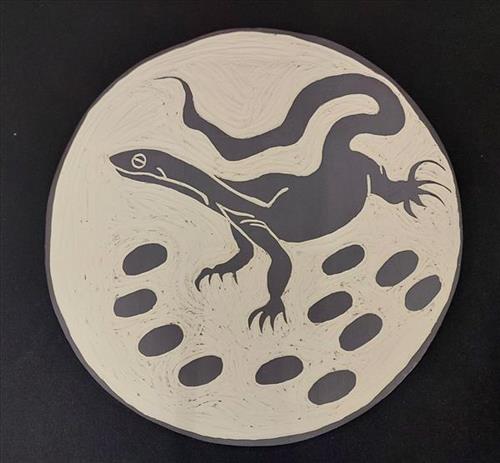
(LS): Walkarr (Bush Goanna)

Walkar (Bush Goanna) is found in eastern and western Yalanji land both in rainforest country and inland plains. Walkarr was an important food source to our Kuku Yalanji ancestors. Goannas are great tree climbers and sometimes hard to catch.
Walkarr was hunted with spears and brought back to prepare and cook in earth ovens or over a fire. Once it was cooked it was laid on paperbark and a mussel shell was used to scrape the outside of the skin and to cut up the meat to share. The oil from the Walkarr was also used as a liniment and to make cooking oil.

225182285169


Kirbaji (Dugong)

Kirbaji (Dugong) is an Ancestral Spirit Being (Totem) that I inherited it from my mother’s side.  It is my Totem. The dugong was also an important food source for my ancestors. Only men were allowed to hunt them, and only men had the right to cook and distribute the meat to all the families. My uncles and cousins showed me how to hunt dugongs and they passed down to me the cultural knowledge about them.

My ancestors used to wrap the dugong meat in ginger leaves for flavour, close the wraps with a vine and cook them in the ground oven. Dugongs were only hunted on special occasions such as births, weddings and funerals to provide food for large family gatherings.Dugong fat was also melted to make oil which was used as a medicine for skin and hair ailments or as ointment to treat an upset stomach.

221382285510


Billabong

This painting depicts multiple animals found in billabongs surrounding Beswick. Included are multiple eel tail catfish, three file snakes, a water goanna and a freshwater crocodile. Also included are two water lily plants along with their yam roots. All are gudwan dagga, or tasty tucker.

Painting has been completed using a handmade grass reed brush called Jarlk. Raark or fine line work is in Yirritja style and consists of three or four lines before alternating colour. Modern acrylic paints have been used.

115682285926


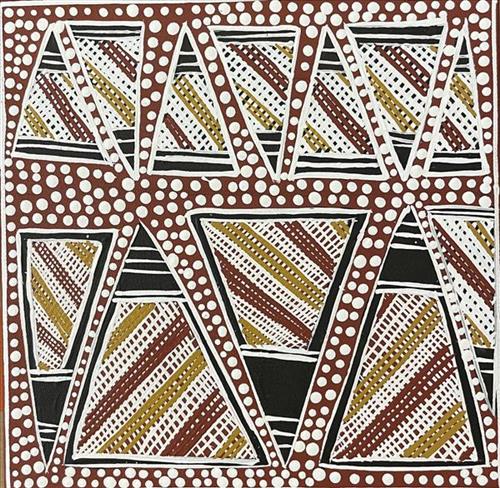
Ngambi (limestone spearheads)

This painting illustrates elements from the Wagilag Sisters’ Creation story.  Ngambi are the stone spear heads that the sisters collected at Ngilipitji on their way to Mirarrmina.

The Wagilag Sisters’ Story is primarily an account of how in the distant past the two Wagilag Sisters came out of the southern interior and came across the countryside to the Liyagalawumirr waterhole at Mirarrmina. There the younger sister profaned the pool of the great Python by accidently allowing her  blood to fall into the waterhole. Because of this the women and the children were swallowed by the Olive Python, Wititj, along with all the water from the waterhole. The other snakes heard about this and demanded Wititj spit out the sisters. Wititj vomited the women out, along with the water, creating the first monsoon rains.

225182286153


(LG): Kirbaji (Dugong)

Kirbaji (Dugong) is an Ancestral Spirit Being (Totem) that I inherited it from my mother’s side.  It is my Totem. The dugong was also an important food source for my ancestors. Only men were allowed to hunt them, and only men had the right to cook and distribute the meat to all the families. My uncles and cousins showed me how to hunt dugongs and they passed down to me the cultural knowledge about them.

My ancestors used to wrap the dugong meat in ginger leaves for flavour, close the wraps with a vine and cook them in the ground oven. Dugongs were only hunted on special occasions such as births, weddings and funerals to provide food for large family gatherings.Dugong fat was also melted to make oil which was used as a medicine for skin and hair ailments or as ointment to treat an upset stomach.

225182288165


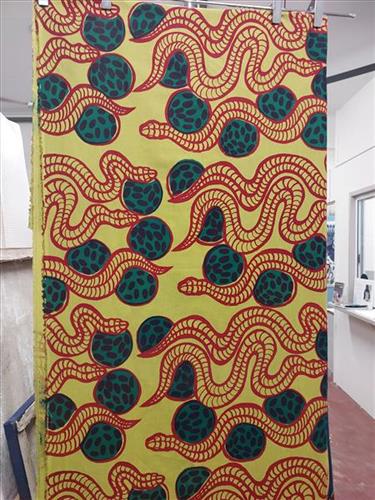
Kurriyala (Carpet Snake)

The carpet snake used to be an important food animal for our ancestors. They wrapped the meat in native ginger leaves and cooked it on the hot coals of the ground oven. They also used the skin to make head bands or skillfully sewed blankets to keep the families warm and dry at night.

The carpet snake also has spiritual significance for me.  I inherited the carpet snake Totem and related cultural knowledge from my father’s side. According to our Kuku Yalanji creation stories, the carpet snake was an Ancestral Being that travelled in its human form across the country creating waterways wherever it went, including on my father’s clan lands.

In my upbringing I was taught to respect our elders who prepared me for my future role as carrier of cultural knowledge and spiritual traditions. I was also taught the values of taking responsibility for caring for our traditional clan country and help maintain it for the younger generations so they can become strong leaders.

Art is my way of keeping the cultural knowledge of my ancestors alive and passing it down to my children and grandchildren. Sharing this body of knowledge creates strong family ties and gives me my strength.
225182288152


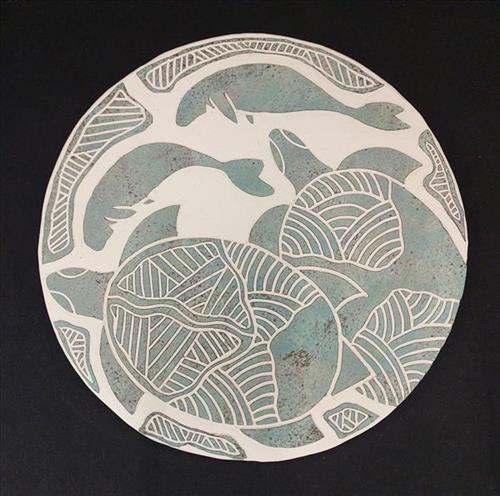
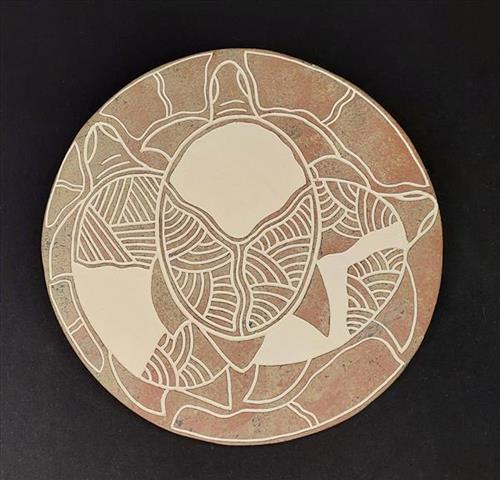
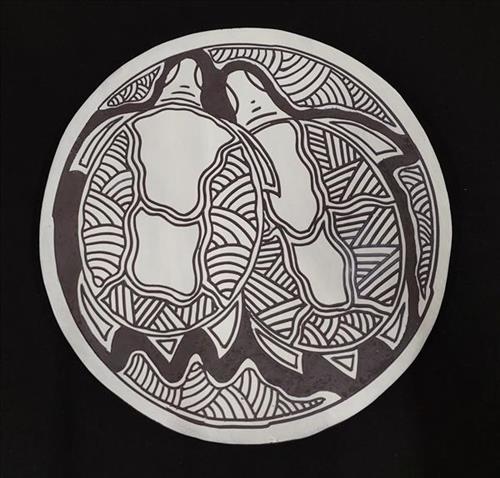
Ngawiya (Sea Turtle)

In the past, sea turtles were an important food source for Kuku Yalanji people. Only men were allowed to hunt them. The men were also responsible for cooking them in a ground oven and distributing the meat to all the families.

We ate turtle meat on special occasions such as the birth of a new born baby and during funeral ceremonies. Our ancestors used the shell of sea turtles carrying, storing and serving food as well as making damper.