225182289680
Scrub Turkey Eggs
225182289679
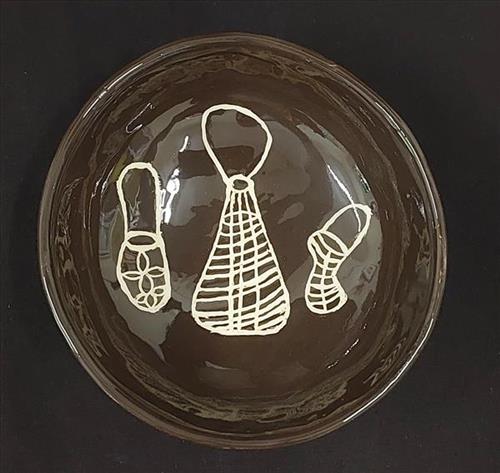
Kakan (Black Palm) Dillybag.
Our ancestors used Kakan (Black Palm) dilly bags to carry food when out hunting and gathering or soak bitter yams in creeks before cooking them. They were also used to hold personal items.
When I was a young girl my grandmother would teach me how to make Black Palm dillybags. We used to set up camp with other Kuku Yalanji women at a creek near Helenvale. It is very hard work. The men would help us cutting down the palm trees and separate the crownshaft from the trunk and the leaves. Then the women used to peel away the outer leaves until they felt strong threads they could pull out. They cleaned these threads from pulp with a mussel shell. When we moved away from Helenvale I forgot how to make them. Luckily years later I asked a relative of mine, Wilma Walker, who is great weaver, if she could refresh my memories. From then on I kept making dillybags as long as my health allowed it. I really enjoyed making them.
225182289649
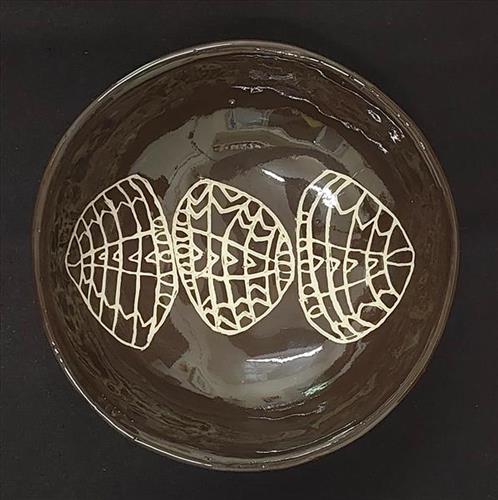
Shells
221382289735
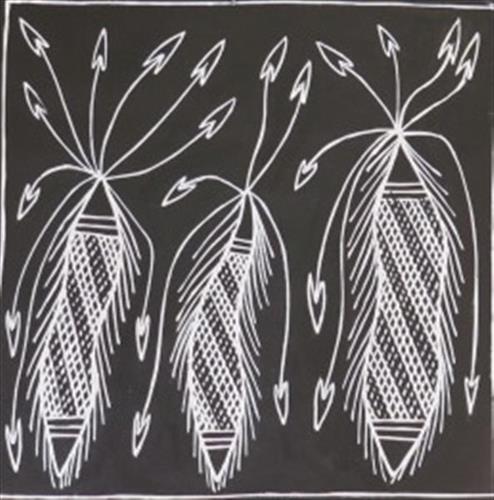
Hairy Yams
This painting depicts three bush yams, sometimes known as hairy yams. These are a prized bush tucker and one of the tastiest yams available, somewhat similar in taste to a commercially bought sweet potato.
Painting has been completed in stark contrast colours using a handmade Jarlk brush harvested from local billabongs and wet areas. Raark or fine line work is in Yirritja style, and consists of three or four lines before alternating colours.
359709482290403
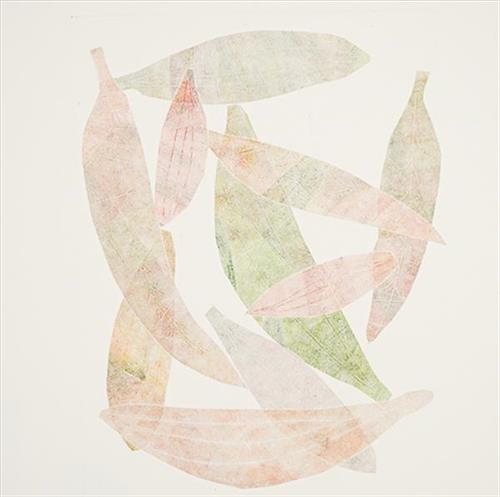
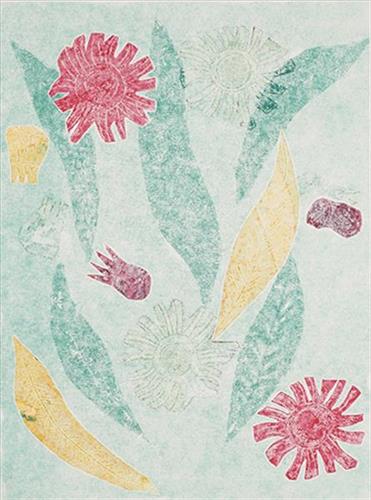
Lagau Pui V1/4
Mua Island is surrounded by nature gumtrees. Three species I’ve focused on this prints that plays as natures calendar to our mualgal people “tra-blood wood gum, “piwie”, Acacia “aragar- golden wattle. These blooms during the monsoon season indicating the abundance of trevally and garfish a hungry and a coming close to shore for a feed. Best time for women to go down to the beach to fish.
Art Centre notes:
The artwork is a ‘pochoir’ print, or monoprint, printed on BFK Rives paper
(100% cotton rag with strong archival properties).
Artist: Loretta Glanville
Printer: Dian Darmansjah
Printed: Moa Arts Studio, February 2024.
359709482290384
Pewie Pui V3/4
Did this print in memory of my eldest sister. This was from a memory of a tree that stood outside my grand uncles house “ sapu mudh”. I have witnessed true love between my sister and husband when they would sit under this tree countless time. Each year when I’d see these pewie bloom around may-march. It reminds me of the LOVE it was privilege to witness between the couples.
Art Centre notes:
The artwork is a ‘pochoir’ print, or monoprint, printed on BFK Rives paper
(100% cotton rag with strong archival properties).
Artist: Loretta Glanville
Printer: Dian Darmansjah
Printed: Moa Arts Studio, February 2024.
225182290795
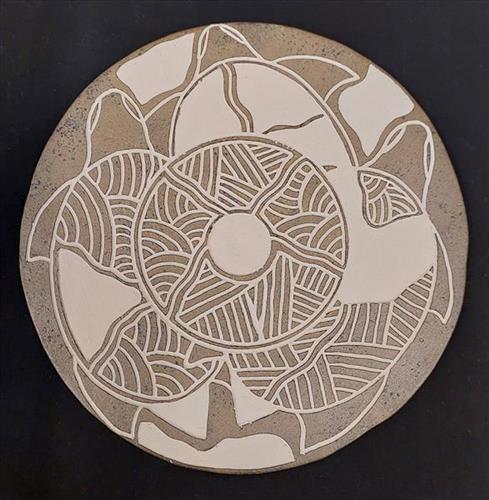
Ngawiya (Sea Turtle)
In the past, sea turtles were an important food source for Kuku Yalanji people. Only men were allowed to hunt them. The men were also responsible for cooking them in a ground oven and distributing the meat to all the families.
We ate turtle meat on special occasions such as the birth of a new born baby and during funeral ceremonies. Our ancestors used the shell of sea turtles carrying, storing and serving food as well as making damper.
225182290794
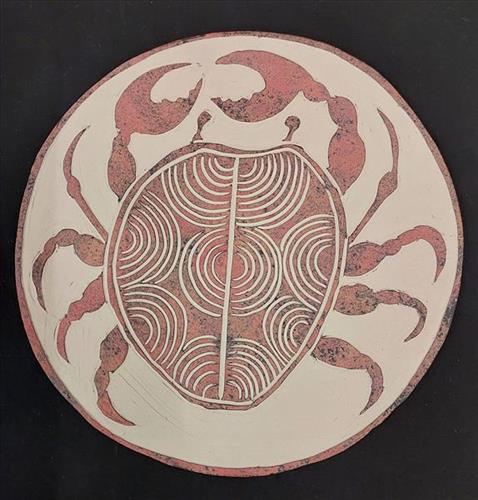
Kiju (Mud Crab)
Mud crabs are one of our favourite foods. We collect the crabs in the mangroves and share them with our families.

359709482292191
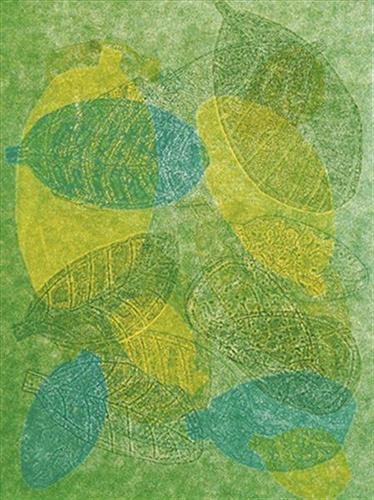
Migi abau 1 OF 1
Migi abau this print titled “mini abau” is about the fruit of the noni fruit tree and its fruits is used for. The noni fruit can be used to make hot to cold drinks and act as a remedy if you have a sore throat. You can boil the non fruit tree until it turns into a thick like consistency which you can serve hot or leave it in the fridge to cool and serve as a cool drink.
Art Centre notes: The artwork is a ‘pochoir’ print, or monoprint, printed on BFK Rives paper
100% cotton rag with strong archival properties.
Artist: Tahmana Misick
Printer: Dian Darmansjah
Printed at: Moa Arts Studio, Feb 2024