225182296791
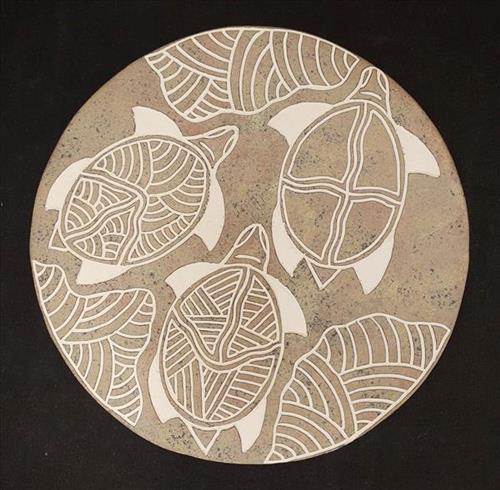
Ngawiya (Sea Turtle)
In the past, sea turtles were an important food source for Kuku Yalanji people. Only men were allowed to hunt them. The men were also responsible for cooking them in a ground oven and distributing the meat to all the families.
We ate turtle meat on special occasions such as the birth of a new born baby and during funeral ceremonies. Our ancestors used the shell of sea turtles carrying, storing and serving food as well as making damper.
225182296784
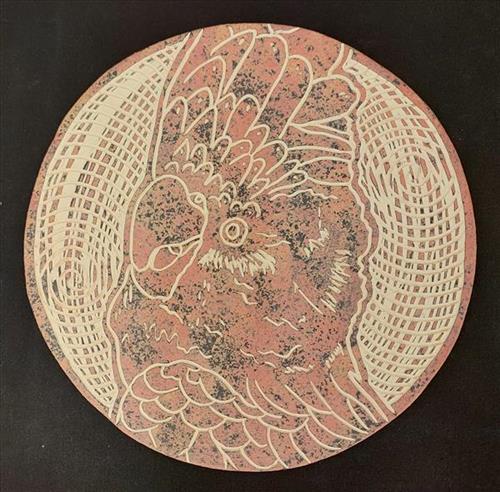
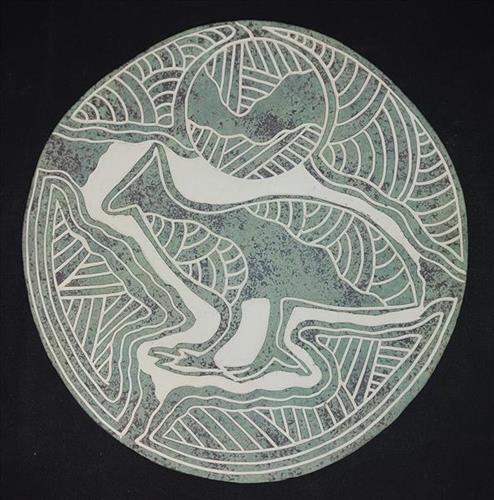
Kadanji (Black Cockatoo)
The black cockatoo is my totem. It has been passed down to me from my grandmother and her sisters, to my mum and her sisters and then it came to me and my sisters.
I use the black cockatoo often in my art not only because it is my Totem but also to thank my grandmother’s sisters (Kae Creek, Leyla Creek and Margaret Rocky). They are artists and I used to watch them when I was a young girl. This inspired me to become an artist myself.
So, the Black Cockatoo shows on a personal level how I honour to these women artists, who came before me and changed my life.
225182296750
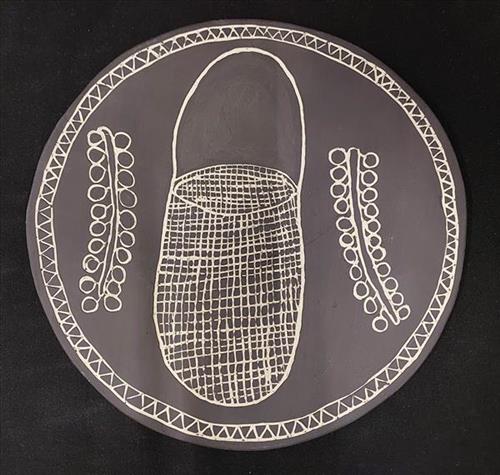
Kakan (Black Palm) Dillybag.
Our ancestors used Kakan (Black Palm) dilly bags to carry food when out hunting and gathering or soak bitter yams in creeks before cooking them. They were also used to hold personal items.
When I was a young girl my grandmother would teach me how to make Black Palm dillybags. We used to set up camp with other Kuku Yalanji women at a creek near Helenvale. It is very hard work. The men would help us cutting down the palm trees and separate the crownshaft from the trunk and the leaves. Then the women used to peel away the outer leaves until they felt strong threads they could pull out. They cleaned these threads from pulp with a mussel shell. When we moved away from Helenvale I forgot how to make them. Luckily years later I asked a relative of mine, Wilma Walker, who is great weaver, if she could refresh my memories. From then on I kept making dillybags as long as my health allowed it. I really enjoyed making them.
359709482297432

Guy stain 2 OF 3
guy coconut water is very refreshing the kaikai in the coconut is very soft and delicate. The skin can be chewed on, when chewing on the skin it turns from white to a orange staining shine. The guy stain coconut can be like a greenish to orange colour the difference between both is that the green coconut is a young guy stain coconut where the orange guy stain coconut is like a adult or ripe version of guy stain.
Art Centre notes: The artwork is a ‘pochoir’ print, or monoprint, printed on BFK Rives paper
(100% cotton rag with strong archival properties).
Artist: Louisa Savage
Printer: Dian Darmansjah
Printed: Moa Arts Studio, Feb 2024

359709482297426
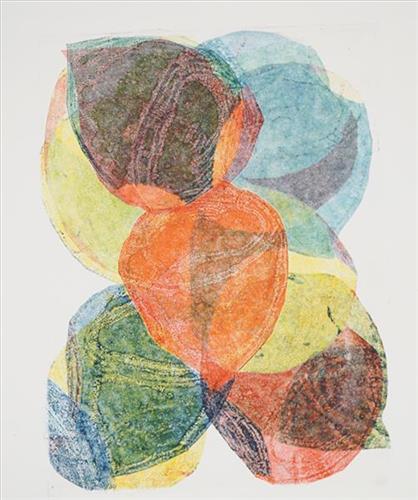
Look round poh urab 1 OF 3
look round Poh grab (coconut) meaning by going to walk down the buthu (beach) to look for crab to make wakes and as well as using the mouth (coconut skin) to burn to smoke mosquitos away.
Art Centre notes: The artwork is a ‘pochoir’ print, or monoprint, printed on BFK Rives paper
(100% cotton rag with strong archival properties).
Artist: Louisa Savage
Printer: Dian Darmansjah
Printed: Moa Arts Studio, Feb 2024
359709482297422
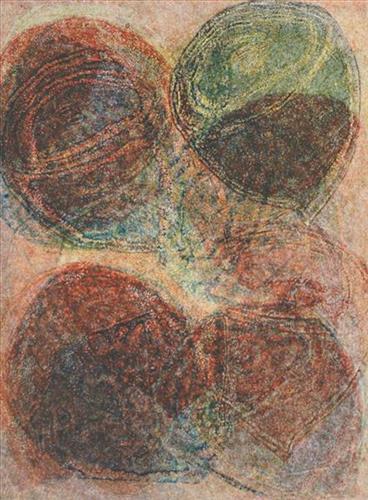
Urab 5 OF 6
Urab means coconut in language, its mostly found near the beach or depends if planted as a plant in your yard. It comes in handy now and then wether its for chasing mosquito away with the mouth (skin) or making wakes (coconut oil) leaving the leftover burnt grease to attract seafood such as squid, zaber and other sort of fishes.
359709482297420
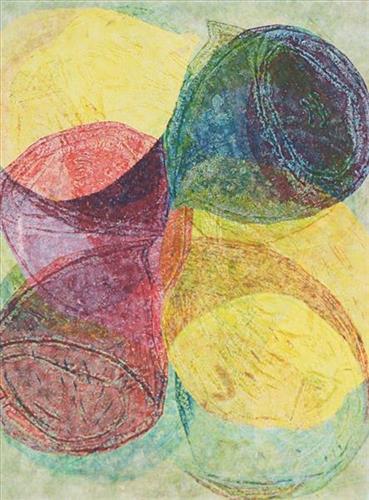
Urab 3 OF 6
Urab means coconut in language, its mostly found near the beach or depends if planted as a plant in your yard. It comes in handy now and then wether its for chasing mosquito away with the mouth (skin) or making wakes (coconut oil) leaving the leftover burnt grease to attract seafood such as squid, zaber and other sort of fishes.
359709482297417
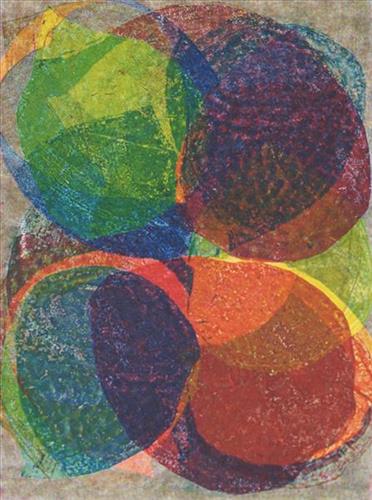
Urab 2 Of 6
Urab means coconut in language, its mostly found near the beach or depends if planted as a plant in your yard. It comes in handy now and then wether its for chasing mosquito away with the mouth (skin) or making wakes (coconut oil) leaving the leftover burnt grease to attract seafood such as squid, zaber and other sort of fishes.
225182297642
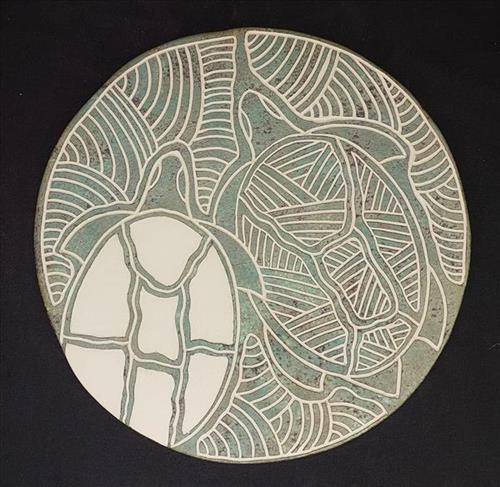
Ngawiya (Sea Turtle)
In the past, sea turtles were an important food source for Kuku Yalanji people. Only men were allowed to hunt them. The men were also responsible for cooking them in a ground oven and distributing the meat to all the families.
We ate turtle meat on special occasions such as the birth of a new born baby and during funeral ceremonies. Our ancestors used the shell of sea turtles carrying, storing and serving food as well as making damper.