225182299236


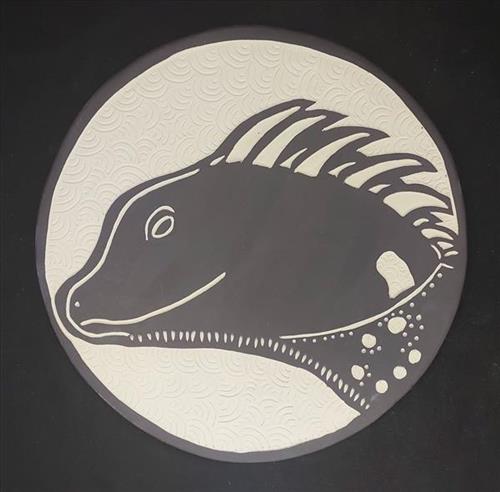
Jalbil (Boyd’s Rainforest Dragon)

Jalbil, the rainforest dragon, is a small and gentle lizard that feeds on insects. It is very hard to see in the rainforest because it takes on the colour and patterns of the environment. The male dragons are very colourful. Jalbil are spiritual messenger for Kuku Yalanji that bring us and our families good luck. We also use Jalbil as mascot for our local football team.

225182299235


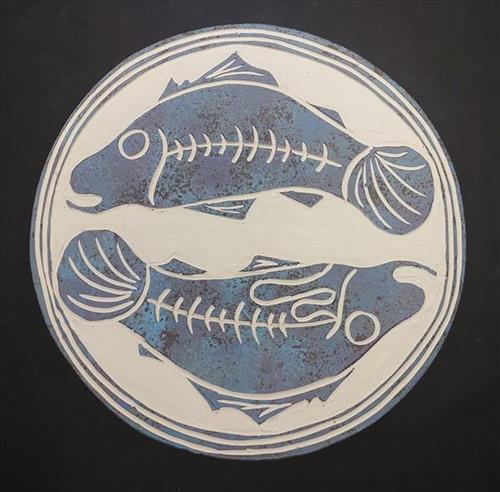
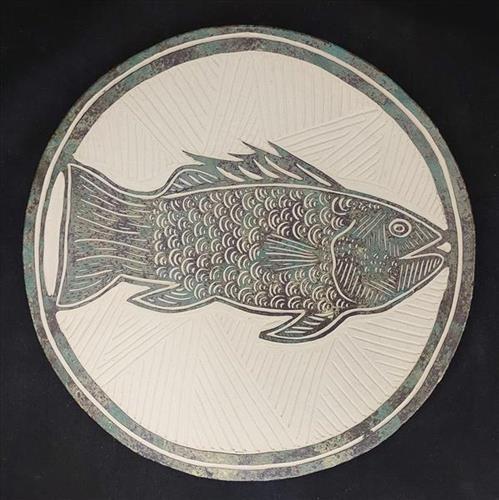
Kudi (Barramundi)

Kudi (Barramundi) is of great cultural importance for our Kuku Yalanji families. It is a major food source for us. We hunt them when they are fat. Kudi (Barramundi) is also one of a group of totem names that our elders give to a newborn child of the younger generation. A child who receives, for example,  Kudi (Barramundi), as a totem name will be protected by the barramundi’s spirit their entire life.

225182299227


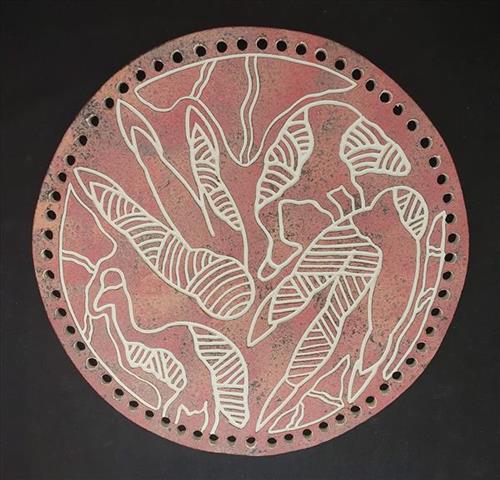
Kurranji (Cassowary)

The cassowary is my totem. My mother’s sister handed it down to me when I was a young boy. I perform the cassowary dance in public ceremonies. As a young men, I was part of the Yalanji Dance group and was invited to Hong Kong to perform our traditional dance cycles including the cassowary dance.


225182299220


Ngawiya (Sea Turtle)

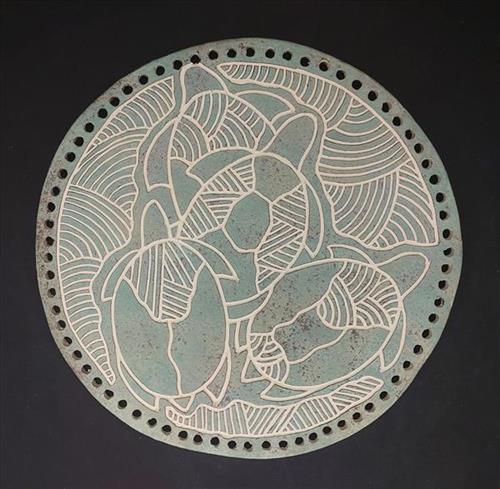
In the past, sea turtles were an important food source for Kuku Yalanji people. Only men were allowed to hunt them. The men were also responsible for cooking them in a ground oven and distributing the meat to all the families.

We ate turtle meat on special occasions such as the birth of a new born baby and during funeral ceremonies. Our ancestors used the shell of sea turtles carrying, storing and serving food as well as making damper.

225182299094


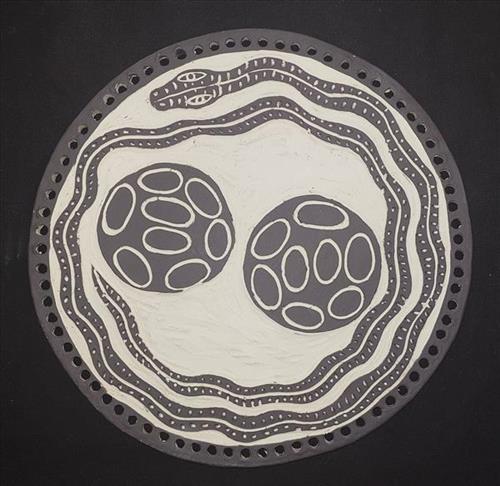
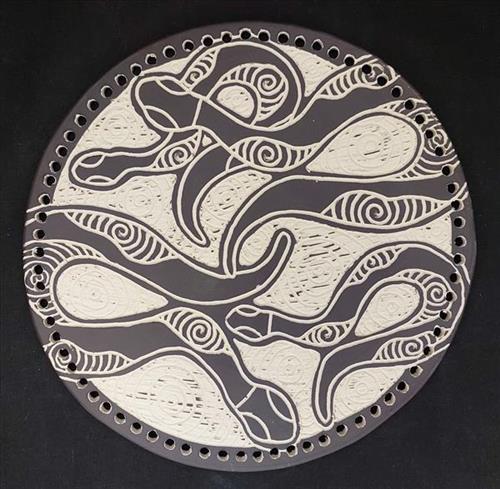
Kurriyala (Carpet Snake)

The carpet snake used to be an important food animal for our ancestors. They wrapped the meat in native ginger leaves and cooked it on the hot coals of the ground oven. They also used the skin to make head bands or skillfully sewed blankets to keep the families warm and dry at night.

The carpet snake also has spiritual significance for me.  I inherited the carpet snake Totem and related cultural knowledge from my father’s side. According to our Kuku Yalanji creation stories, the carpet snake was an Ancestral Being that travelled in its human form across the country creating waterways wherever it went, including on my father’s clan lands.

In my upbringing I was taught to respect our elders who prepared me for my future role as carrier of cultural knowledge and spiritual traditions. I was also taught the values of taking responsibility for caring for our traditional clan country and help maintain it for the younger generations so they can become strong leaders.

Art is my way of keeping the cultural knowledge of my ancestors alive and passing it down to my children and grandchildren. Sharing this body of knowledge creates strong family ties and gives me my strength.

1882299422


Nyayartakujarra (Ngayarta Kujarra, Lake Dora)

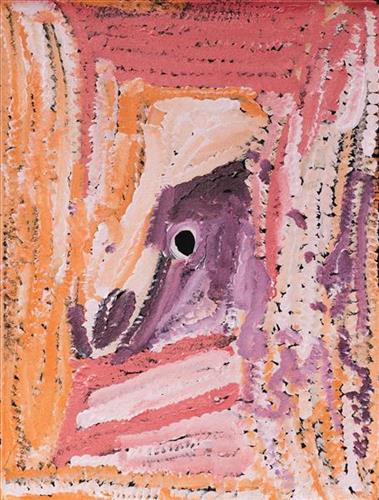
“This painting shows Nyayartakujarra (Lake Dora) and the waterholes. In pujiman (traditional, desert dwelling) days we all walked from waterhole to waterhole. We were travelling around for a long time; we were all naked! We grew up walking all around these waterholes. This painting is a map from that time. All of these waterholes are still here, with all of the songs and all of the dances. We are still singing and dancing for this Country.”  – Mantararr (Muntararr) Rosie Williams (dec.), Jakayu Biljabu, Yikartu Bumba, Nyanjilpayi (Ngarnjapayi) Nancy Chapman, Mulyatingki Marney, Mayiwalku May Chapman, and Reena Rogers Nyayartakujarra is a vast and culturally significant salt lake located in the north east section of the Karlamilyi River region. Surrounding Nyayartakujarra are numerous fresh water soaks and the red tali (sandhills) typical of the area. Punmu Aboriginal Community, where Nyanjilpayi lives today, lies on the eastern edge of the lake. Nyayartakujarra lies within Nyanjilpayi’s ngurra (home Country, camp), the area which she knew intimately and travelled extensively with her family in her youth.  Nyayartakujarra is an important site in the Jila Kujarra (Two Snakes) Jukurrpa (Dreaming) narrative. Though the story belongs to Warnman people, it is shared across the Western Desert with several other language groups. The narrative centres on the travels of two snakes as they are pursued by the Niminjarra, spiritual ancestors of the Warnman people. Before transforming themselves into snakes, the Jila Kujarra were young brothers. As snakes, they began travelling home to their mother, but were intercepted by the Niminjarra, who tracked the Jila Kujarra to Paji, east of Nyayartakujarra. Here they eluded the Niminjarra, but the Jila Kujarra were soon after speared and injured at Nyayartakujarra by two Pukurti (initiates with bundled hair), who returned with the Niminjarra to cook the snakes at the site of Kumpupirntily (Kumpupintily, Lake Disappointment). As the Niminjarra cut down the length of the Jila Kujarra, the snake’s bladders were pierced, causing an explosion of scalding hot urine in which the Niminjarra all perished and became black rocks at the site. At the same time, the urine of the Jila Kujarra formed the lake at Kumpupirntily, which translates to ‘bladder burst’. The spirits of the Jila Kujarra returned to their mother at Nyayartakujarra, where the mother and her sons entered the ground below the lake and remain to this day.
225182300368


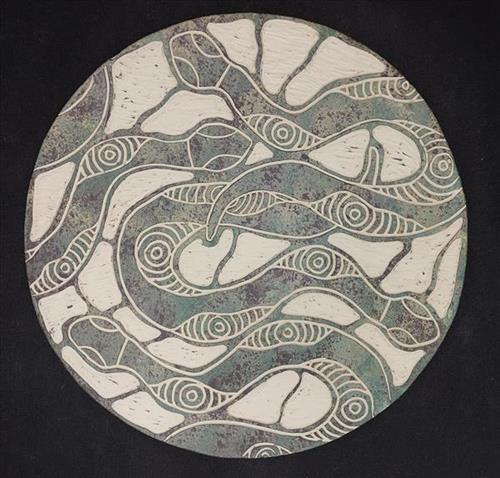
Kurriyala (Carpet Snake)

The carpet snake used to be an important food animal for our ancestors. They wrapped the meat in native ginger leaves and cooked it on the hot coals of the ground oven. They also used the skin to make head bands or skillfully sewed blankets to keep the families warm and dry at night.

The carpet snake also has spiritual significance for me.  I inherited the carpet snake Totem and related cultural knowledge from my father’s side. According to our Kuku Yalanji creation stories, the carpet snake was an Ancestral Being that travelled in its human form across the country creating waterways wherever it went, including on my father’s clan lands.

In my upbringing I was taught to respect our elders who prepared me for my future role as carrier of cultural knowledge and spiritual traditions. I was also taught the values of taking responsibility for caring for our traditional clan country and help maintain it for the younger generations so they can become strong leaders.

Art is my way of keeping the cultural knowledge of my ancestors alive and passing it down to my children and grandchildren. Sharing this body of knowledge creates strong family ties and gives me my strength.