222082305500


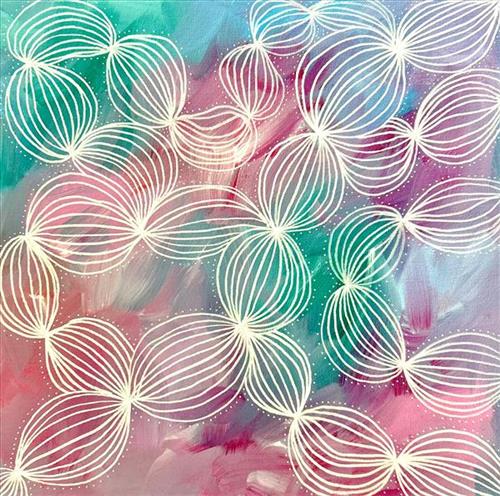
The Warmth

This painting is artwork one is a set of three. this set represents the roots of culture and different emotions and personality traits of each individual. This piece is “The Warmth” representing a personality that is loving, kind, sympathetic, joyful, optimistic, protective, and encouraging. These emotions and personality traits are shown through the soft, pastel colours that were used: pink, pastel teal, and light purple.

359709482305499


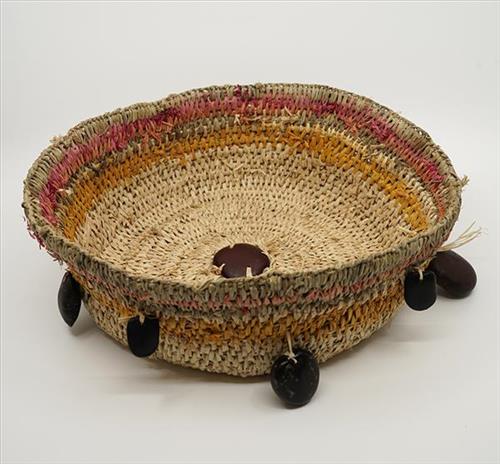
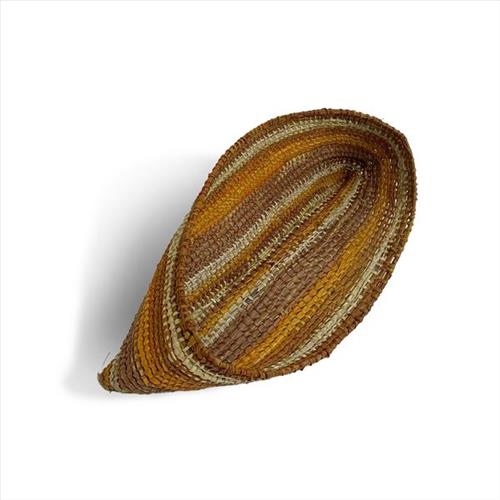
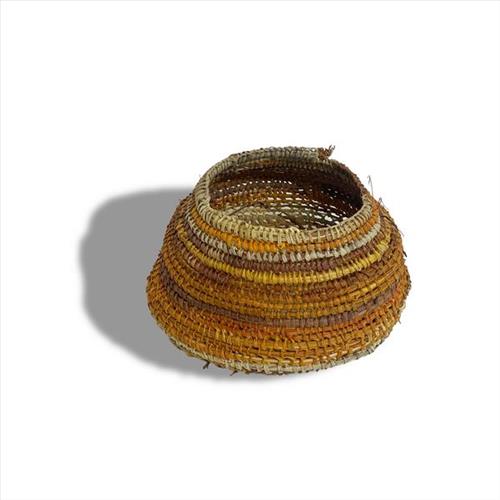
Buthu Basket

Walkbout lor buthu, picking up kulap along the buthu shorelines. lurking ubder beached dry seagrass what was washed up onto the beach.


Art Centre notes: 

The basket is made of natural raffia / jute / sea chord /  kulap seeds.

It is made using a traditional ‘one twist’ method.

The dyes are commercial and colour fast. 

Size of bowl:  31cm x 10cm

222082305495


Buri

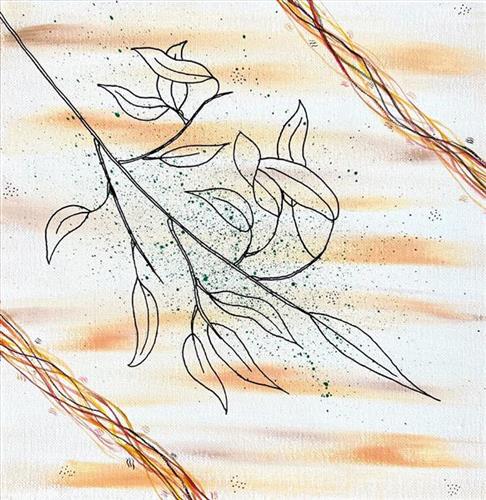
This painting represents the earthly element of fire or “Buri” the word for fire in Yidiny language. This piece sends the message that despite facing danger or troubles in our lives we can continue to stay strong and learn from our past mistakes. In this piece I have used line work on the corners of the canvas to represent fire and troubles we may face. Additionally, I have illustrated a branch representing individuals and their strength to stay clear of the flame and troubles that may harm them.

222082305465


Bana

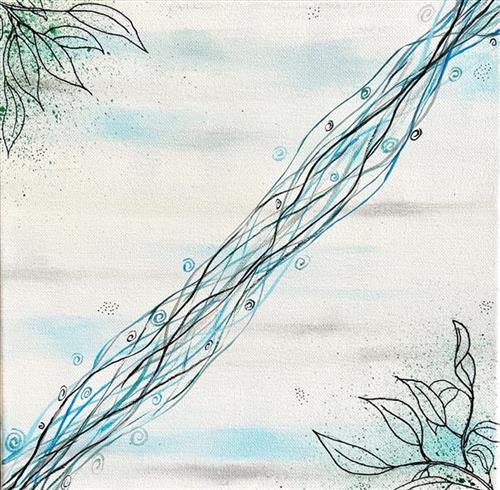
This painting represents the earthly elements of water or “Bana” the word for water in Yidiny language. This piece highlights how important water has been in the past, and how important it continues to be. Water is needed for growth, health, and life. This symbolised the gratitude we should have for the things we have. Just like water, there are things in our in our life that we can’t live without and don’t take for granted, like family, friends, support, and education. In this piece I have used line work in the centre of the canvas representative of water and the things we can’t live without. then in the corners of the canvas I have illustrated branches of a gum tree. This symbolises us as humans reaching in need of water.

115682305428


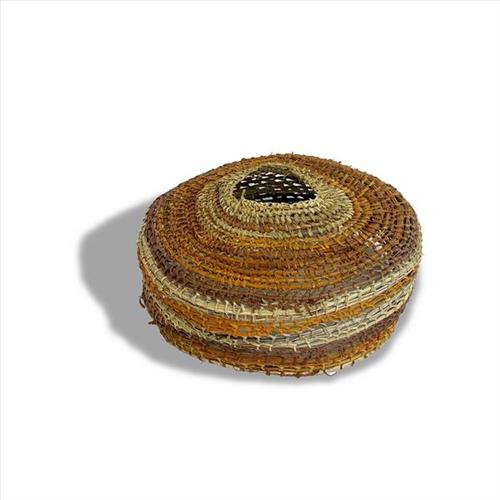
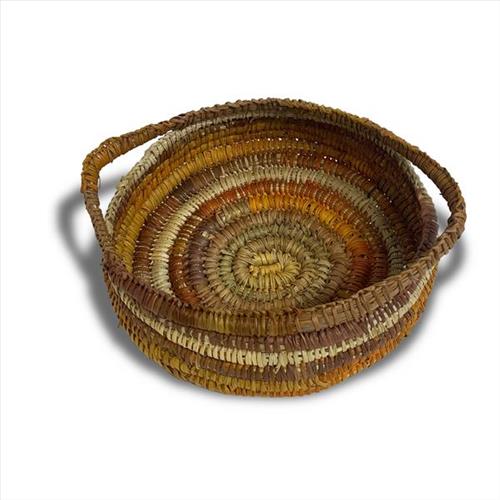
Bathi (Pandanus Basket)

Bathi are woven from the split leaves of the Screw Palm (Pandanus Spiralis). Coil weaving was introduced to Arnhem Land in the 1930s. It was adapted from techniques used by Indigenous women throughout South East Australia.

115682305424


Bathi (Pandanus Basket)

Bathi are woven from the split leaves of the Screw Palm (Pandanus Spiralis). Coil weaving was introduced to Arnhem Land in the 1930s. It was adapted from techniques used by Indigenous women throughout South East Australia.

115682305303


Gumang (Magpie Geese)

The Yolngu people of Arnhem Land originate from a spiritual source, fixed in a particular place in their land or the sea. These ‘Spiritual Reservoirs’ are often in the form of special waterholes made by Wangarr (Creative Beings) long ago close to the beginning of time.

The creator beings moved across the country side, shaping the land and implanting in each tract of country, the spiritual life force for the people who were to own it. These Creative Spirits took many forms. When they gave the land to each group they also gave songs, dances, ceremony, the associated laws and language. The Creation story for Ganalbingu people took place near the middle section of the Glyde River where it becomes the Goyder River. Their land, Ngaliyindi, sits astride the Arafura Swamp in Central Arnhem Land.

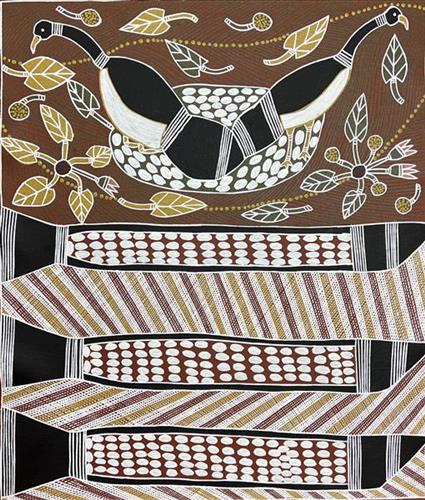
In this painting, the artist has depicted Gumang (magpie geese), which are sacred to the Ganalbingu people. To the east of the Arafura Swamp is a freshwater billabong which is said to have been made by the Goose Spirit and is in the shape of a goose nest. As a result, geese, their eggs and their nests are sacred.

Dorothy has also depicted the canoes and collecting the eggs.