114182308694


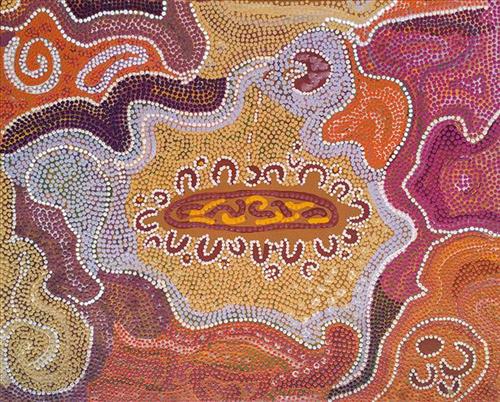
The boy who turned into wind (pirriya) at Walu rockhole

This story is about a young boy who had no parents and was neglected.

There were two men (the boy’s uncles) and one young boy camping at Walu Rockhole, an important water site in the Gibson Desert, northwest of the tri-state border between Western Australia, the Northern Territory and South Australia. 

The men went hunting and the boy stayed behind waiting. The men returned with an emu and pulled out its heart. The boy was holding the heart and blood spilt out onto the rocks. He ran away with the heart and turned into a big whirlwind. The big whirlwind. came up and swept the families away. Today you can still see the emu’s blood trail where it stained the rocks.

Walu rock hole is a special place north of Papulankutja (Blackstone) where traditionally Yarnangu families would gather when water was available in the holes found in a flat rocky area.
377810582309269


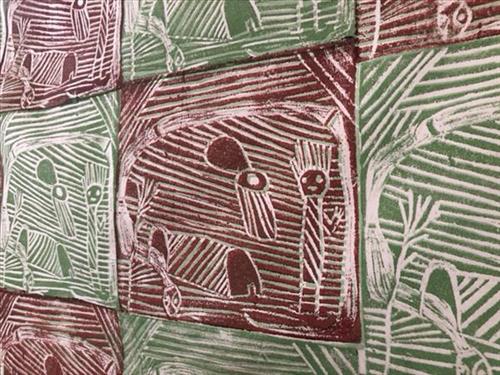
Bawáliba (Stone Country Mimih)

‘Bawáliba is the djang (Dreaming) of my mother and my uncles. They are good spirits, they protect us and they recognise families. They are really tall- just like human beings, like us. They dance late at night and have a lot of hair.

In olden times, long long long time ago Bawáliba were here, before people were on the land. Bawáliba used to go out hunting and care for country. They hunt carrying fish traps and digging sticks, near the homeland Djinkarr. They go out hunting on the floodplains with dilly bags and digging sticks. They collect a lot of bush foods, and sleep together with one bark shelter.
Sometimes now they still come alive when we sleep, they might come to our houses and peep through the window. At night, they cover themselves with white clay and red cloth tied around their waist. If we hear them, we jump out of bed and get up to look -but they have disappeared, they’re just too quick. Bawáliba might knock on the window to remind us they are there looking out for us.If you listen deeply you can hear them whisper, sometimes they talk about us and might say, ‘why are those people making camp here?’ then they realise ‘Oh they are family from here, it’s ok, they are just sleeping here for the night’.

During the day they always turn into stone and they sleep. We still know that green rock covered in moss near Djinkarr, that’s Bawáliba sleeping.
Some of my ancestors used to speak the same language as the Bawaliba, but all those old people are passed away now. It’s a little bit sad for us, because no one now can speak that Bawaliba language anymore.’ Lucy Yarawanga 2019

377810582309268


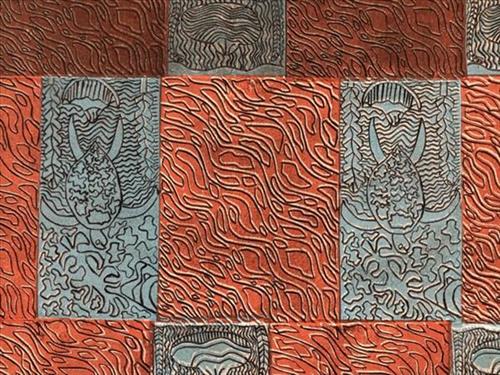
Garriwa (Sea Turtle)

A detailed lino print design depicting a sea turtle surrounded by sea shells.

Elizabeth is from the Burrarra language group and her homeland is Gupanga, Arnhem Land.  

377810582309267


Kunmadj

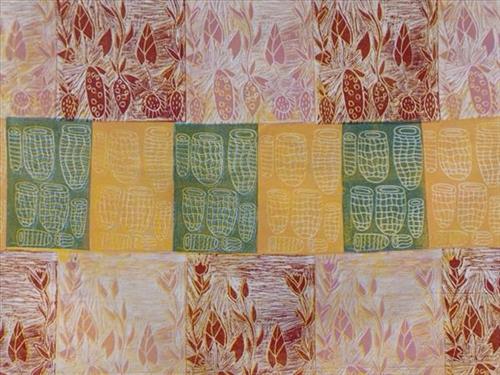
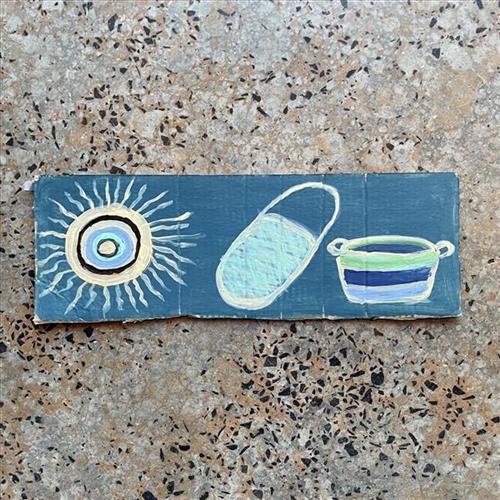
Kunmadj is the Kuninjku term for large woven collecting baskets, known as dillybags.

They are often made from the burney vine (Malaisia scandens), a strong, pliable plant that grows along the ground and into the canopy of monsoon vine thickets. The baskets are used to collect a variety of heavy foods, such as fish caught in conical fish traps or a good harvest of yams. As well as being of practical use, dillybags are of cultural significance to Arnhem Land people. Dillybags are totemic objects and they are associated with particular sites in the landscape.

377810582309266


Kunmadj

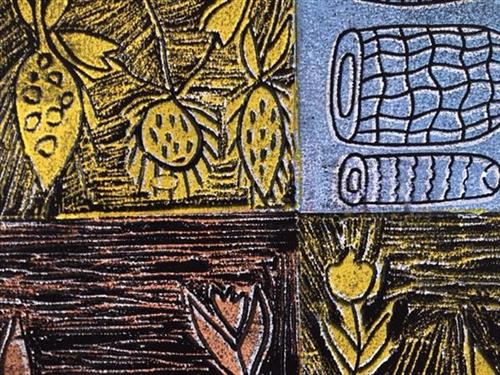
Kunmadj is the Kuninjku term for large woven collecting baskets, known as dillybags.

They are often made from the burney vine (Malaisia scandens), a strong, pliable plant that grows along the ground and into the canopy of monsoon vine thickets. The baskets are used to collect a variety of heavy foods, such as fish caught in conical fish traps or a good harvest of yams. As well as being of practical use, dillybags are of cultural significance to Arnhem Land people. Dillybags are totemic objects and they are associated with particular sites in the landscape.

225182309531


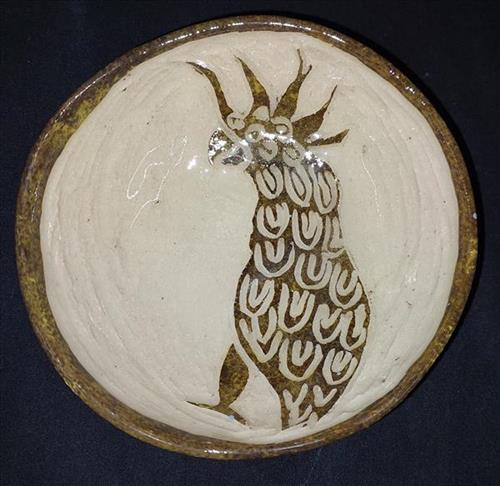
Birmba (White Cockatoo)

Birmba (White Cockatoo) is my family totem. It has been passed down from generation to generation. They always remind me of my grandfather, my sister and other family members who have passed on. White Cockatoos are like protective spirits for me and my family. They will give you signs. Good signs and signs of danger. They will let you know when to move on.
When I’m out with my grandchildren and there is a white cockatoo, I might say, “that is your grandmother, my sister who is watching us”.

At other times, the spirits of other family members visit us in form of white cockatoos. The White Cockatoo keeps our living and past family connected to each other and to our country. When I’m alone, I know they are around. I speak to their spirit and they give me strength.