115682058401


Warrnyu Dhawu (Flying Fox Story)

Back in the Creation time, Warrnyu (Flying Foxes) once lived, like men, in the cave at the place called Kurrki Warrnyu Yirri Djaringal (they also lived in caves called Wadatilmurr & Gurngurmirrngu). Warrnyu lived in these caves for many years and then one day Djanyarr (The Dog), an ancestral being in the form of a man, came along. He was looking around for a place to live. Djanyarr heard the sound of a Flying Fox screaming. He went down to the cliff and pushed the rock and the water came out at the Ganalbingu place called Gurrkawakarrmurr. He then went into the cave and into the sacred hole, frightening all the Flying Fox away. When he went into the hole he left his dilly bag in the tree and went out on the other side of the sacred cave and leaving his spear and woomera. He sat there for a long time. The Dog made three streams and the water went inside the cave. Two of these streams are good drinking water. In the middle it is a sacred water. No-one drinks from the middle of the stream. Children, men, women, young boys or girls are not allowed to drink from the middle of the stream. If they drink the water from the middle of the stream they will get grey too early.

At Kurrki Warrnyu Yirri Ngilaya Djaringal, the Flying Fox made himself into a young man… that’s what Aboriginal people do today. They have ceremonies and dances to make the young boys into men. The songs are called Yirrarwu, Gulumu, Rruburra and Burryun. Dhapi (initiation ceremony) happen today because the Warrnyu (Flying Fox) people performed them a long time ago before the Yolgnu people. It was the Warrnyu people who first performed circumcision of the young boys to make them into men. It all happened at Kurrki Warrnyu Yirri Ngilaya Djaringal, this is how this place got its name.

Leaving behind the cave at Kurrki Warrnyu Yirri Djaringal, the Dog travelled west across the Arafura Swamp and came to Djalkulmurr (Mount Delight). From there he travelled north and came to Dunganda (a hill situated a few kilometres east of Ramingining). There he met a female Dog, then they both headed north and came to a place called Garanydjirrmurr where they spoke the Mildjingi language. From Garanydjirrmurr they changed their direction and went west through Guliny’barra, Burgumara and onto the plains. When they reached the plains they smelled something cooking, way up in the north – at Wessel Islands. The aroma they smelt was so enticing that they decided to go there. Lungurrma (the north-east wind) was carrying the smell. One Dog headed north again, but the other Dog decided not to go with him and went back the opposite way. The first Dog that went to Malwanatharra (Sandy Point) went into the sea following its nose to wherever the smell was coming from. It is believed that this Dog still lives in the sea…
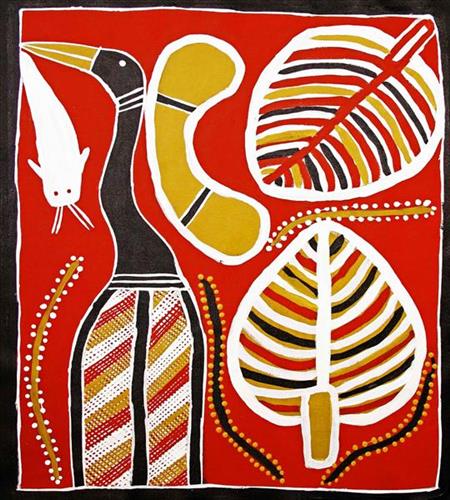
115682075496


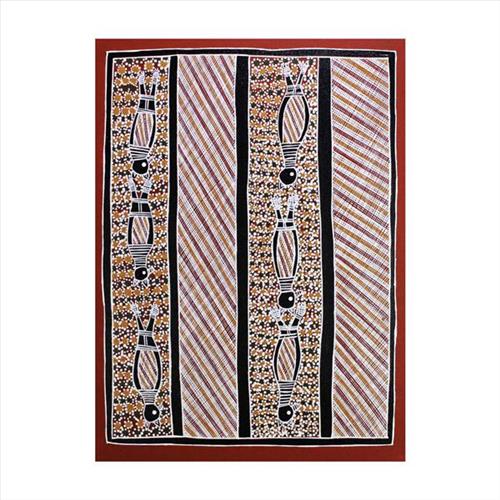
Burrula (Diving Duck]

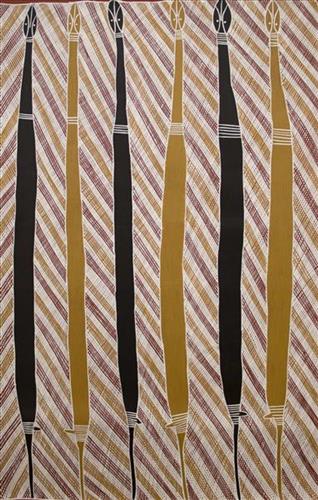
This painting depicts diving duck, both realistically and symbolically. A particular clan group uses the object in the painting during a hollow log ceremony (traditional funeral ceremony). The rarrk (cross hatching) is the water. One group will perform the catfish dance whilst another performs as diving ducks. The object is whirled above the head to make a noise that emulates the ducks “roar”. The dance crescendos into the catfish coming closer to the diving ducks allowing them to eat the catfish in a frenzy.


115682088947


Wititj

All Aboriginal people originate from a spiritual source, fixed in a particular plce in their land or sea. These Spiritual Reservoirs are often in the form of special waterholes made by Wangarr (Creative Beings), long ago close to the beginning of time. These creator beings moved across the country side, shaping the land and implanting in each tract of country, the spiritual life force for the people who were to own it.

 These Creative Spirits took many more forms. When they gave the land to each group they also gave songs, dances, ceremony, the associated laws and language. The Creation story for Ganalbingu people took place near the middle section of the Glyde River where it becomes the Goyder River. Their land, Ngalyindi, sits astride the Arafura Swamp in Central Arnhem Land.

Original catalogue number CP2716, painted in 2011

11564004648


Status: Stock


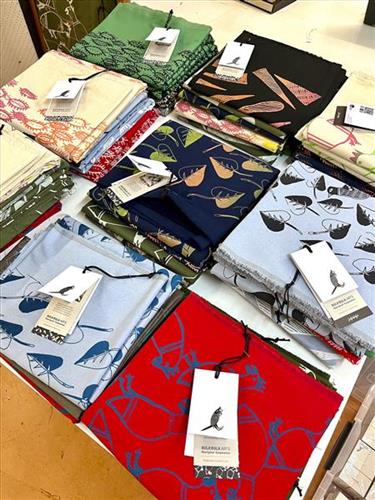
Fabric length – 1m

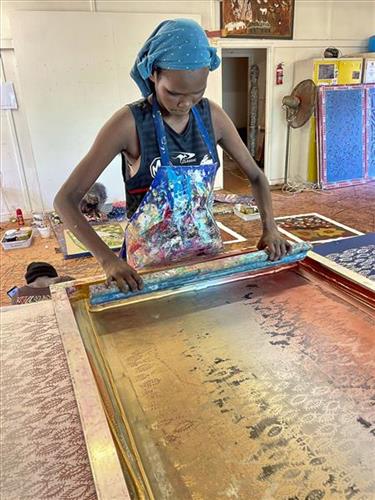
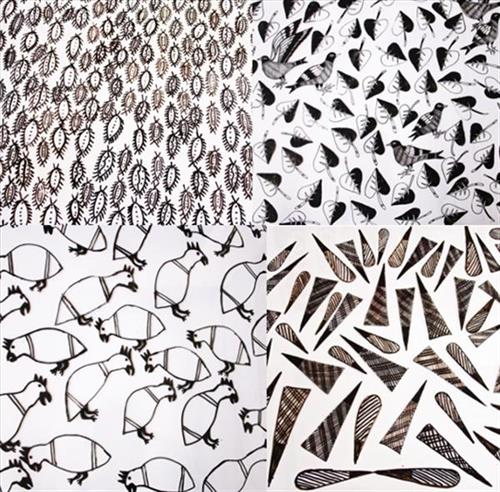
This product was screenprinted by Yolŋu art workers at Bula’Bula Arts. We print small batches of tea towels, tshirts and fabric lengths by hand because we love putting Yolŋu designs on everyday items – especially ones that balanda (non-Yolŋu) use! Due to the lovely handmade nature of this product, print quality may vary.

 Available in four fabric designs and multiple colourways:

  • Dawurrmonuk (itchy caterpillar) by Evonne Gayuwrri
  • Lidjilidji (Crimson Finch) by Andrew Wanamilil
  • Lorrpu (Sulphur-crested Cockatoo) by Peter Gambung
  • Ngambi (limestone) spear by Shannon Ashley

Manymak (very good)! Buying Bula’Bula Arts products helps us build a sustainable income source for our 150 artists and artworkers from Ramingining and surrounding outstations.

55% linen 45% cotton 


11564004645


Status: Stock


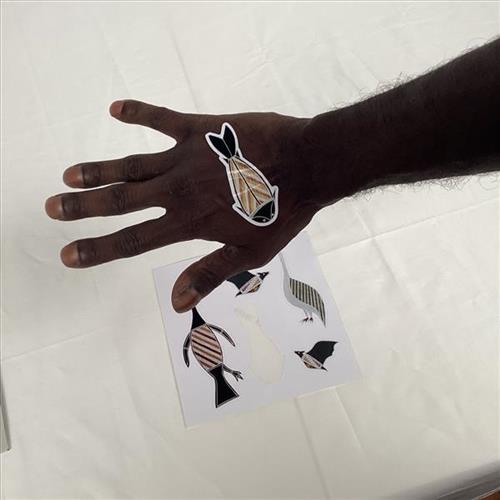
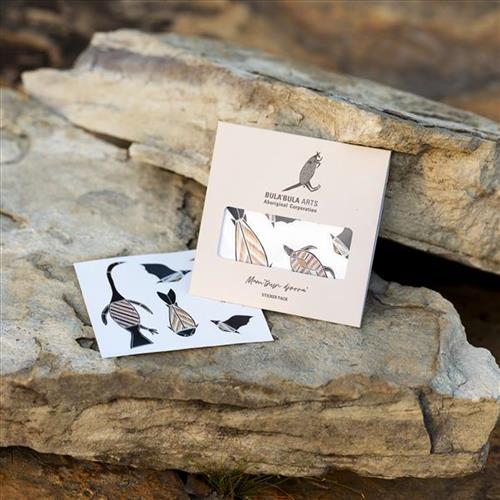
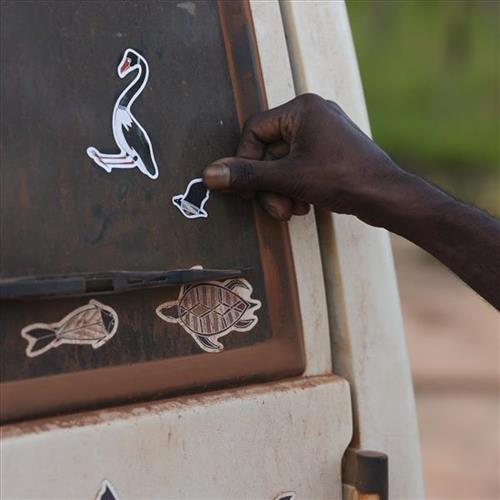
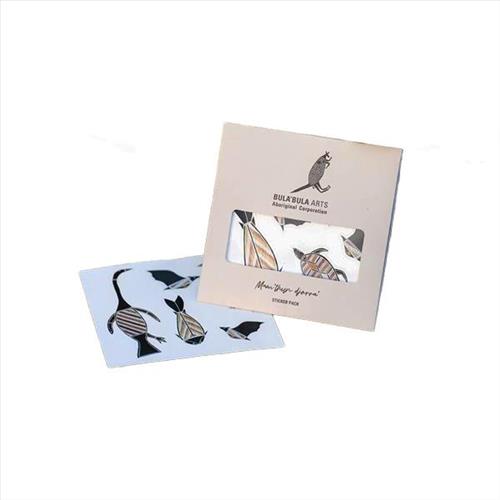
mam’thun djorra’ (sticker pack)

Meet animals and creation spirits from Ramingining, Arnhem Land. These sticker designs are taken from original paintings from incredible Yolŋu artists at Bula’Bula Arts. We love seeing Yolŋu designs on everyday items – especially ones that balanda (non-Yolŋu) use – because we are proud of our culture! It makes us happy to see our stories travel all around the world.

  • Materials: High quality PVC. UV protected and water resistant. 
  • Use: Suitable for indoor and outdoor use including bumpers, vehicles and windows.
  • Designed in Ramingining, Arnhem Land. 

Yo! 10 stickers inside by Bula’bula artists: 

  • Guwarrtji (Hawksbill sea turtle) by Peter Gambung
  • Warrnyu (Flying Fox) by Andrew Wanamilil
  • Wuldulbal/badju (bream) by JB Fisher
  • Gananhdharr (egret) by Daniel Warrulukuma
  • Gumang (magpie goose) by Angela Malibirr
  • Burala (diving duck/oriental darter) by Peter Gambung

Manymak (very good)! This product helps build a sustainable source of income for Yolŋu artists and art workers at Bula’Bula Arts.

11564004372


Status: Stock


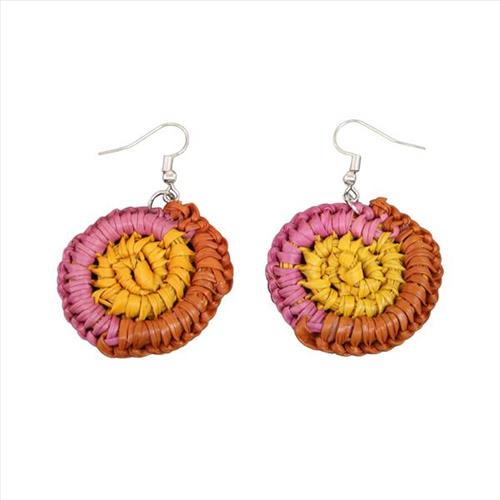
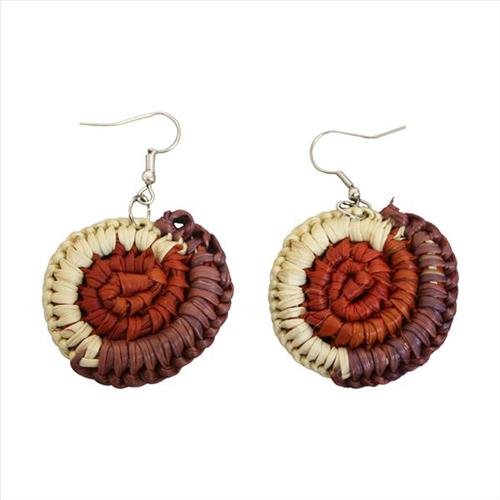
Pandanus earrings by Daphne Banyawarra

  • Bush-dyed pandanus, harvested locally and dyed with bush dyes
  • Silver plated hooks 

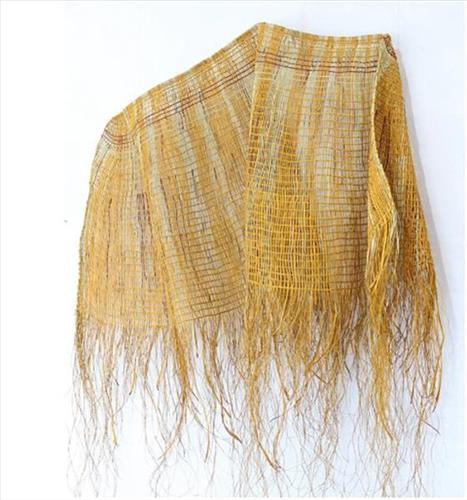
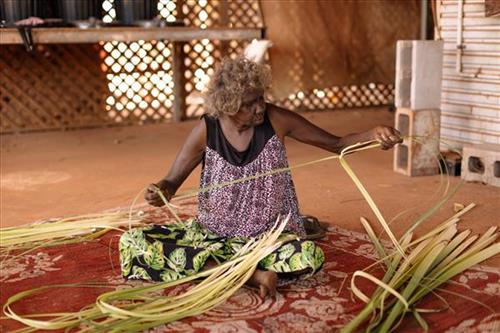
Yolŋu artistand masterweaver Daphne Banyawarra is a strong Ganalbingu woman from Gurrwiliny (Arafura Wetlands). Her intricate and highly skilled works are made from naturally dyed pandanus and kurrajong plant materials sourced from the bush surrounding Ramingining, Arnhem Land. Her work embodies the traditional knowledge of the Yolngu Nation. The plant material is worked and treated in the ways passed on from ancestors and in doing, she recreates and identifies with sacred ceremonial objects which connect Yolngu to each other, to their past, their Creative Beings and to their Country.

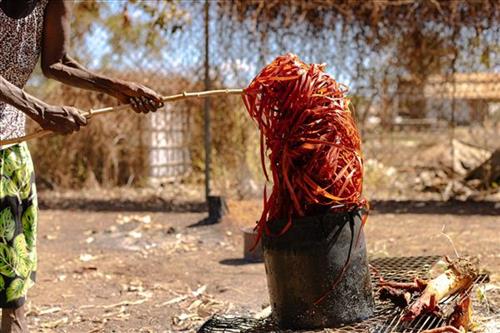
Daphne harvests the youngest bunches of leaves from the top of the Gunga (pandanus spiralis) with a hooked long stick. The prickly edges stripped off with the thumb nail. Daphne returns to the bush to collect natural dyes from roots, leaves and grasses. The stripped pandanus is then boiled with the dye to create the variety of colours. The freshly dyed strips of pandanus are hung to drip-dry and are ready f or weaving whilst the fibres are still moist and pliable.

11564004373


Status: Stock


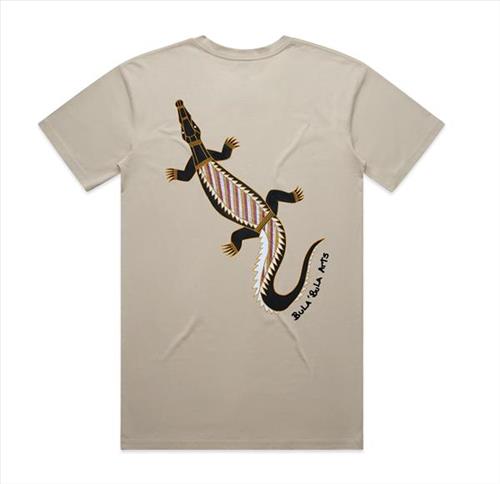
Baru T-shirt

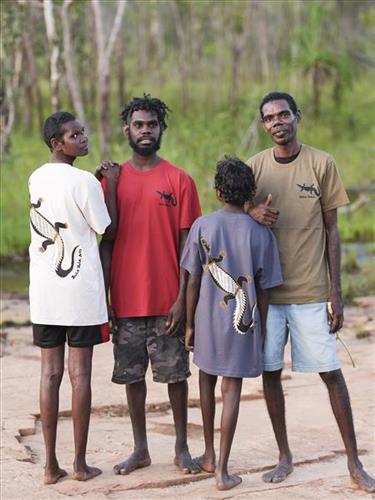
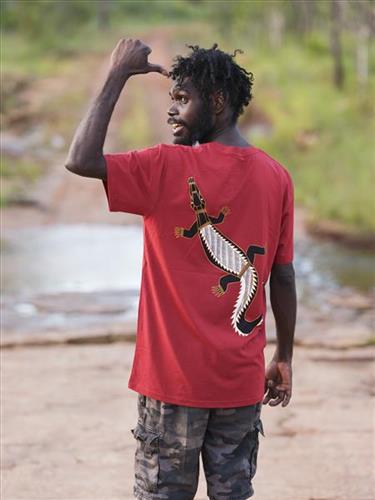
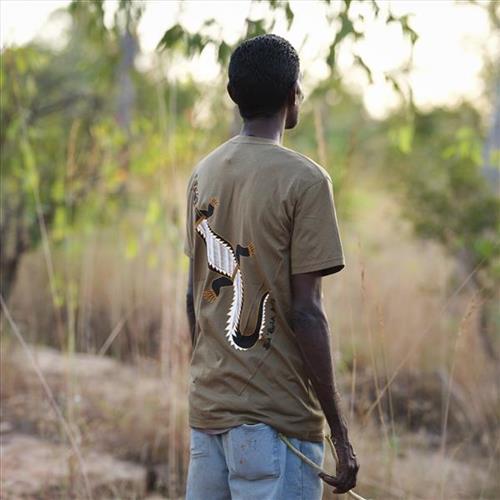
This tshirt was designed by Yolŋu artist Andrew Wanamilil in Ramingining, Arnhem Land. Baru (crocodile) is one of Andrew’s totems and part of a very important Creation Story for the Ganalbingu people. 

Manymak (very good)! Buying products by Bula’Bula Arts helps us build a sustainable income source for Yolŋu artists and artworkers.   

DETAILS

  • Unisex TShirt, regular fit 
  • Mid weight 180GSM 100% combed cotton (very soft!)
  • Available sizes: S, M, L, XL, 2XL
  • Available colours: Bone, Petrol Blue, Cardinal Red, Army Green
  • Neck ribbing, side seamed, shoulder to shoulder tape, double needle hems, preshrunk to minimise shrinkage
  • UPF rating: UPF50+

SIZE GUIDE 

We are a small team based in a very remote location. Please choose your size carefully as returns are very difficult and expensive for us to facilitate.  Thank you for your understanding! 

Our tshirts are an AS Colour Staple Tee with the following dimensions (width x length): 

  • Small: 47cm x 71cm
  • Medium: 52cm x 75cm
  • Large: 56.5cm x 78.5cm 
  • 2XL: 64cm x 83.5cm l

*allow for 2cm tolerances on all sizes.  

Originally created in collaboration with the MCA Store, Museum of Contemporary Art Australia, 2023 

11564004374


Status: Stock


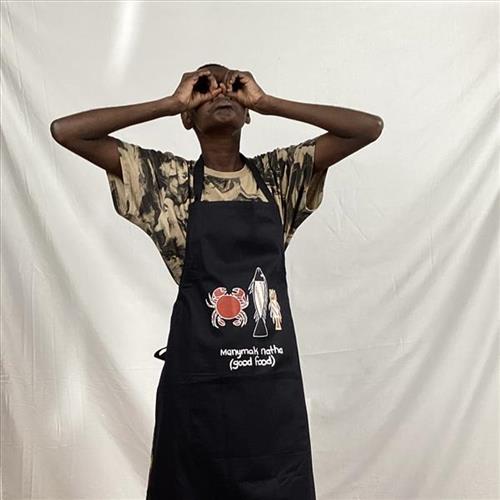
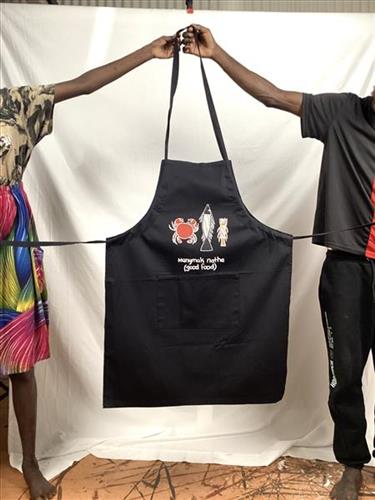
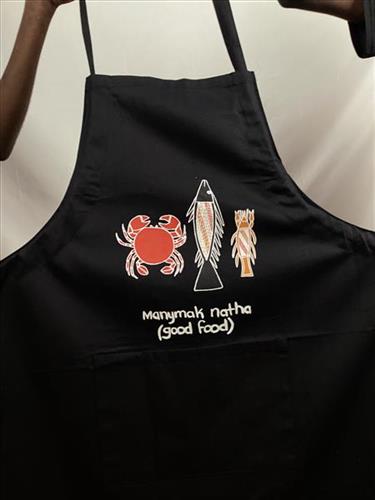
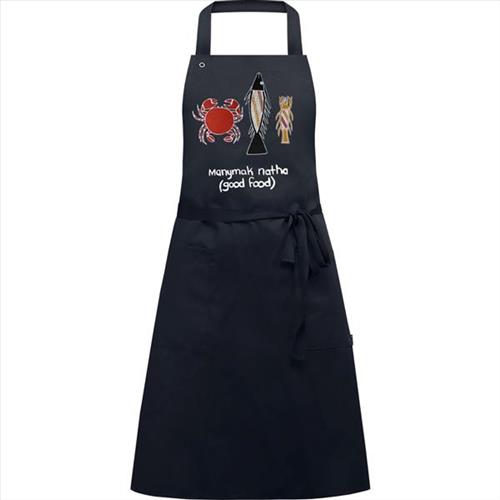
Manymak natha (good food) apron

Perfect the art of cooking in our ‘Manymak natha’ apron – it means ‘good food’! The design is made from three original artworks and features traditional Yolgnu bush foods from both freshwater and saltwater sources.

Cotton drill apron with pocket and adjustable straps.

ARTISTS

  • Nyoka (crab), Benjamin Garrawurra
  • Wuldulbal/badju (bream), JB Fisher
  • Dakawa (yabby), Peter Gambung 

Manymak (very good)! This product helps build a sustainable source of income for Yolŋu artists and art workers at Bula’Bula Arts. 


377814082246223


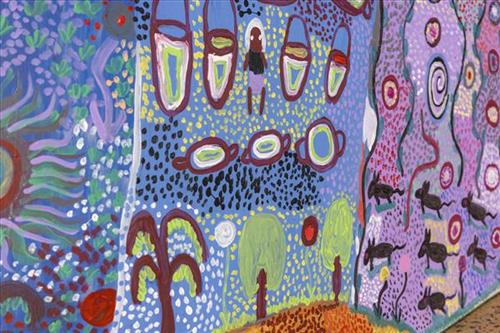
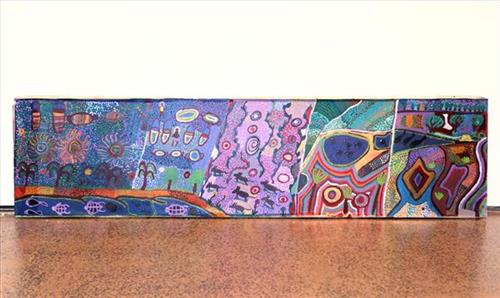
All the Things from Numbulwar

All the things from Numbulwar. Like, different types of baskets and dillybags, mats, and the pandanus tree where we get the weaving string from. All of the dogs in community. The birds in the water, stingray and big mob fish and turtle. Some things close to me and all of the trees in the distance.