220982312804


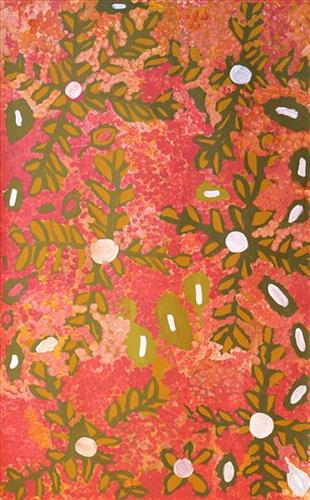
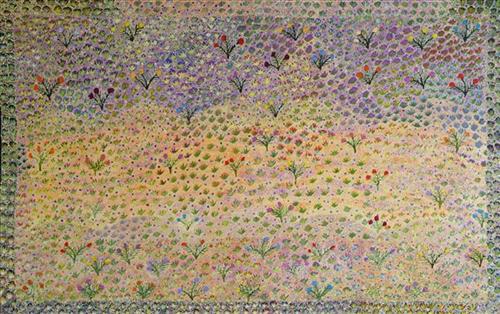
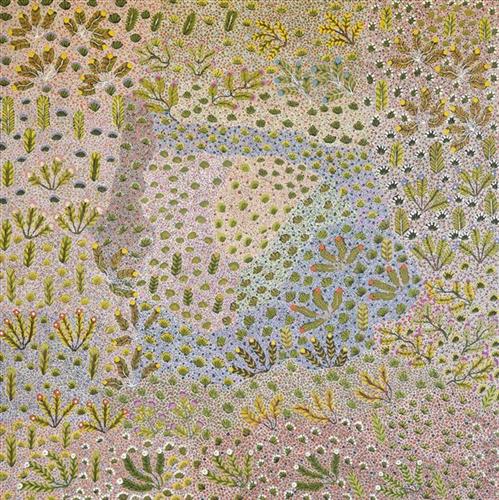
My Country is Irrultja – Kindy Kemarre Ross

The community of Ampilatwatja made a conscious decision not to paint ‘altyerr’ dreaming stories. The artists paint their country where those stories belong. 

“My country is called Irrultja, it’s past the hill and the dried-up creek from here, it’s a nice place, my dad’s country too, and my Mum’s country is here in Ampilatwatja. When I go to see my country, we always go to gather bush medicine, we always climb up the hill that’s in the south, we always go there. We like to look out over the land and there are lots of flowers and bush medicine up there. I love my countryside; I see the nice flowers and gather bush medicine for me and my family. I like to paint a mix of wildflowers and bush medicines in all my paintings because it reminds me of my favourite part of my country and when it rains the flowers come out. Yeah, my countryside.”
225182314237


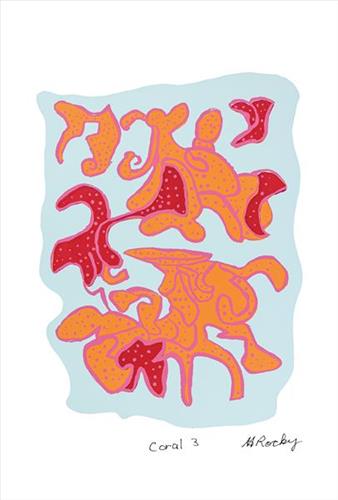
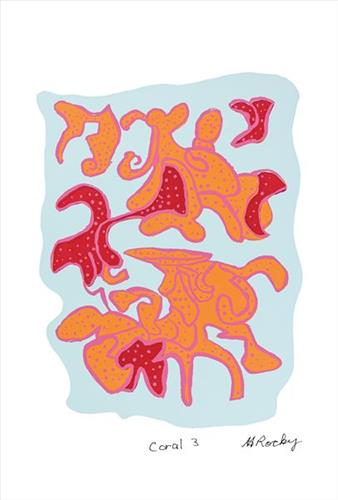
Karrangkal (Corals of the Great Barrier Reef)

Our beautiful Yalanji coastline has many places where the rainforest and the reef come very close together. The colourful corals on this fabric is a reminder of the rich ocean environments of the Great Barrier Reef that have nourished generations of our Kuku Yalanji families and culture.

This fabric helps to convey the traditional knowledge and complexe histories of how Kuku Yalanji used to live with the ocean, including the social rules and practical knowledge of how to hunt and cook various sea animals, distribute food and how to make important material cultural objects such as fish hooks, various traps etc.

225182314236


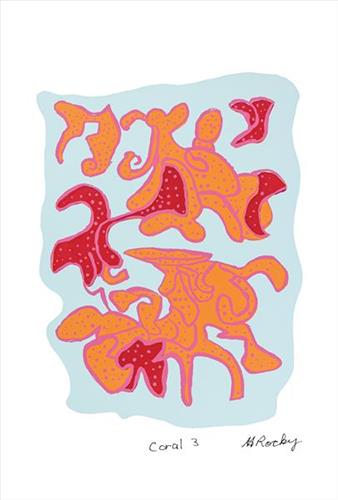
Karrangkal (Corals of the Great Barrier Reef)

Our beautiful Yalanji coastline has many places where the rainforest and the reef come very close together. The colourful corals on this fabric is a reminder of the rich ocean environments of the Great Barrier Reef that have nourished generations of our Kuku Yalanji families and culture.

This fabric helps to convey the traditional knowledge and complexe histories of how Kuku Yalanji used to live with the ocean, including the social rules and practical knowledge of how to hunt and cook various sea animals, distribute food and how to make important material cultural objects such as fish hooks, various traps etc.

225182314234


Karrangkal (Corals of the Great Barrier Reef)

Our beautiful Yalanji coastline has many places where the rainforest and the reef come very close together. The colourful corals on this fabric is a reminder of the rich ocean environments of the Great Barrier Reef that have nourished generations of our Kuku Yalanji families and culture.

This fabric helps to convey the traditional knowledge and complexe histories of how Kuku Yalanji used to live with the ocean, including the social rules and practical knowledge of how to hunt and cook various sea animals, distribute food and how to make important material cultural objects such as fish hooks, various traps etc.

220982186571


Bush Tucker – Maisie Petyarre Bundey;-

Maisie paints the bush tucker found in her country, the area that surrounds Boundary Bore in the Utopia homelands. She paints bush plums, bush bananas, bush potatoes and bush medicine plants. The main motif which recurs often in Maisie artworks is a full coolamon. When she paints she always speaks of gathering and hunting on her country ‘long way from here, long time ago’, filling up coolamons with ‘bush potato, bush banana, goanna and porcupine.’ Maisie always says her family are ‘happy ones, healthy ones.’
 

220982275563


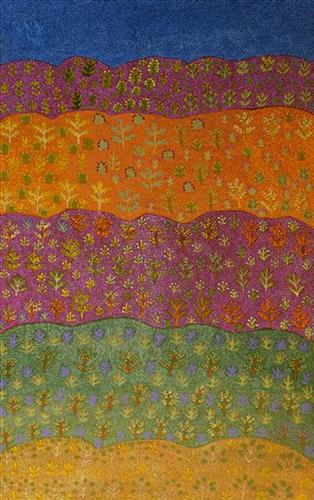
My Father’s Country and Bush Medicine – Rosie Kemarre Morton

The community of Ampilatwatja made a conscious decision not to paint ‘altyerr’ dreaming stories. The artists paint their country where those stories sit.
Rosie has painted her Father’s country, where she can always find bush tucker and bush medicine. She is very happy when out bush hunting and gathering, as it brings back memories of her childhood when she used to live traditionally off of the land with her family.
Rosie uses these hunting trips as her inspiration for her artworks, each one reflecting the layered landscape and various colours as she has seen them. “They are always changing, with the light of day and the seasons of the year
Rosie enjoys and understands the importance of painting bush medicine plants. They help in the healing of her people and it keeps the tradition and knowledge strong. These particular plants are very plentiful after rain and can be used for numerous conditions, such as skin irritations, flu, coughs and infections.
Rosie’s dreaming is the “Araluta” or kangaroo plant. This bush is a rich source of food for the kangaroos and keeps them fat and healthy and good for hunting.

220982282231


Bush Medicine Plants

“Bush medicine plants are used for healing on the body and for drinking. We make this by smashing the plants with a rock, we use the juice and the fibre of the plant.

We collect bush medicine plants when we are out hunting. Different kinds of plants grow during different seasons.

There are lots of different medicines, we know what their stories are, we learnt them from our parents and we teach these stories to our children.”

Bush medicine knowledge is still strong in Ampilatwatja, it continues to be passed down to the younger generations and is widely used.


When the women go hunting they often gather bush medicine. The plants depicted here are found in the country around Ampilatwatja, they are used for soothing skin infections and to make a drink to help with colds and coughs.


Painting bush medicine stories is important because it helps to maintain a strong knowledge and culture for the community.

225182313628


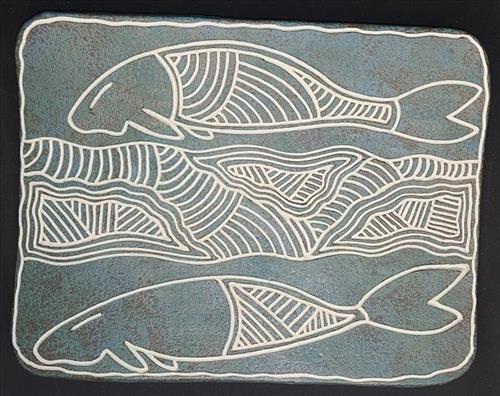
Kirbaji (Dugong)

Kirbaji (Dugong) is an Ancestral Spirit Being (Totem) that I inherited it from my mother’s side.  It is my Totem. The dugong was also an important food source for my ancestors. Only men were allowed to hunt them, and only men had the right to cook and distribute the meat to all the families. My uncles and cousins showed me how to hunt dugongs and they passed down to me the cultural knowledge about them.

My ancestors used to wrap the dugong meat in ginger leaves for flavour, close the wraps with a vine and cook them in the ground oven. Dugongs were only hunted on special occasions such as births, weddings and funerals to provide food for large family gatherings.Dugong fat was also melted to make oil which was used as a medicine for skin and hair ailments or as ointment to treat an upset stomach.

225182313626


Kakan (Black Palm) Dillybag.

Our ancestors used Kakan (Black Palm) dilly bags to carry food when out hunting and gathering or soak bitter yams in creeks before cooking them. They were also used to hold personal items.

When I was a young girl my grandmother would teach me how to make Black Palm dillybags. We used to set up camp with other Kuku Yalanji women at a creek near Helenvale. It is very hard work. The men would help us cutting down the palm trees and separate the crownshaft from the trunk and the leaves. Then the women used to peel away the outer leaves until they felt strong threads they could pull out. They cleaned these threads from pulp with a mussel shell. When we moved away from Helenvale I forgot how to make them. Luckily years later I asked a relative of mine, Wilma Walker, who is great weaver, if she could refresh my memories. From then on I kept making dillybags as long as my health allowed it. I really enjoyed making them.