111982322093


Mimih Spirit

The mimih spirit exists in a realm that runs parallel to and mirrors many facets of human life, demonstrating the deep sense of time and place understood by Aboriginal and Torres Strait Islander people. Such spirits feature importantly in relation to Aboriginal spirituality, cosmology, social and moral tales as well as ritual. As is true with the multiple mediums employed by artists of West Arnhem Land, the development of artistic style and form is in line with an awareness by the artist that the work produced is predominantly made for a broader audience. Whether shown in a national or international context these works communicate and exist in a particular space that is cross-cultural and simultaneously particular to the Arnhem region.

The mimih sits within a complex pedagogical and religious body of knowledge which links Kuninjku people to their distinctive escarpment homelands. Young Kuninjku artists, or apprentices, employ the mimih as an important exercise for the practice of the rarrk technique, as it could be achieved on a smaller surface area before being attempted in larger scale on pieces of bark. The mimih serves a purpose for those young artists first learning to carve in a social space of sharing and innovating. The initial mimih manifestation was a large form that almost mirrored the anatomy of a human and at this stage the sculptures have been likened to mokuy carvings visible in eastern Arnhem Land. Contemporaneously, mimih are depicted in a refined, slender, even emaciated form with a broad range of facial expressions giving both individual character to, and denoting the potential volatility and humour that mimih spirits are notable for in their interaction with bininj (humans). The sculptures are frequently carved from the thin trunks of softwoods such as kapok (bombax ceiba or cottonwood) kurrajong, beach hibiscus or leichardt and are painted with earth pigments for their colouring and design.

A leading figure engaging the spirit in visual storytelling was Crusoe Kuningbal, a Kuninjku man, who while traveling was familiarised with carving styles from the east of Arnhem at the mission in Milingimbi pre-dating World War II. The connection and development of art forms informed by cross cultural dialogues within northern Aboriginal language groups is notable. The mimih became a valued inclusion in performance and public ceremony by Kuninjku people like Kuningbal. At times these ceremonies were performed for extended language groups in the local region. 

Now a familiar and broadly depicted figure of iconography, it is important to acknowledge the development of this quite recent sculptural tradition. The depiction of this particular spirit being, once used as an addition to the sharing of song cycles and ceremony, has since been elevated to a prominent form and subject of contemporary sculpture. Variation in the creation of mimih acts as an indication of the individualism of each artist and their stylistic markers. Additionally significant to note is that in the space of the past thirty years the mimih has begun being produced by multiple language groups residing in the Maningrida area including the traditional owners of Maningrida, the Ndjébbana, speaking Kunibidji as well as Gurrgoni people who have strong ties to Kuninjku. 

________
*Maningrida Arts & Culture acknowledge the work of many academic and non-academic voices when writing on this topic, it is important to note Luke Taylor, who’s broad research has informed this text.
22134004727


Status: Stock


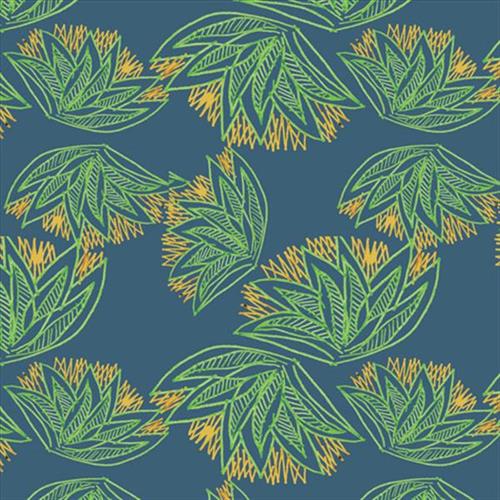
Nitmiluk Range, Lilies by Augustina Kennedy

Lilies by Augustina Kennedy

The Nitmiluk Range is a collaboration between the Banatjarl Strongbala Wimun Grup and Djilpin Arts. The range features scarves and sarongs in designs by Djilpin’s artists at Beswick, offered exclusively through the Nitmiluk Gift Shop. This collaboration promotes local Aboriginal enterprises on Jawoyn Country, supporting training, development and strengthens the connections between our communities in the Katherine Region. A percentage of your purchase is paid direct to the Artist.

The Nitmiluk Range Sarong features digitally printed designs by Djilpin artists from Beswick Community. Printed on Modal, a super soft biofabric sourced from beech trees (also known as Viscose), the fabric features a diamond weave for durability on a generous wrap of 1 x 2 metres.

Material: Modal (Viscose)

Size 100cm x 200cm

22134004725


Status: Stock


Nitmiluk Range, Pandanus Mat by Loretta George

Pandanus Mat by Loretta George

The Nitmiluk Range is a collaboration between the Banatjarl Strongbala Wimun Grup and Djilpin Arts. The range features scarves and sarongs in designs by Djilpin’s artists at Beswick, offered exclusively through the Nitmiluk Gift Shop. This collaboration promotes local Aboriginal enterprises on Jawoyn Country, supporting training, development and strengthens the connections between our communities in the Katherine Region. A percentage of your purchase is paid direct to the Artist.


The Nitmiluk Range Sarong features digitally printed designs by Djilpin artists from Beswick Community. Printed on Modal, a super soft biofabric sourced from beech trees (also known as Viscose), the fabric features a diamond weave for durability on a generous wrap of 1 x 2 metres.

Material: Modal (Viscose)

Size 100cm x 200cm

37781064004045


Status: Stock


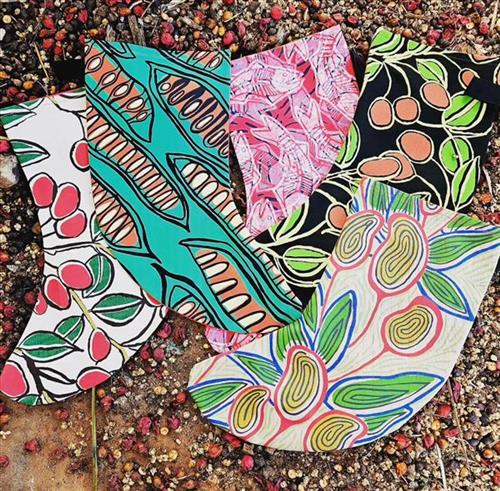
Christmas Stocking

Hand printed cotton and linen designs, sewn into stockings for a special Christmas gift. 

Handsewn in Broome using offcuts of Nagula Jarndu Designs printed fabrics. 

220976646655


Women’s Ceremony and Bush Medicine (Colleen Morton)

The layers of Colleen’s paintings are as detailed and complex as the stories she paints.Colleen’s paintings represent the ceremony that is celebrated by the women in the community, this ceremony involves dance, signing and painting of the body, and here they celebrate their country and their understanding of bush medicine.The use of the bush medicine, the edible seeds that are yellow, black, orange and purple are depicted in many landscape paintings.This painting is about singing to country about bush medicine and where you find bush medicine.

115682055729


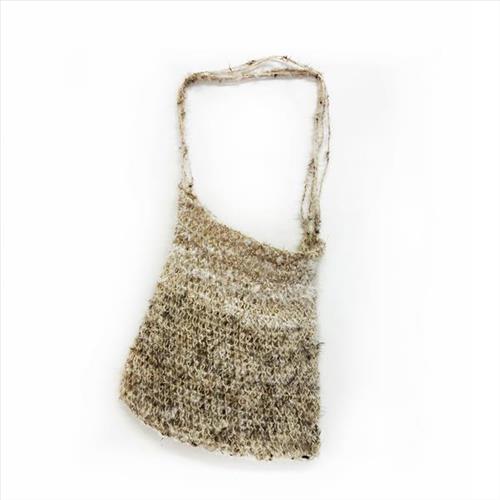
Djerrk / Gay’wu (Bush String Bag)

Hand spun bush string is made from the inner bark of the Banyan tree (ficus viarens), the Kurrajong tree (brachychiton paradoxum) or the Cocky Apple tree (planchonia careya). The bark from the young tree is beaten or chewed whilst still fresh. It is than pounded with a stone to separate the fibres which are then rolled and spun on the thigh. The string is then knitted or knotted to create a bag.

220982320596


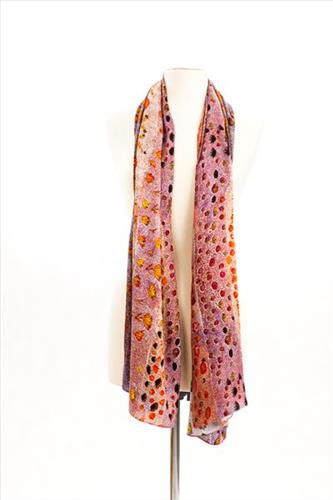
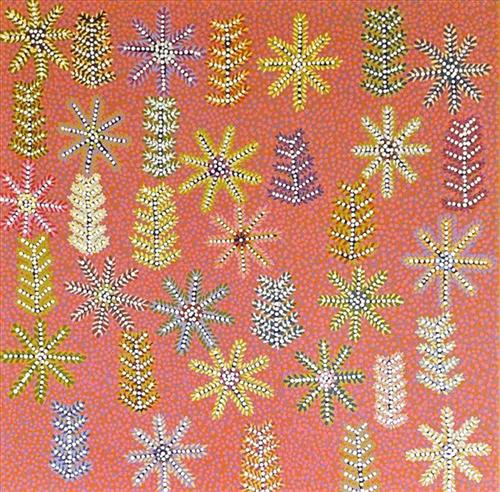
Bush Flowers

The artists of Ampilatwatja made a conscious decision not to paint ‘altyerr’ dreaming stories. The artists paint their country where those stories sit.

These bush flowers grow seasonly in Alyawarr country, some of which are also used in bush medicine remedies.

“When I go out hunting, I like to see all the bush flowers that are flowering and then when I come back, I paint them.”

115682321357


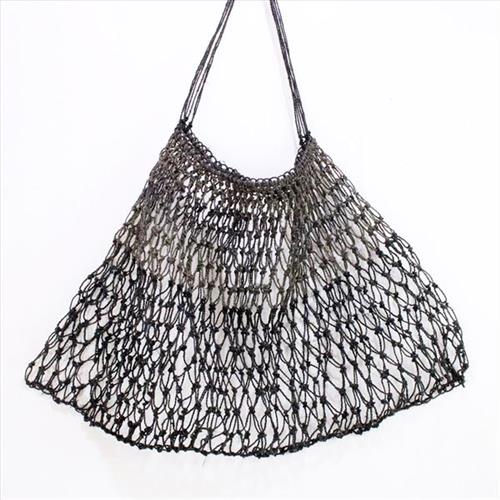
Djerrk (Bush String Bag)

Djerrk are primarily made from the bark of Baḻgurr (Red-flowered Kurrajong – Brachychiton megaphyllus) but sometimes Banyan tree (Ficus virens) and Cocky Apple tree (Planchonia careya). Sections of the tree are cut, and depending on the size, whole portions or part portions from the trunk. The inner bark is beaten or chewed to soften then dyed with natural bush dyes. Once softened and dyed, parts of the fibre are separated into fine strips then rolled on the thigh to create a rope otherwise known as bush string. The bush string is then woven and knotted to create a djerrk (string bag). Djerrk were used for every day utilitarian purposes, particularly collecting bush foods such as bäḻtji (yam).