221382326234
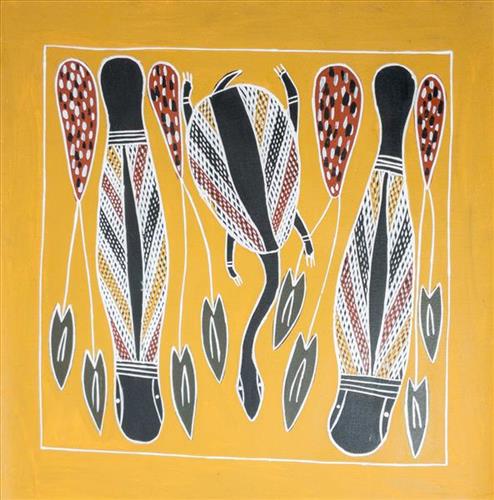
short neck turtle and mudcot
221382326205
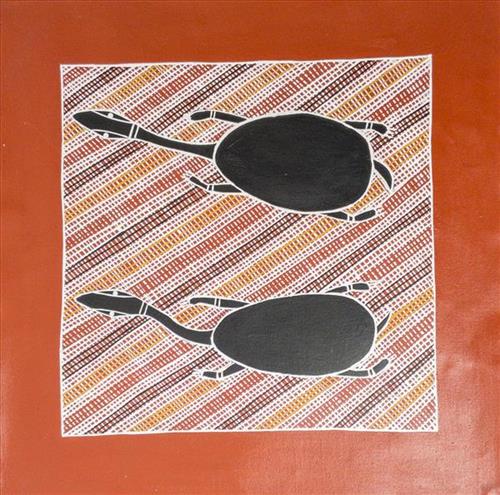
short-neck turtle
221382326204
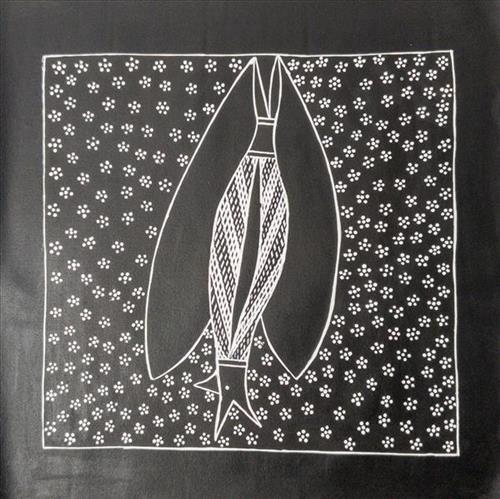
flying fox
111982326124
Wangarra Spirit
The An-mujolkuwa clan lie a few kilometres in from the mouth of the Blyth River, on the eastern bank. The An-mujolkuwa clan belongs to a larger ‘family’ which all speak the Burarra language.
The Wangarra spirits that inhabit the clan waterhole are also reborn as new members of the clan. The birth of a child is always announced in a dream, when the spirit of the new child makes itself known to the child’s father. The spirit comes from the clan waterhole, and ‘gets hold’ of the mother when she is out collecting.
When a person dies, the various ceremonies that are associated with the stages of the body’s disposal are concerned with making sure that the dead person’s spirit finds its way back to the clan waterhole from where it came. Hence the incarnation of a human being can be seen as one form of a clan spirit in the cycle of it leaving and returning to the clan waterhole. Because these spirits are themselves part of the power of the Ancestral Beings who created it rested in the land, so too are the clan members who are the human forms of these spirits.
The Wangarra are linked to Ji-marda, an outstation in clan lands, and the waterhole nearby. The An-mujalkuwa Wangarra are associated with the Lorrkon mortuary ceremony. Humans are said to have learnt how to perform this ritual from the Wangarra.
110682326484
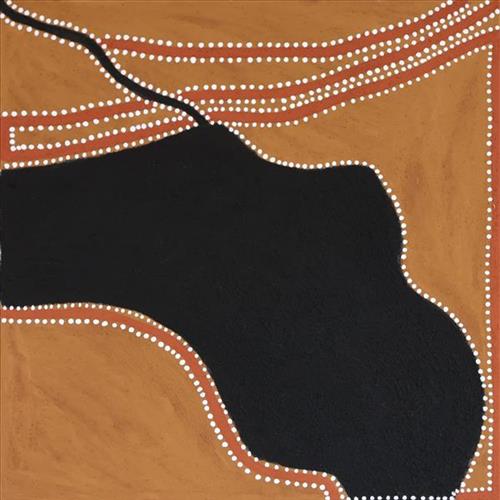
Mistake Creek
This is a painting done in tradional ochres in the style of Jane’s father Rover Thomas. The painting is of Mistake Creek which is a well known massacre site not far from Warmun community.
111582326238
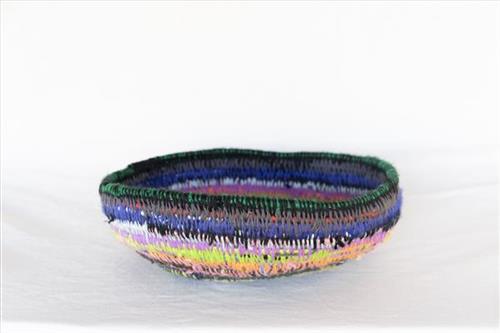
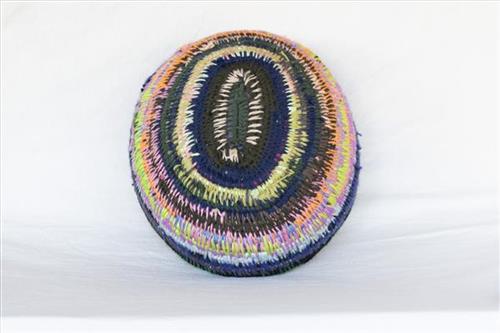
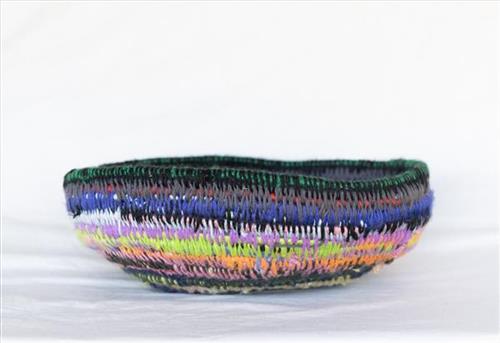
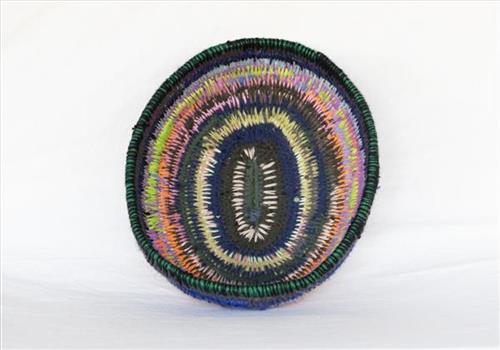
Basket
Weaving is a skill that has been practiced by Martu for thousands of years in the making of utilitarian and ceremonial items, such as yakapiri (bark sandals) and manguri (head pads for balancing carved carrying dishes). However, coiled basket weaving as an artform is a relatively newly adopted practice for the Martu, a skill passed on from Central Desert artists in the 1990’s. Leading Martu fibre arts practitioner Nola Taylor says that basket weaving was so popular amongst Martu women that it “spread across the desert like a waru (fire)”.
Each basket is built up through wrapping fine bundles of grass in brightly coloured wool and then stitching each round on to the previous one. The baskets are primarily made from puntayarra and minarri (Amphipogon Caricinus) grass, usually collected incidentally during trips to visit family, attend ceremonies, maintain Country, and hunt and gather bush tucker. Martu artists have developed a distinctive style of basketry and individual artists continue to develop new designs and incorporate novel materials, including steel, wire and wood, into their work.
220182326385
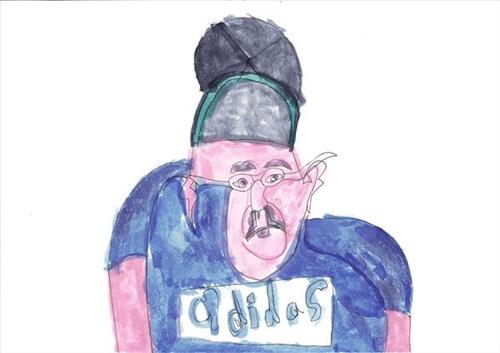
Conway Ginger
220182326357
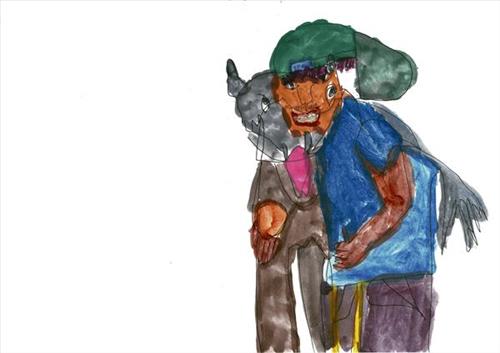
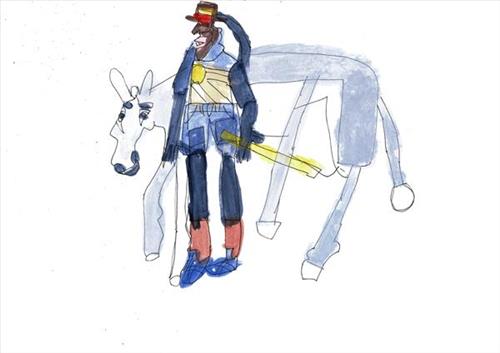
Manny and Horse