111582334024


Fishing in Warralong Creek

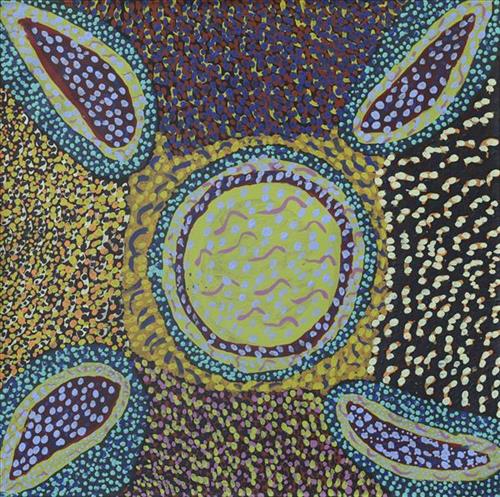
Karntimarta, also known as Warralong community, is an Aboriginal community located 120 kms southeast of Port Hedland within Western Australia’s Pilbara region.  Nestled on the floodplains of several major river systems including Muylie (Coongan River), Shaw River and De Grey River, Karntimarta holds historical significance as a region abundant in essential resources during the pujiman (traditional, desert dwelling) era. These river systems provided reliable sources of drinking water, food, and shelter, and the area featured several well-known camping sites. Though the rivers typically stop flowing during the annual dry season, large water holes (such as Juntinya) remain. These waterholes continue to be popular for swimming, camping, and fishing for barramundi and red snapper.

Karntimarta also has a strong connection to the 1946 Pilbara Strike. The strike, led by Clancy McKenna, Dooley Binbin and Don Mcleod, was staged by Aboriginal pastoral workers demanding fair wages and working conditions. It marked the first major strike by Aboriginal people, and one of the longest strikes in Australian history. Prior to the strike, Aboriginal pastoral workers were ‘paid’ with meagre tobacco and flour rations and clothing allowances, and were forced by law to stay on their station. Following the strike many participants and their families resorted to yandying (panning) for alluvial minerals including tin, tantalite, gold and beryl to support themselves. The Aboriginal ‘Nomads’ group, funded by earnings from yandying, purchased the pastoral lease for both Strelley and Warralong Stations in 1959. A community followed in 1972, with a school being founded in 1976.

Several languages are spoken in Karntimarta, including Nyamal, Kariyarra, Yindjibarndi, Martu Wangka and Nyangumarta, with Nyangumarta being the most commonly spoken and taught at the school. 
115682334354


Woven Mat

Traditionally, Nganiyal (conical mats) were used as an insect screen when erected, and as a sitting mat when folded. They are used in Ceremony as well as a functional item. 

Nowadays, artists weave many different shapes including flat, round and oblong. 

115682334353


Bathi (Pandanus Basket)

Bathi are woven from the split leaves of the Screw Palm (Pandanus Spiralis). Coil weaving was introduced to Arnhem Land in the 1930s. It was adapted from techniques used by Indigenous women throughout South East Australia.

225182334362


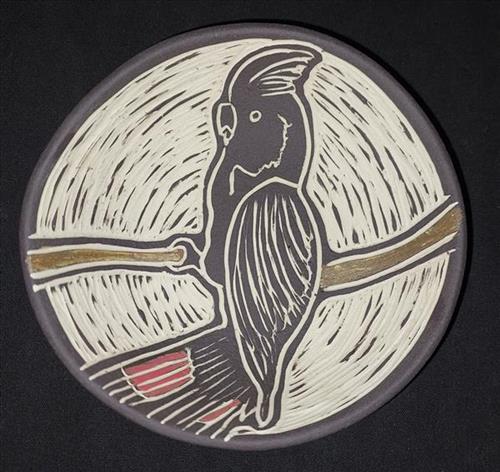
Kadanji (Black Cockatoo)

The black cockatoo is my totem. It has been passed down to me from my grandmother and her sisters, to my mum and her sisters and then it came to me and my sisters.

I use the black cockatoo often in my art not only because it is my Totem but also to thank my grandmother’s sisters (Kae Creek, Leyla Creek and Margaret Rocky). They are artists and I used to watch them when I was a young girl. This inspired me to become an artist myself.

So, the Black Cockatoo shows on a personal level how I honour to these women artists, who came before me and changed my life.

225182334360


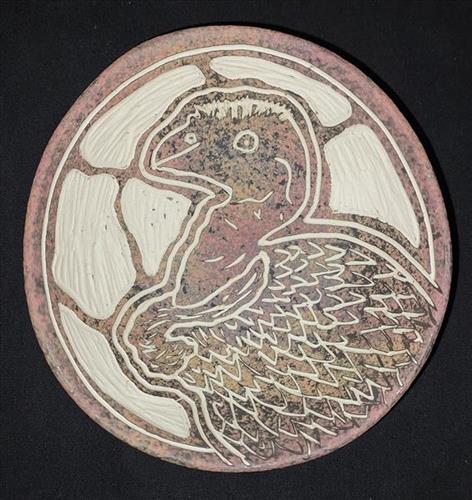
Diwan (Scrub Turkey)

The Diwan (Scrub Turkey) walks the rainforest floor looking for food.

225182334359


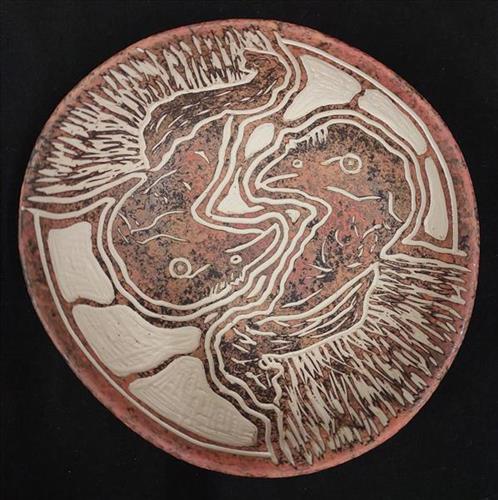
Diwan (Scrub Turkey)

The Diwan (Scrub Turkey) walks the rainforest floor looking for food.

225182334358


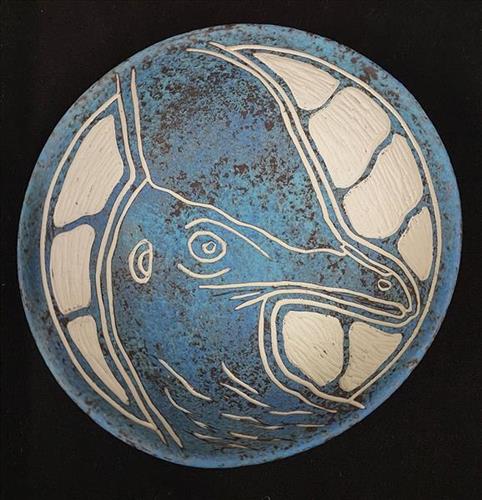
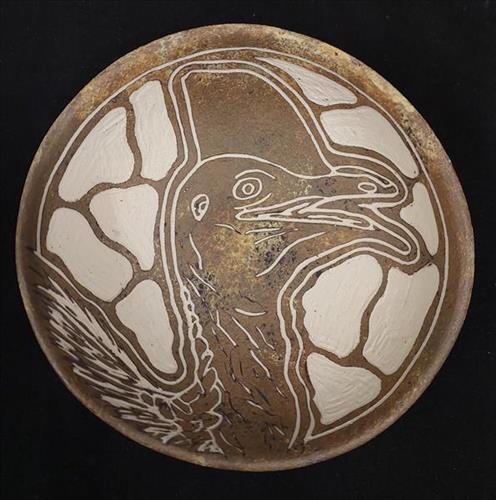
Kurranji (Cassowary)

Long time ago, the cassowary was a precious food source for our ancestors. They ate the meat and the eggs, used the feathers for ceremonies and weaving, and the skins for blankets.  The Cassowary is a powerful Totem for us because it helps growing many plants that were important for food, medicine and tool making. The Cassowary can walk wide distances and spread the seeds of the fruits he eats everywhere. Plants grow also out of his dung.

I show the cassowary in my art because it is also my partner’s totem. He performs the cassowary dance in public ceremonies. It was bestowed on him by his mother’s sister when he was a young boy. In 1997 he went with the Yalanji Dance Group to Hong Kong to perform the Cassowary dance there.”

225182334356


Kurranji (Cassowary)

Long time ago, the cassowary was a precious food source for our ancestors. They ate the meat and the eggs, used the feathers for ceremonies and weaving, and the skins for blankets.  The Cassowary is a powerful Totem for us because it helps growing many plants that were important for food, medicine and tool making. The Cassowary can walk wide distances and spread the seeds of the fruits he eats everywhere. Plants grow also out of his dung.

I show the cassowary in my art because it is also my partner’s totem. He performs the cassowary dance in public ceremonies. It was bestowed on him by his mother’s sister when he was a young boy. In 1997 he went with the Yalanji Dance Group to Hong Kong to perform the Cassowary dance there.”

225182334355


Kurranji (Cassowary)

Long time ago, the cassowary was a precious food source for our ancestors. They ate the meat and the eggs, used the feathers for ceremonies and weaving, and the skins for blankets.  The Cassowary is a powerful Totem for us because it helps growing many plants that were important for food, medicine and tool making. The Cassowary can walk wide distances and spread the seeds of the fruits he eats everywhere. Plants grow also out of his dung.

I show the cassowary in my art because it is also my partner’s totem. He performs the cassowary dance in public ceremonies. It was bestowed on him by his mother’s sister when he was a young boy. In 1997 he went with the Yalanji Dance Group to Hong Kong to perform the Cassowary dance there.”

225182334351


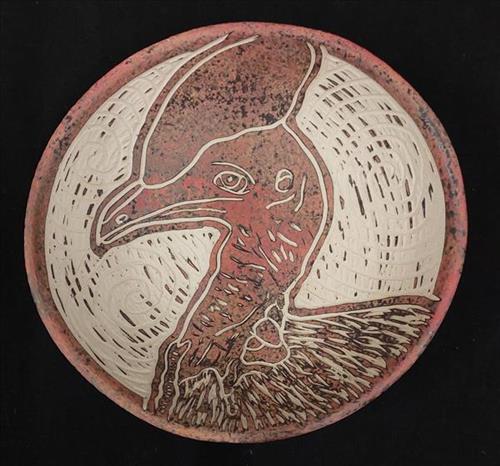
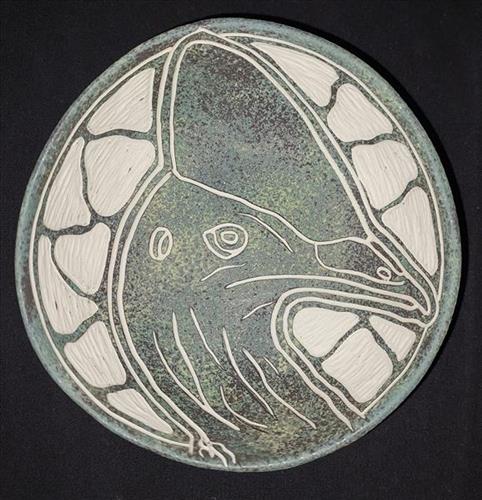
Kurranji (Cassowary)

Long time ago, the cassowary was a precious food source for our ancestors. They ate the meat and the eggs, used the feathers for ceremonies and weaving, and the skins for blankets.  The Cassowary is a powerful Totem for us because it helps growing many plants that were important for food, medicine and tool making. The Cassowary can walk wide distances and spread the seeds of the fruits he eats everywhere. Plants grow also out of his dung.

I show the cassowary in my art because it is also my partner’s totem. He performs the cassowary dance in public ceremonies. It was bestowed on him by his mother’s sister when he was a young boy. In 1997 he went with the Yalanji Dance Group to Hong Kong to perform the Cassowary dance there.”