225182331830
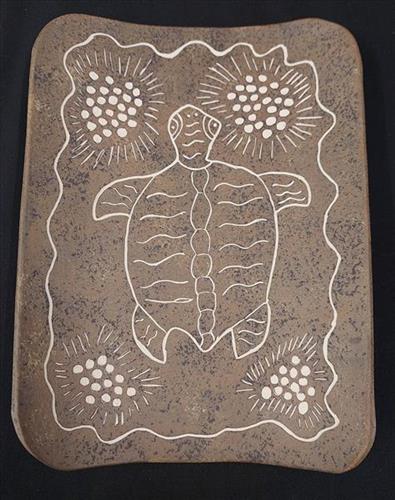
Ngawiya (Sea Turtle)
225182331829
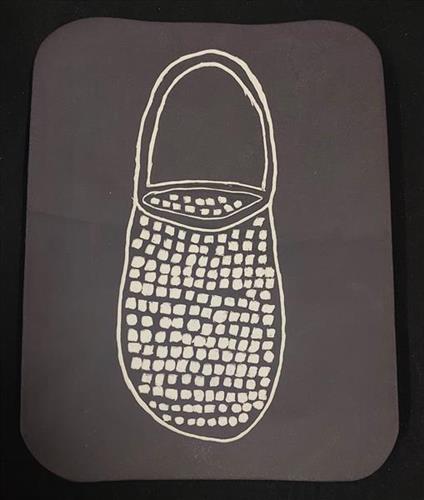
Kakan (Black Palm) Dillybag.
Our ancestors used Kakan (Black Palm) dilly bags to carry food when out hunting and gathering or soak bitter yams in creeks before cooking them. They were also used to hold personal items.
When I was a young girl my grandmother would teach me how to make Black Palm dillybags. We used to set up camp with other Kuku Yalanji women at a creek near Helenvale. It is very hard work. The men would help us cutting down the palm trees and separate the crownshaft from the trunk and the leaves. Then the women used to peel away the outer leaves until they felt strong threads they could pull out. They cleaned these threads from pulp with a mussel shell. When we moved away from Helenvale I forgot how to make them. Luckily years later I asked a relative of mine, Wilma Walker, who is great weaver, if she could refresh my memories. From then on I kept making dillybags as long as my health allowed it. I really enjoyed making them.
225182331828
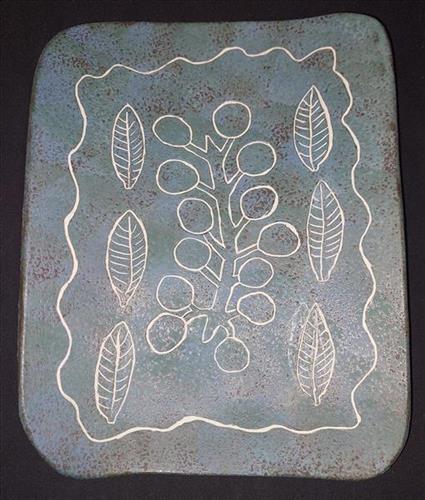
Janbal (Quandong)
Janbal (Quandong) is good bush tucker. We gather the fruit from August to January when they are sweet and soft. The kernel of the fruit is very pretty and we often use it to make body adornments such as necklaces and earrings.
225182331825
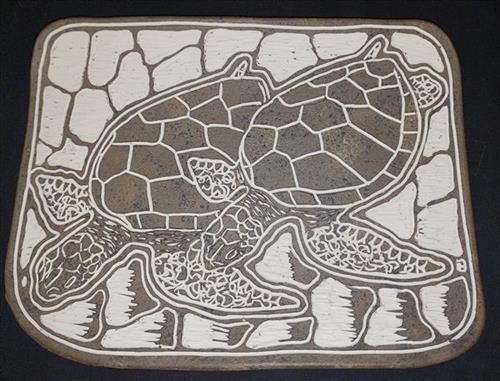
Ngawiya (Sea Turtle)
225182331822
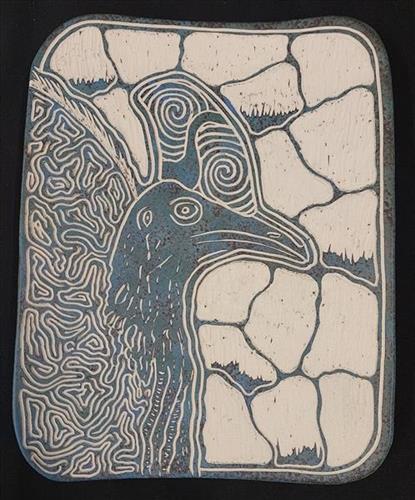
Kurranji (Cassowary)
Long time ago, the cassowary was a precious food source for our ancestors. They ate the meat and the eggs, used the feathers for ceremonies and weaving, and the skins for blankets. The Cassowary is a powerful Totem for us because it helps growing many plants that were important for food, medicine and tool making. The Cassowary can walk wide distances and spread the seeds of the fruits he eats everywhere. Plants grow also out of his dung.
I show the cassowary in my art because it is also my partner’s totem. He performs the cassowary dance in public ceremonies. It was bestowed on him by his mother’s sister when he was a young boy. In 1997 he went with the Yalanji Dance Group to Hong Kong to perform the Cassowary dance there.”
225182331820
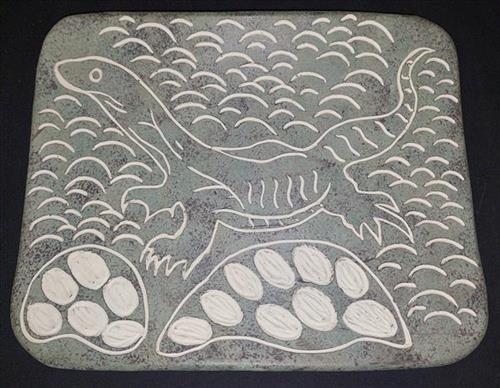
Walkarr (Bush Goanna)
Walkar (Bush Goanna) is found in eastern and western Yalanji land both in rainforest country and inland plains. Walkarr was an important food source to our Kuku Yalanji ancestors. Goannas are great tree climbers and sometimes hard to catch.
Walkarr was hunted with spears and brought back to prepare and cook in earth ovens or over a fire. Once it was cooked it was laid on paperbark and a mussel shell was used to scrape the outside of the skin and to cut up the meat to share. The oil from the Walkarr was also used as a liniment and to make cooking oil.
225182331818
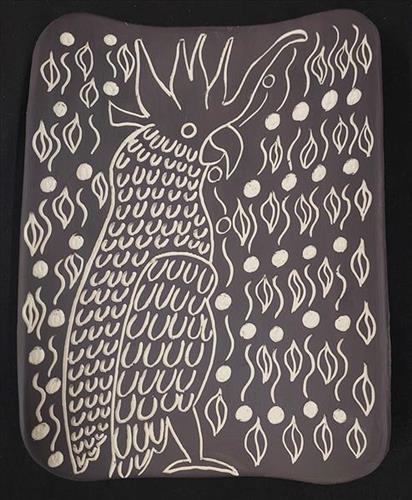
Birmba (White Cockatoo)
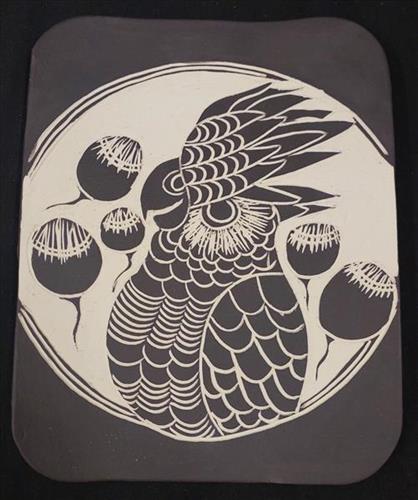
Birmba (White Cockatoo) is my family totem. It has been passed down from generation to generation. They always remind me of my grandfather, my sister and other family members who have passed on. White Cockatoos are like protective spirits for me and my family. They will give you signs. Good signs and signs of danger. They will let you know when to move on.
When I’m out with my grandchildren and there is a white cockatoo, I might say, “that is your grandmother, my sister who is watching us”.
At other times, the spirits of other family members visit us in form of white cockatoos. The White Cockatoo keeps our living and past family connected to each other and to our country. When I’m alone, I know they are around. I speak to their spirit and they give me strength.
225182331816
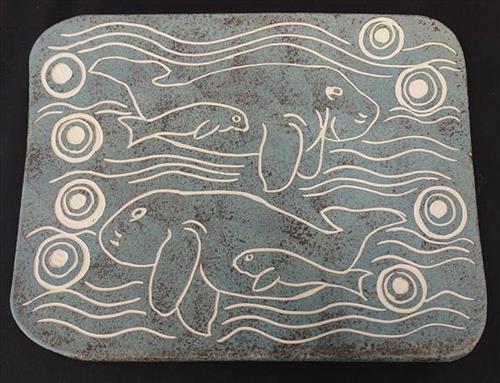
Kirbaji (Dugong)
In the past, Kirbaji (dugong) was an important food source. It was men’s business to hunt dugongs and it was their responsibility to cook and provide the meat to all the families. The meat of the dugong was cooked in an earth oven.
Our ancestors also made oil form the dugong fat. They used the oil for medicinal purposes. They used it for skin and hair treatments. When people had an upset stomach they used the oil as an ointment.