220182349315
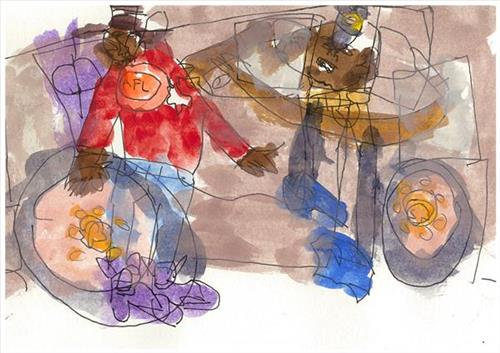
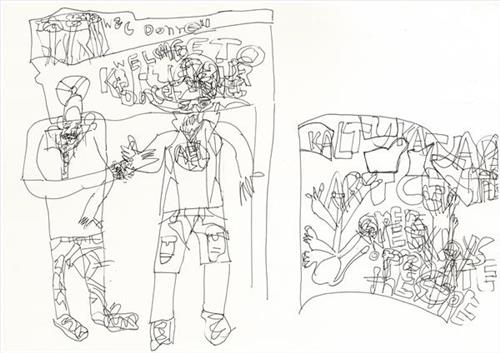
Joseph and Conway Sitting in the Docker River Kaltukatjara Highway
220182349314
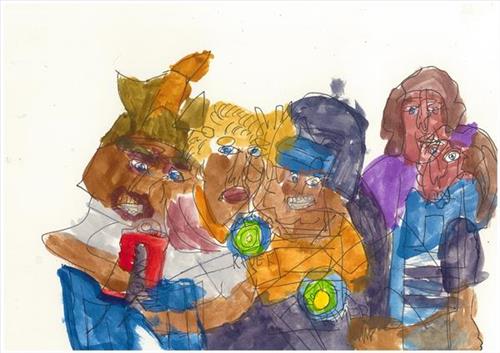
Docker River, Ten Ladies
220182349225
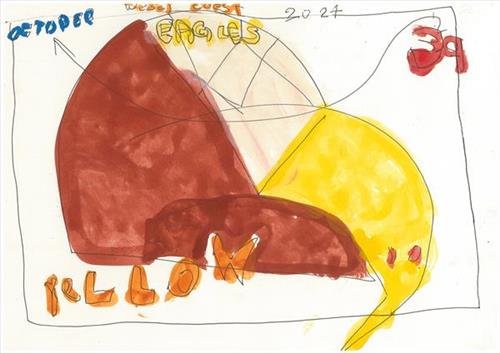
Cake, Conway Ginger, 39
115682349438
Bathi (Pandanus Basket)
Bathi are woven from the split leaves of the Screw Palm (Pandanus Spiralis). Coil weaving was introduced to Arnhem Land in the 1930s. It was adapted from techniques used by Indigenous women throughout South East Australia.

37781064006690
Status: Stock
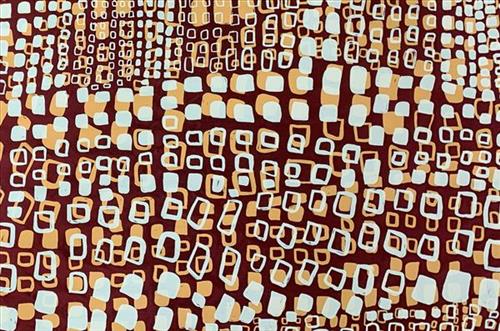
Linygurra (Crocodile) on red silk – Maxine Charlie
Lengths of handprinted screen printed fabric on 100% silk 137cm wide, 210gsm weight
The base fabric is red and is a two-colour print with orange and cream coloured details.
Maxine Charlie is a Yawuru and Bunuba artist based in Broome. She is inspired by the connection and cultural significance between the bundurr-bundurr (pindan land) and the nagula (sea) country.
Linygurra shows the patterns on the skin of the crocodile. Maxine explains that crocodiles are a relatively new visitor to her hometown and they continue to move further and further south in their travels. She is passionate about crocodile education and making people more aware and respectful of their presence.

37781064006689
Status: Stock
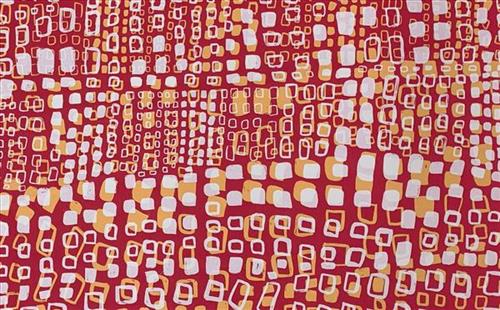
Linygurra (Crocodile) on red linen – Maxine Charlie
Lengths of handprinted screen printed fabric on 100% linen 137cm wide, 210gsm weight
The base fabric is red and is a two-colour print with orange and cream coloured details.
Maxine Charlie is a Yawuru and Bunuba artist based in Broome. She is inspired by the connection and cultural significance between the bundurr-bundurr (pindan land) and the nagula (sea) country.
Linygurra shows the patterns on the skin of the crocodile. Maxine explains that crocodiles are a relatively new visitor to her hometown and they continue to move further and further south in their travels. She is passionate about crocodile education and making people more aware and respectful of their presence.
377810582343228
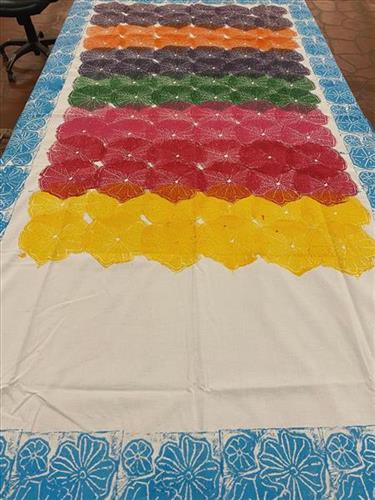
Waterlily
377810582343223
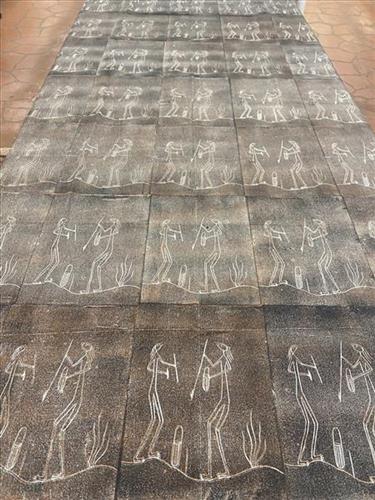
Namurre Boko
A two colour screen print design from 2022. Jay’s first large format design to join the Bábbarra Designs Collection.
‘This is my first one, I’m really happy, I’m proud. It’s just a songline for everybody. This story is from my great great grandfather on my fathers side. The songline was made by my second father. The mimihs tell the story. The painting took a long time, a few weeks to finish.’ Jay Jurrupula Rostron
‘Bini-murreko means two brothers – big brother and little brother.
Two brothers were really strong leaders and good hunters, sharing animals with different tribes.
With those different tribe there were jealousy going on.
Little brother went walkabout and heard the different tribe was talking about his tribe.
They said ngarribin manre djed-djedme bokko
Meaning: will make spear for them
Ngarrbin danj-bun, ngarrbinbun
Meaning: will spear them kill them
little brother turn around went back tell his brother
Namurre bokko kadi marne djed-djedme Karre wonens, kardi-djal danjbun
Meaning: they making spear for us, they gonna spear us
Couple of months they saw different tribe
They changed their attitude
They been bringing lots of animals to them and start asking for women
And that tribe realise that’s how those brothers died.
They kill them
This Why? They got jealous because two brothers was a good hunter.
This story written on the rock art and it stays forever.’
111982348675
Buluwana at Dilebang
The Kuninjku people of Arnhem Land tell of a time when their ancestors suffered a terrible drought. People living in the rocky outlier region near the middle Mann River dug wells to get water until these too dried up. Then they obtained water by cutting the trunks of Melaleuca trees called djidjdjerok which store brackish water inside. When these trees were exhausted, people were surviving only on wild honey. Eventually people died of thirst. The bones of these people are said to be those found in the caves of the escarpment country of Western Arnhem Land in the Mann River district. In the ancestral time of creation was a great drought. During this time Buluwana and her family camped at Ngandarrayo on Kurulk clan land. They were weak from thirst and close to death. The malevolent gigantic form of the Death Adder snake confronted the group. Buluwana attempted to run away with the rest of her family but was crushed and turned to stone. Today an arrangement of rocks standing in the ground remains as Buluwana’s present day form. Only her head protrudes as a prismic standing stone, the rest of her body is under the ground. Other human remains lying on rock ledges are said to be the remains of other early ancestors. This painting is a reference to the very early time, before the people died. It depicts Buluwana superimposed on the background of crosshatching with her kun-madj (dilly bag) and digging stick. She is depicted at a site called Dilebang. Dilebang is regarded as one of the most dangerous and sacred of sites in the Kun-Kurulk clan estate. Travel in the area is undertaken with caution as site custodians are aware of the ancestral power of the area. The billabong at Dilebang is near escarpment country rich in rock art and with a high concentration of sacred sites. The use of rarrk (crosshatching) all over the surface of the bark painting creates a shimmering effect, which imbues the image with a spiritual power.