359709482347131


Dhubu

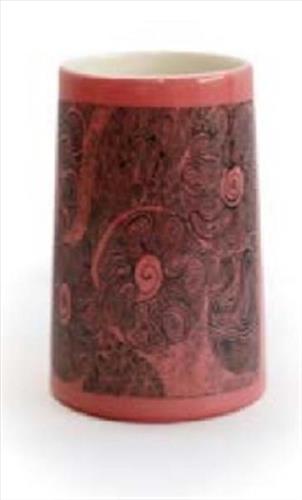
Dhubu, known as Mackerel in the Kalaw Lagau Ya dialect of the Western Torres Strait Islands, holds a special place in my family’s culinary traditions. It was a cherished delicacy as a child, and my family would rise with the dawn, eager to embark on fishing trips for this prized catch. Beyond its significance as a beloved food, Dhubu also represents a vital totem for my mother’s kinship, rooted in the Daureb tribe of Murray Island, nestled in the eastern island group of the Torres Strait. This connection to Dhubu is woven deeply into our heritage, embodying a bond to our ancestral land and culture.
359709482347130


Dhubu

Dhubu, known as Mackerel in the Kalaw Lagau Ya dialect of the Western Torres Strait Islands, holds a special place in my family’s culinary traditions. It was a cherished delicacy as a child, and my family would rise with the dawn, eager to embark on fishing trips for this prized catch. Beyond its significance as a beloved food, Dhubu also represents a vital totem for my mother’s kinship, rooted in the Daureb tribe of Murray Island, nestled in the eastern island group of the Torres Strait. This connection to Dhubu is woven deeply into our heritage, embodying a bond to our ancestral land and culture.
359709482347129


Dhubu

Dhubu, known as Mackerel in the Kalaw Lagau Ya dialect of the Western Torres Strait Islands, holds a special place in my family’s culinary traditions. It was a cherished delicacy as a child, and my family would rise with the dawn, eager to embark on fishing trips for this prized catch. Beyond its significance as a beloved food, Dhubu also represents a vital totem for my mother’s kinship, rooted in the Daureb tribe of Murray Island, nestled in the eastern island group of the Torres Strait. This connection to Dhubu is woven deeply into our heritage, embodying a bond to our ancestral land and culture.
359709482347128


Dhubu

Dhubu, known as Mackerel in the Kalaw Lagau Ya dialect of the Western Torres Strait Islands, holds a special place in my family’s culinary traditions. It was a cherished delicacy as a child, and my family would rise with the dawn, eager to embark on fishing trips for this prized catch. Beyond its significance as a beloved food, Dhubu also represents a vital totem for my mother’s kinship, rooted in the Daureb tribe of Murray Island, nestled in the eastern island group of the Torres Strait. This connection to Dhubu is woven deeply into our heritage, embodying a bond to our ancestral land and culture.
359709482347127


Dhubu

Dhubu, known as Mackerel in the Kalaw Lagau Ya dialect of the Western Torres Strait Islands, holds a special place in my family’s culinary traditions. It was a cherished delicacy as a child, and my family would rise with the dawn, eager to embark on fishing trips for this prized catch. Beyond its significance as a beloved food, Dhubu also represents a vital totem for my mother’s kinship, rooted in the Daureb tribe of Murray Island, nestled in the eastern island group of the Torres Strait. This connection to Dhubu is woven deeply into our heritage, embodying a bond to our ancestral land and culture.
377815582347411


Untitled

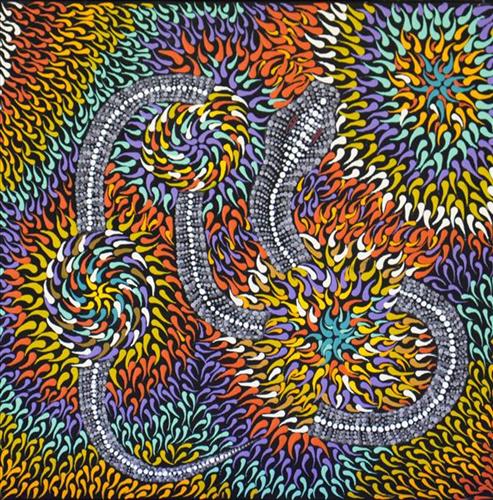
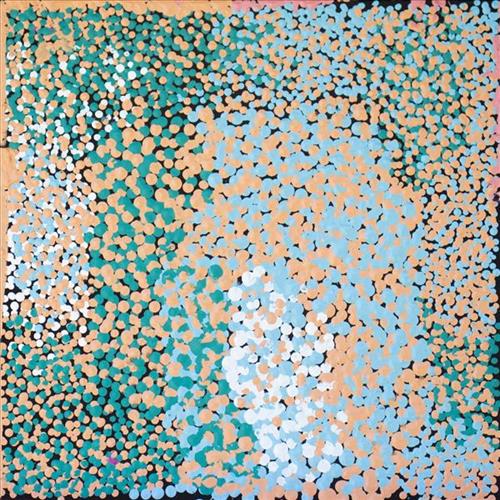
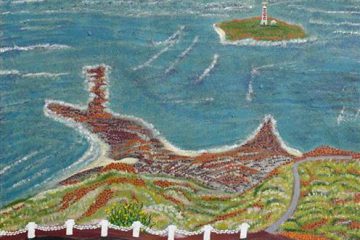
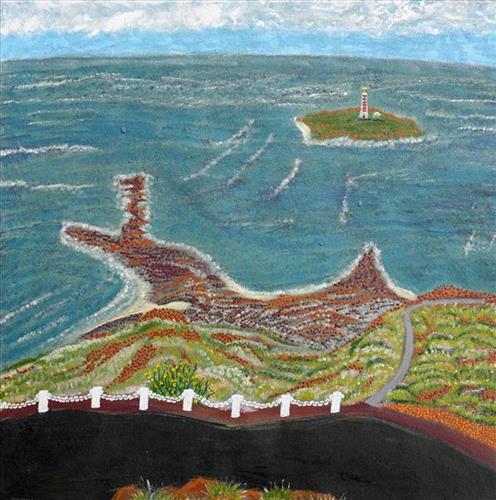
 This artwork showcases the artist’s skillful use of color, texture, and technique, reflecting a deep connection to their environment and culture. Each detail embodies the unique identity of Bidyadanga Artists, where the desert meets the sea, and five language groups—Nyangumarta, Mangala, Yulparija, Juwaliny, and Karrajarri—come together to create art that speaks to the heart of Country. The artist captures the vibrant beauty of both desert and coastal landscapes, blending earthy reds, deep blues, and intricate patterns distinctive to their cultural heritage. The themes and composition invite viewers into the artist’s world, offering a glimpse of the rich, intertwined histories and the enduring connection to land and spirit that define the Bidyadanga community.

377815582347410


Untitled

 This artwork showcases the artist’s skillful use of color, texture, and technique, reflecting a deep connection to their environment and culture. Each detail embodies the unique identity of Bidyadanga Artists, where the desert meets the sea, and five language groups—Nyangumarta, Mangala, Yulparija, Juwaliny, and Karrajarri—come together to create art that speaks to the heart of Country. The artist captures the vibrant beauty of both desert and coastal landscapes, blending earthy reds, deep blues, and intricate patterns distinctive to their cultural heritage. The themes and composition invite viewers into the artist’s world, offering a glimpse of the rich, intertwined histories and the enduring connection to land and spirit that define the Bidyadanga community.