Night time. They travellin’ to see family.
Night time. They travellin’ to see family. Goanna walkin’, alien Standing in light stopping car, spaceship crash, another one takin’ kangaroo.
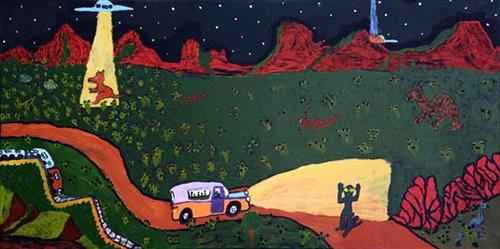
Night time. They travellin’ to see family. Goanna walkin’, alien Standing in light stopping car, spaceship crash, another one takin’ kangaroo.
Djilpin Arts is a not for profit Aboriginal Corporation that promotes the maintenance, development and transmission of traditional cultural knowledge systems.
Djilpin Arts specialises in art, live cultural performance, digital media, and produced the popular performance event – the Walking With Spirits Festival as well as Concerts on Country.
Djilpin Arts operates the Ghunmarn Culture Centre – home of the Blanasi Collection and offers fine arts & crafts for sale. Djilpin Arts operates an outlet in Katherine – Shed 5, where all works are sourced from Ghunmarn Culture Centre. Ghunmarn Culture Centre is in the Wugularr (Beswick) community of South East Arnhem Land.
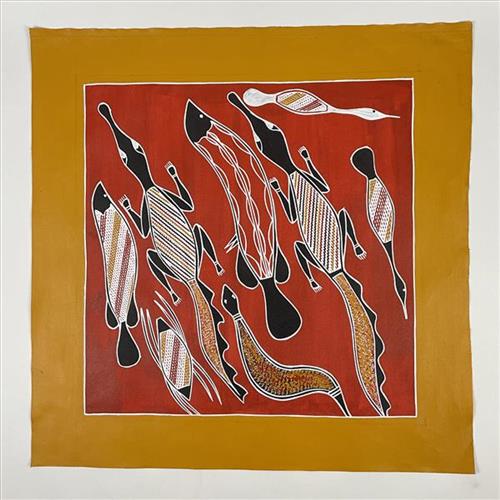
All artworks are made by local artists living in the community. Artwork reflects the traditional songs and stories that have been passed down through the generations with a contemporary edge. Fibre art is a special feature of Djilpin Arts as is its Gapu Series of fine art prints.
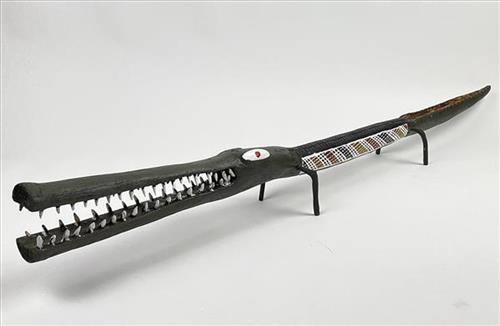
Wood carving has always been part of Aboriginal culture and Djilpin artists continue this tradition. Men carved wood for many purposes – tools for hunting or gathering food, axes and knives for building shelters, spears and clubs for protection of their lives and territory, objects for ceremony and to mark sacred sites.
Hunting implements include the boomerang, woomera and spear. The woomera is a lever which helps to increase the speed and distance the spear travels. Clapsticks are used as percussion instruments by the Songmen to accompany dancing along with the didgeridoo (mago).
As well as the more functional carvings, artists portray animals and birds in wood, and these carvings are often painted. Ceremonial carvings include spirit creatures including mukuy (devil devils) and mimi.
Some fine mimi figures have been cast in bronze.
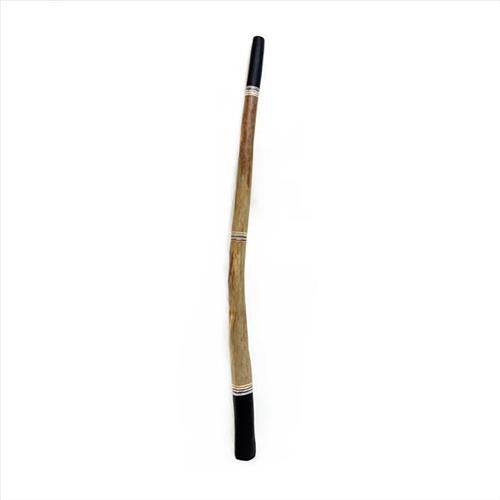
Yidaki have been used instrumentally throughout ceremonial practices for millennia. Made from the Gadayka (Stringy Bark) or Gunurru trees that have been hollowed out by white ants and then cut to size and cleaned out to give the desired sound.
These are used for Bungguls (ceremonies), at Dhapi (initiation) and Maradjirri (exchange rituals).
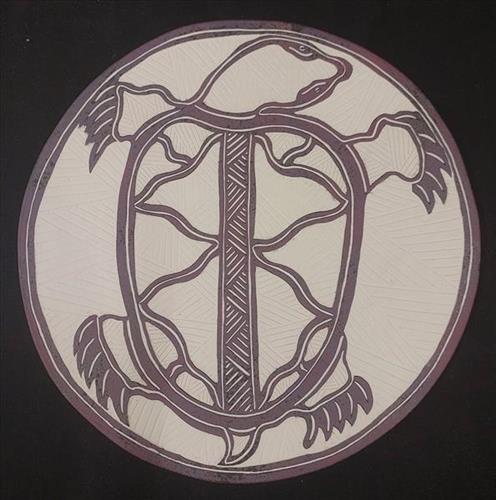
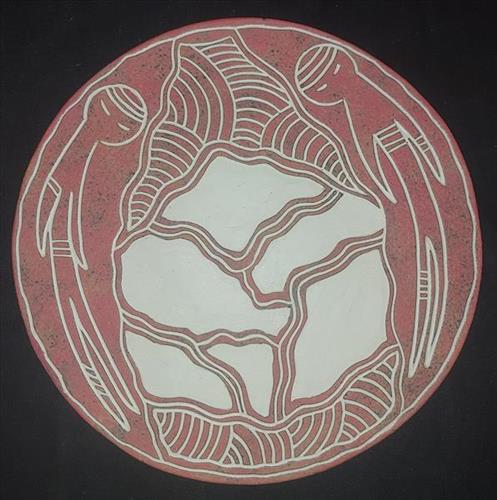
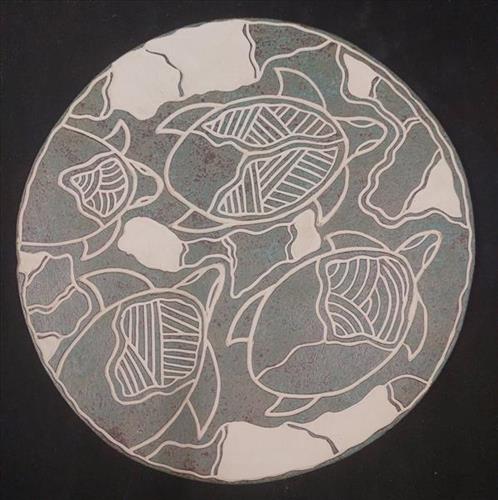
In the past, sea turtles were an important food source for Kuku Yalanji people. Only men were allowed to hunt them. The men were also responsible for cooking them in a ground oven and distributing the meat to all the families.
We ate turtle meat on special occasions such as the birth of a new born baby and during funeral ceremonies. Our ancestors used the shell of sea turtles carrying, storing and serving food as well as making damper.
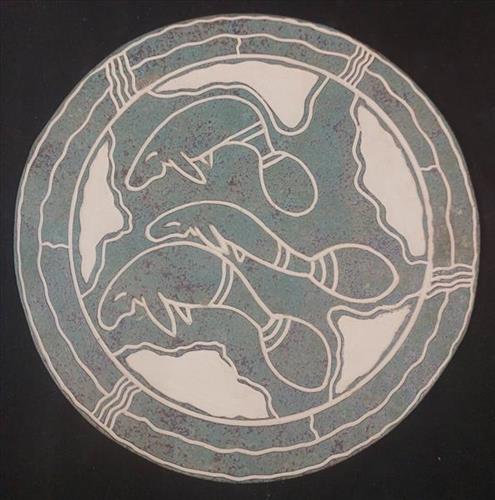
Kirbaji (Dugong) is an Ancestral Spirit Being (Totem) that I inherited it from my mother’s side. It is my Totem. The dugong was also an important food source for my ancestors. Only men were allowed to hunt them, and only men had the right to cook and distribute the meat to all the families. My uncles and cousins showed me how to hunt dugongs and they passed down to me the cultural knowledge about them.
My ancestors used to wrap the dugong meat in ginger leaves for flavour, close the wraps with a vine and cook them in the ground oven. Dugongs were only hunted on special occasions such as births, weddings and funerals to provide food for large family gatherings.Dugong fat was also melted to make oil which was used as a medicine for skin and hair ailments or as ointment to treat an upset stomach.
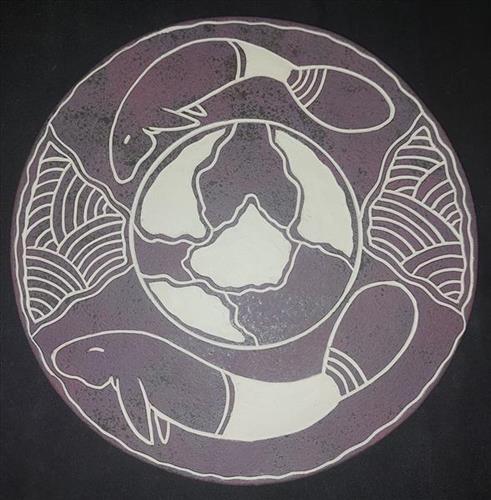
Kirbaji (Dugong) is an Ancestral Spirit Being (Totem) that I inherited it from my mother’s side. It is my Totem. The dugong was also an important food source for my ancestors. Only men were allowed to hunt them, and only men had the right to cook and distribute the meat to all the families. My uncles and cousins showed me how to hunt dugongs and they passed down to me the cultural knowledge about them.
My ancestors used to wrap the dugong meat in ginger leaves for flavour, close the wraps with a vine and cook them in the ground oven. Dugongs were only hunted on special occasions such as births, weddings and funerals to provide food for large family gatherings.Dugong fat was also melted to make oil which was used as a medicine for skin and hair ailments or as ointment to treat an upset stomach.