225182356147


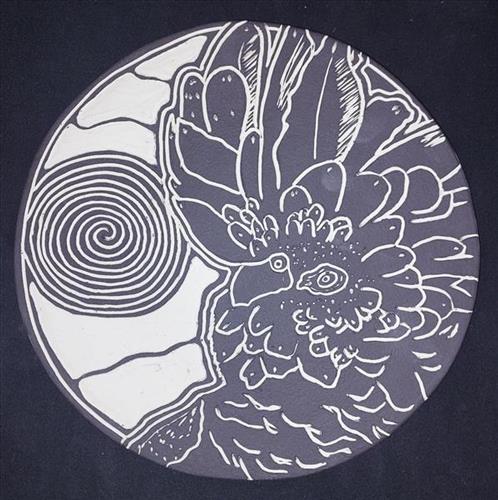
Kadanji (Black Cockatoo)

The black cockatoo is my totem. It has been passed down to me from my grandmother and her sisters, to my mum and her sisters and then it came to me and my sisters.

I use the black cockatoo often in my art not only because it is my Totem but also to thank my grandmother’s sisters (Kae Creek, Leyla Creek and Margaret Rocky). They are artists and I used to watch them when I was a young girl. This inspired me to become an artist myself.

So, the Black Cockatoo shows on a personal level how I honour to these women artists, who came before me and changed my life.

225182356144


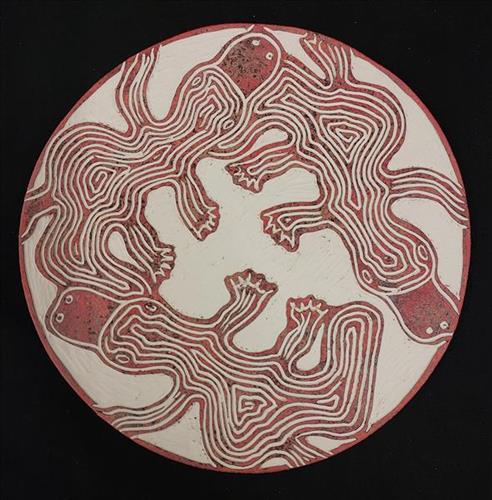
Wambiji (Platypus)

Platypus are very shy. They like to hide under rocks and can rarely be seen when people are around.  When I was 17 years old, I used to go for a swim with my partner, Laurence, in the Mossman River, at a site called Jabuljabul (Girls/Women). Some mornings, a  platypus was coming out of his hiding place, searching for food. He swam around. When he heard us, he swam back to his hiding place until we were gone.

225182356059


Kurriyala (Carpet Snake)

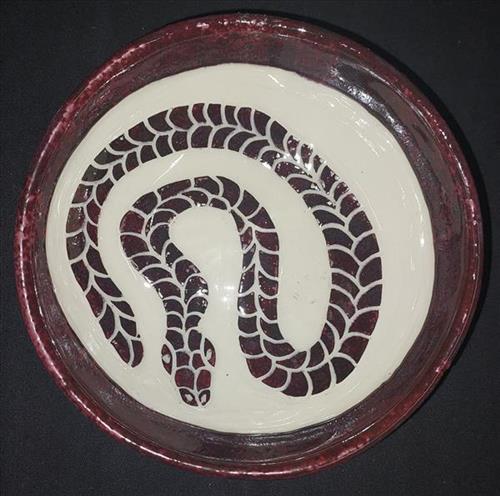
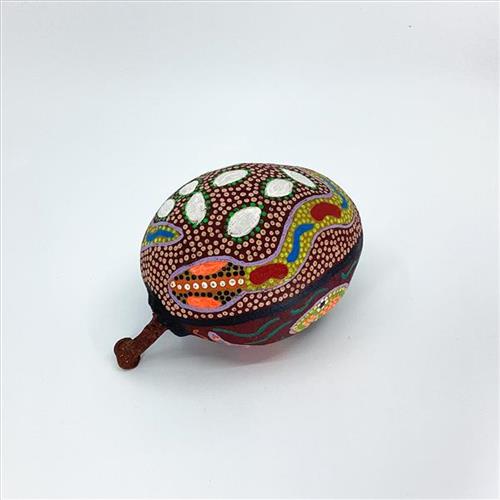
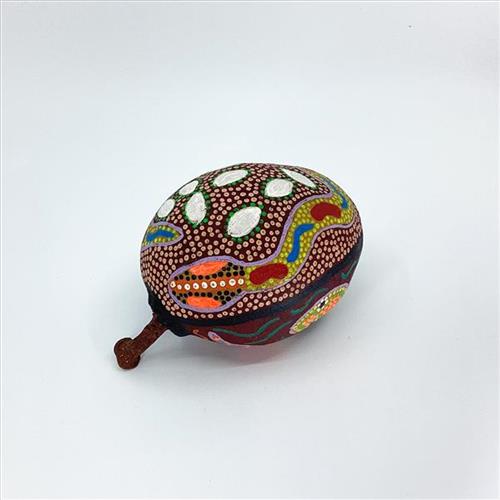
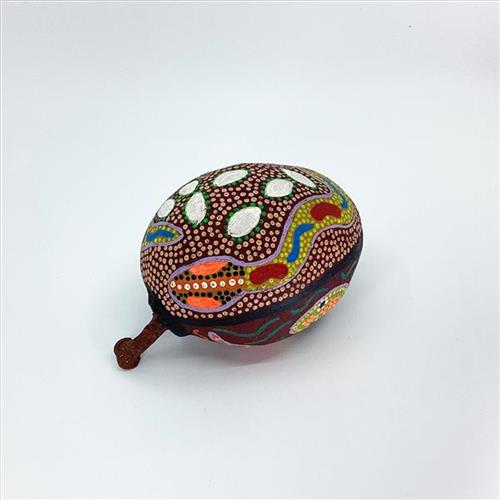
The carpet snake used to be an important food animal for our ancestors. They wrapped the meat in native ginger leaves and cooked it on the hot coals of the ground oven. They also used the skin to make head bands or skillfully sewed blankets to keep the families warm and dry at night.

The carpet snake also has spiritual significance for me.  I inherited the carpet snake Totem and related cultural knowledge from my father’s side. According to our Kuku Yalanji creation stories, the carpet snake was an Ancestral Being that travelled in its human form across the country creating waterways wherever it went, including on my father’s clan lands.

In my upbringing I was taught to respect our elders who prepared me for my future role as carrier of cultural knowledge and spiritual traditions. I was also taught the values of taking responsibility for caring for our traditional clan country and help maintain it for the younger generations so they can become strong leaders.

Art is my way of keeping the cultural knowledge of my ancestors alive and passing it down to my children and grandchildren. Sharing this body of knowledge creates strong family ties and gives me my strength.

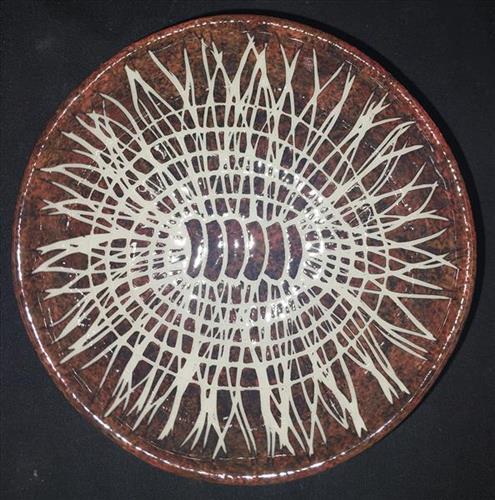
225182356058


Kakan (Black Palm) Basket Weaving

This design shows how the bottom part of a black palm basket is woven. My grandmothers and aunties used to make them. They cut off the young palm leaves in the centre, stripped and scrapped them. Then they would put the strips in freshwater to make them soft and keep them straight for weaving.

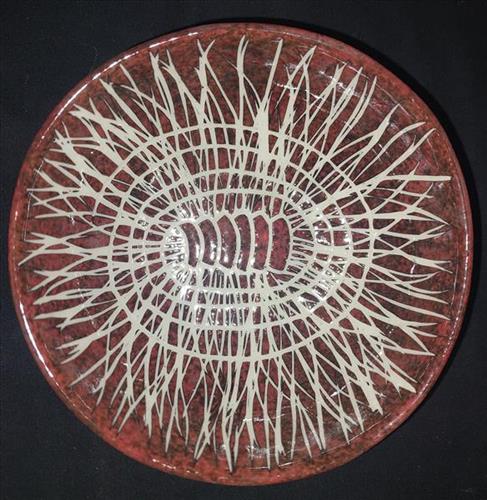
225182356057


Kakan (Black Palm) Basket Weaving

This design shows how the bottom part of a black palm basket is woven. My grandmothers and aunties used to make them. They cut off the young palm leaves in the centre, stripped and scrapped them. Then they would put the strips in freshwater to make them soft and keep them straight for weaving.

22544007220


Status: Stock


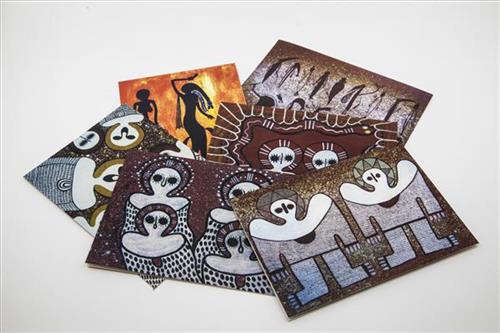
Boxed set of 12 cards (Blank inside)

Each pack contains 12 cards, 2 of each artwork design by Mowanjum Artists

Wandjina & Unguds by Gabriella Barunga

Wandjina is very respected by the people because it gave the law, culture and language. The Unguds represent the dreaming of the people which the Wandjina has given. The Ungud is given before birth to the father or the grandfather through dreams, or come as a living animal. This is considered as a gift from the Wandjina to the parent, the animal becomes a gift to the unborn child in which the child belongs to. Now when the child dies it goes back to being that animal. Today each and every individual has its own animal that belongs to them.

Gyorn Gyorns by Leah Umbagai

Wandjina he created the Earth and all life upon it. After he created the first human beings, the Gyorn Gyorn people. The Wandjina then told the Gyorn Gyorn to work the land and do well. The Gyorn Gyorns were confused and didn’t understand what the Wandjina wanted from them. The Wandjina was annoyed couldn’t control the Gyorn Gyorn. He travelled back to Wallungunder (Milky Way) to where Idjair was and asked if he could help with the creation. More Wandjinas came back and helped him in all areas in creations. As for the Gyorn Gyorns they became hunters and gathers.

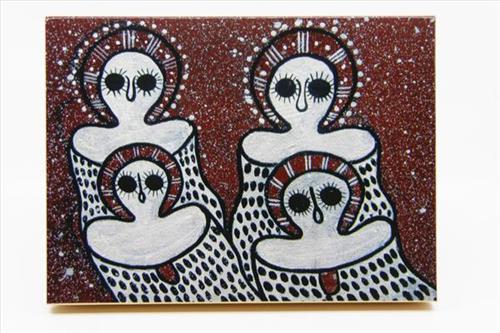
Four Sisters by Donny Woolagoodja

They also show the dancing the traditional dancing amongst our tribes.This Painting represents the Jilinya (Bush Women). The Jilinya she captures the eyes of young and old men. She lures them by giving them whatever they wish to hunt or fish. She then lures them away further and further away by catching and hunting. This makes the man more eager to go back to that same place. Once she has pulled them away as far as she can then she’ll show herself to him. She takes them away and they are never seen again. Women can only hear and smell her but the men see her.

Wandjinas by Kirsty Burgu

The Wandjina spirits are highly respected by the people of Mowanjum and up the Gibb River Road. The Wandjinas brought the law, culture and language to the people. The Wandjina is our identity. We come from the North West Kimberley Region of Western Australia. This is where our Wandjina belong and come from. The Wandjina gave the Law, Culture and Language to the people to abide by. The Customs are carried on today. Where you see a lot of Wandjinas they represent the laws of tree, rivers, rocks, bush fruit and animals all creation. The Wandjinas give the law on how we have to treat and use these creation.

Wandjinas by Regina Karadada

The Wandjina spirits are highly respected by the people of Mowanjum and up the Gibb River Road. The Wandjinas brought the law, culture and language to the people. The Wandjina is our identity. We come from the North West Kimberley Region of Western Australia. This is where our Wandjina belong and come from. The Wandjina gave the Law, Culture and Language to the people to abide by. The Customs are carried on today. Where you see a lot of Wandjinas they represent the laws of tree, rivers, rocks, bush fruit and animals all creation. The Wandjinas give the law on how we have to treat and use these creations.

Gyorn Gyorn by Mildred Mungulu

The Wandjina he created the Earth and all life upon it. After he created the first human beings, the Gyorn Gyorn people. The Wandjina then told the Gyorn Gyorn to work the land and do well. The Gyorn Gyorns were confused and didn’t understand what the Wandjina wanted from them. The Wandjina was annoyed couldn’t control the Gyorn Gyorn. He travelled back to Wallungunda (Milky Way) to where Idjair was and asked if he could help with the creation. More Wandjinas came back and helped him in all areas in creations. As for the Gyorn Gyorns they became hunters and gathers. They also show the dancing the traditional dancing amongst our tribes
22544007130


Status: Stock


Boab Nut

Ngarinyin, Woddorda  (Worrorra) and Wunambal are the three main languages of the North Kimberley language families. The Boab Tree is known by Wurnambal people as Jungurri, in  Woddorda as Jungurim and in Ngarinyin as Jungulan jirri, Larrgari jirri and Malawudi jirri.

Boab or Larrgardi Trees (lt.: Adansonia Gregorii) – is an Australian native species only found in the Kimberley region of Western Australia. They are very recognisable due to their unusual shape – reminding one of a full-bodied bottle. Some trees are more then 1500 years old and can hold more than 100,000 litres of water in their trunks.

Every part of the tree is used either as a food-resource, as medicine or otherwise. Almost every part of the tree is edible from the young leaves and tubers to the internal fruit pods and seeds.

The tree produces beautiful large fragrant yellow flowers. Inside the fruit pod the fruit is naturally dried on the tree itself. This is the only fruit in the world that does this.

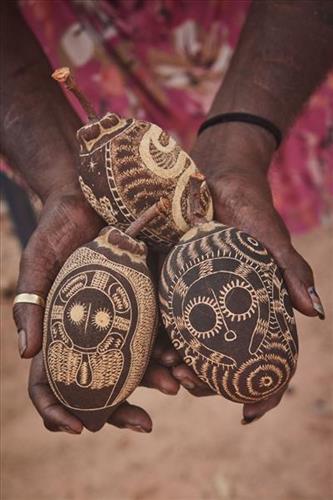
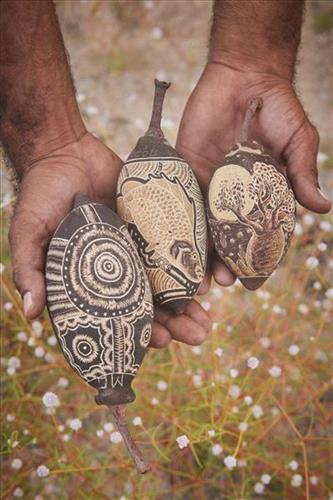
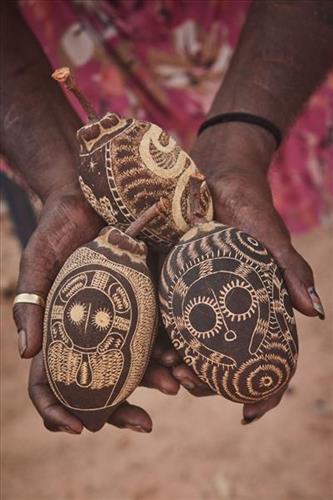
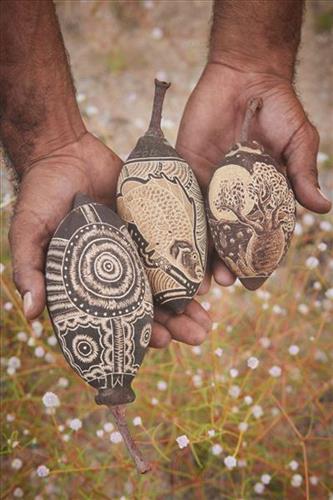
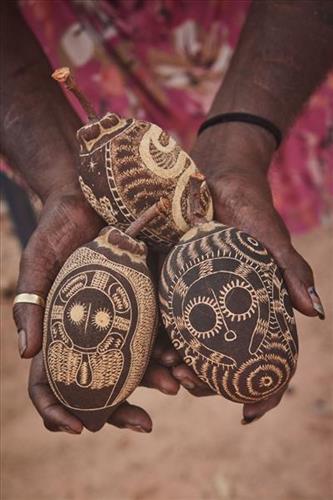
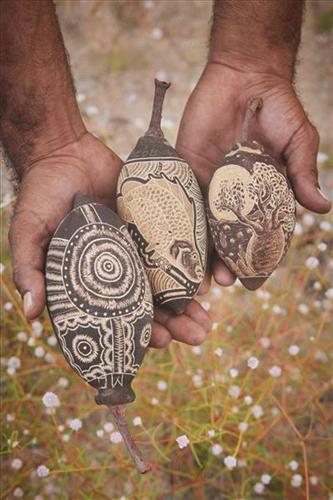
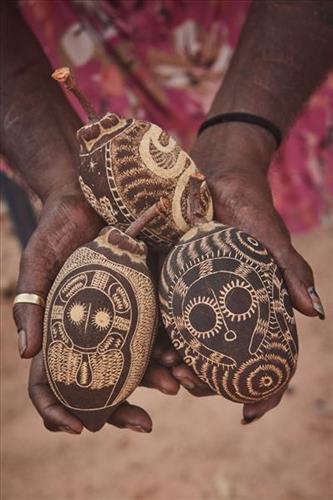
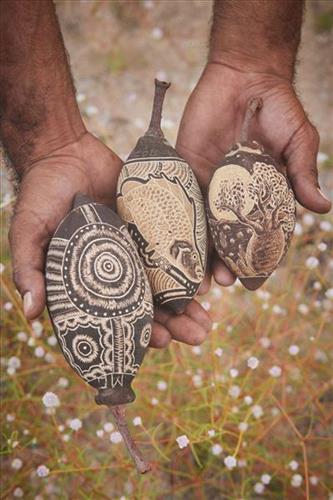
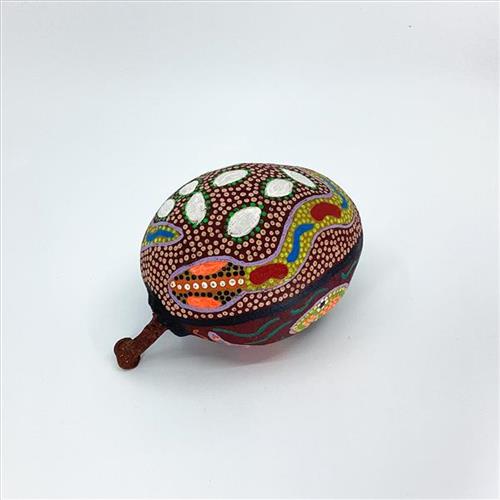
Indigenous artists carve designs into shell of the boab nut or paint it with different designs and children use it as a rattle. The designs on the nuts vary from Wandjina’s to different animals, like the Brolga, turtles, and fish to people’s faces and landscapes.

“Boab nut Carving was a way of expressing ones artistic skills. Aboriginal people across the Kimberley Region of Western Australia was carving along time ago it started with our ancestors.”

22544007129


Status: Stock


Boab Nut

Ngarinyin, Woddorda  (Worrorra) and Wunambal are the three main languages of the North Kimberley language families. The Boab Tree is known by Wurnambal people as Jungurri, in  Woddorda as Jungurim and in Ngarinyin as Jungulan jirri, Larrgari jirri and Malawudi jirri.

Boab or Larrgardi Trees (lt.: Adansonia Gregorii) – is an Australian native species only found in the Kimberley region of Western Australia. They are very recognisable due to their unusual shape – reminding one of a full-bodied bottle. Some trees are more then 1500 years old and can hold more than 100,000 litres of water in their trunks.

Every part of the tree is used either as a food-resource, as medicine or otherwise. Almost every part of the tree is edible from the young leaves and tubers to the internal fruit pods and seeds.

The tree produces beautiful large fragrant yellow flowers. Inside the fruit pod the fruit is naturally dried on the tree itself. This is the only fruit in the world that does this.

Indigenous artists carve designs into shell of the boab nut or paint it with different designs and children use it as a rattle. The designs on the nuts vary from Wandjina’s to different animals, like the Brolga, turtles, and fish to people’s faces and landscapes.

“Boab nut Carving was a way of expressing ones artistic skills. Aboriginal people across the Kimberley Region of Western Australia was carving along time ago it started with our ancestors.”

22544007128


Status: Stock


Boab Nut

Ngarinyin, Woddorda  (Worrorra) and Wunambal are the three main languages of the North Kimberley language families. The Boab Tree is known by Wurnambal people as Jungurri, in  Woddorda as Jungurim and in Ngarinyin as Jungulan jirri, Larrgari jirri and Malawudi jirri.

Boab or Larrgardi Trees (lt.: Adansonia Gregorii) – is an Australian native species only found in the Kimberley region of Western Australia. They are very recognisable due to their unusual shape – reminding one of a full-bodied bottle. Some trees are more then 1500 years old and can hold more than 100,000 litres of water in their trunks.

Every part of the tree is used either as a food-resource, as medicine or otherwise. Almost every part of the tree is edible from the young leaves and tubers to the internal fruit pods and seeds.

The tree produces beautiful large fragrant yellow flowers. Inside the fruit pod the fruit is naturally dried on the tree itself. This is the only fruit in the world that does this.

Indigenous artists carve designs into shell of the boab nut or paint it with different designs and children use it as a rattle. The designs on the nuts vary from Wandjina’s to different animals, like the Brolga, turtles, and fish to people’s faces and landscapes.

“Boab nut Carving was a way of expressing ones artistic skills. Aboriginal people across the Kimberley Region of Western Australia was carving along time ago it started with our ancestors.”

22544007127


Status: Stock


Boab Nut

Ngarinyin, Woddorda  (Worrorra) and Wunambal are the three main languages of the North Kimberley language families. The Boab Tree is known by Wurnambal people as Jungurri, in  Woddorda as Jungurim and in Ngarinyin as Jungulan jirri, Larrgari jirri and Malawudi jirri.

Boab or Larrgardi Trees (lt.: Adansonia Gregorii) – is an Australian native species only found in the Kimberley region of Western Australia. They are very recognisable due to their unusual shape – reminding one of a full-bodied bottle. Some trees are more then 1500 years old and can hold more than 100,000 litres of water in their trunks.

Every part of the tree is used either as a food-resource, as medicine or otherwise. Almost every part of the tree is edible from the young leaves and tubers to the internal fruit pods and seeds.

The tree produces beautiful large fragrant yellow flowers. Inside the fruit pod the fruit is naturally dried on the tree itself. This is the only fruit in the world that does this.

Indigenous artists carve designs into shell of the boab nut or paint it with different designs and children use it as a rattle. The designs on the nuts vary from Wandjina’s to different animals, like the Brolga, turtles, and fish to people’s faces and landscapes.

“Boab nut Carving was a way of expressing ones artistic skills. Aboriginal people across the Kimberley Region of Western Australia was carving along time ago it started with our ancestors.”