22543973253


Status: Stock


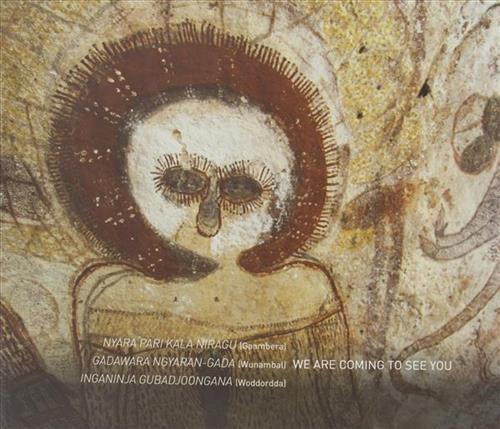
We are coming to see you

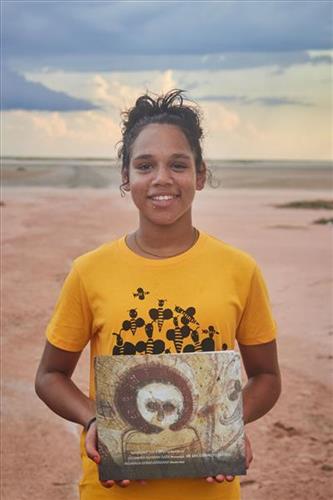
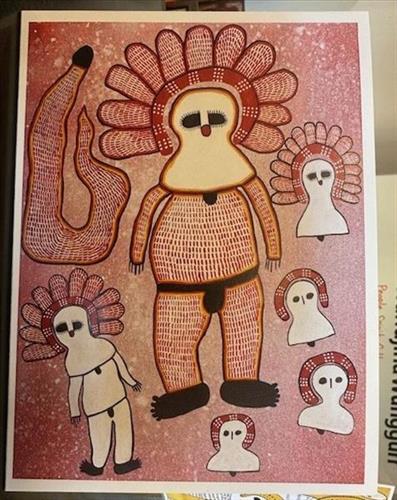
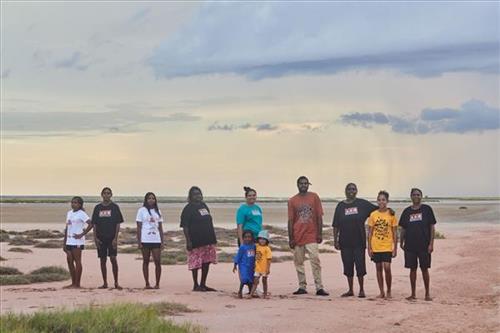
We, the Wunambal Gaambera People are proud to launch our new book which we made together with the Dambimangari people. Our book, We Are Coming to See You, shares our Wangina Wunggurr Culture, the same culture we share with the Willinggin people. 

Our elders have worked together for many years to make this book. This book is their modern way to leave our Wanjina Wunggurr culture story to our children and future generations.

We see, and we are always reminded of our ancestors everywhere in our graa, our country. Lalai is when our Wanjina Wunggurr ancestors created our country many, many, many generations ago and left their images, paintings, memories and stories in caves, in stone, in living things, in seasons, in weather, in fresh and saltwater and in the shapes of our country for our families today to see, read and learn.

Our elders made this book to show that our Wanjina Wunggurr culture, language and history is in our graa country. We can visit, learn and get our cultural strength from it. Our many Wanjinas, our sacred Wunggurr, our Gwion who give us guidance and wunan our ways to live together. Man and woman customs, our knowledge to use and look after all things – bush, animals, birds, fish, plants, water – that our Wanjina Wunggurr ancestors created and left for us today.

22543968064


Status: Stock


Gift Card – single

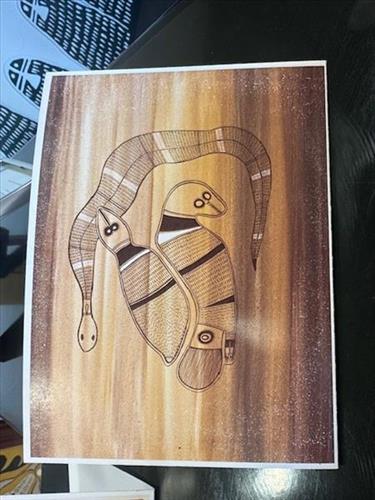
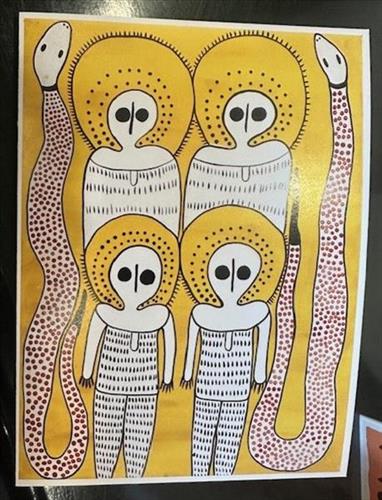
Leah Umbagai Ungud (snake)

The Ungud Snake story is about two young boys who didn’t listen to their elders or believe in them. There is a big waterhole an in it lies a large Ungud Snake. The old people told the kids not to go near that waterhole, but these boys thought the elders were tricking them so they wanted to find out for themselves. So they went to the waterhole and built a hideout from branches with small holes so that they can see ( just in case the elders told the truth) they looked at the billabong and it was calm. They banged two sticks together to make clapping noise and then they saw all the lilypads starting to move apart on the water and large logs came up from out of the water, then came bubbles and after a huge head coming out of the water to have a look around for who had been making all the noise. He hadn’t seen annone so he went back down and the lilypads went flat and the water went calm. Those two boys ran back to the camp and told the elders that they were right , there was a snake and the elders told them that they should have listened in the first place. The Ungud Snake also was the chosen animal in helping with the creation of mother earth, creating rivers, gorges, stream’s and helped with the formation of the earth. Still today it lives in these dark deep water hole’s in our country which doesn’t want to be disturbed.

Kallum Mungulu Wandjina & Ungud

The Wandjina is the creator spirit that belongs to us (the Wororra, Ngarinyin and Wunumbul people). He is the one that created everything, he also gave us our culture, law and songs and even the dreaming of each child before they are born.

The Ungud Snake story is about two young boys who didn’t listen to their elders or believe in them. There is a big waterhole an in it lies a large Ungud Snake. The old people told the kids not to go near that waterhole, but these boys thought the elders were tricking them so they wanted to find out for themselves. So they went to the waterhole and built a hideout from branches with small holes so that they can see ( just in case the elders told the truth) they looked at the billabong and it was calm. They banged two sticks together to make clapping noise and then they saw all the lilypads starting to move apart on the water and large logs came up from out of the water, then came bubbles and after a huge head coming out of the water to have a look around for who had been making all the noise. He hadn’t seen annone so he went back down and the lilypads went flat and the water went calm. Those two boys ran back to the camp and told the elders that they were right , there was a snake and the elders told them that they should have listened in the first place. The Ungud Snake also was the chosen animal in helping with the creation of mother earth, creating rivers, gorges, stream’s and helped with the formation of the earth. Still today it lives in these dark deep water hole’s in our country which doesn’t want to be disturbed.

Gordon Barunga Rimmijbudda & Ungud (rain and cloud spirit & totem)

Rimijbudda is a powerful Wandjina from the Wanumbul country. Gordon Barunga says: “He’s from my mother’s side – Wanumbul, Hunter River, on the sea side from Kalumburu. He’s a thief, steals shells and any sorts of things. Rimij means ‘robs’.” Rimijbudda’s exploits as a thief are part of his identity: he used to take from the other Wandjinas when they were hunting or fishing. He would then run away with their wives. Jugalimurra (another Wanumbul Wandjina) works for Rimijmurra by the sea. As in nearly all depictions of Wandjinas, Jagulimarra and Rimijmurra lack mouths. Pudja (Gordon’s mother) explains that when the Wandjinas send rain, they make the sound of thunder through their nostrils, but they lack mouths so that it won’t rain too hard. The Ungud snake is the one that made the rivers and holds water. If they are disturbed then they will kill whoever disturbs them.

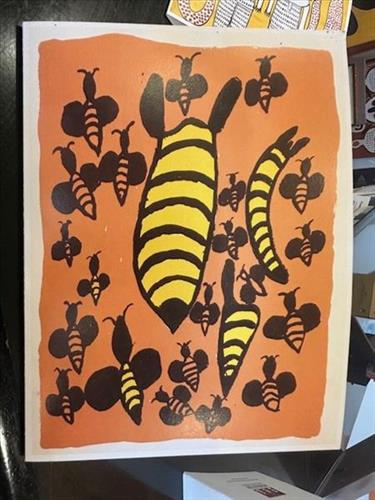
 Gudu Mungulu Waanungga (sugar bag)

Gudu Mungulu often paints Waanugga, which is a word that describes various forms of bush honey. The hives in which honey is stored are called ‘Sugarbag’, and can be found in trees and in termite mounds. The Wandjinas keep the countryside fresh and healthy which allows the native bees to produce high quality honey in Gudu’s homeland. Gudu’s name ‘Guduwolla’ is Ngarinyin for a particular tree which is favoured by Kimberley honey-flies. It’s white pollen is conspicuous from August until September, and is the main source of bush sugar in The Kimberley.

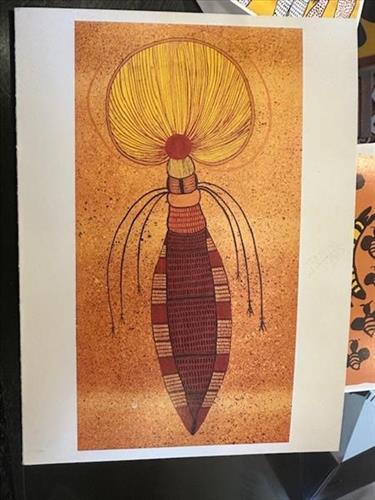
Cecilia Umbagai Didnyjinygee (Dragonfly)

“This painting represents the Dragonfly, it shows us and tells where freshwater can be.”
22543968060


Status: Stock


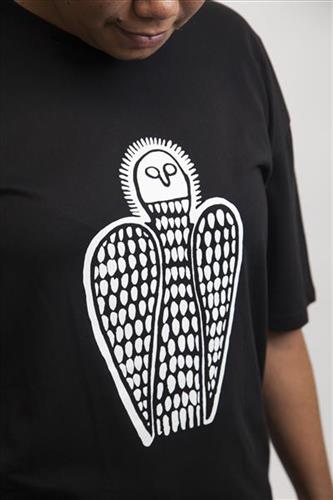
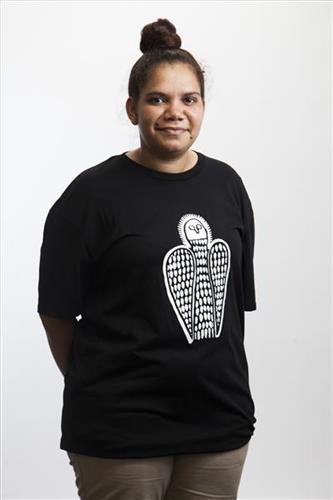
Dumbi the Owl by Francis Dolby Budgy, T-Shirt Black

The Wandjina is the creator spirit that belongs to the Wororra, Ngarinyin and Wunumbul people. He is the one who created everything, gave us our culture, law and songs and even the dreaming of each child before they are born. The Dumbis belong to the Wandjina and nobody can make fun or kill them, because the Wandjina will send a big rainstorm just like in the flood story. The Ungud snake is the one that made the rivers and holds water. If they are disturbed then they will kill whoever disturbs them.


Product Details:

100% combed cotton, from AS Colour.


22543968047


Status: Stock


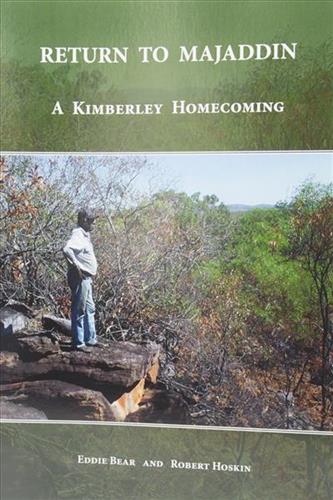
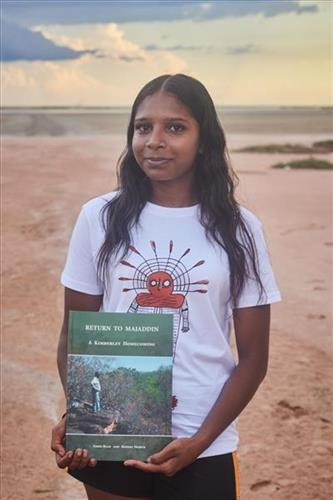
Return to Majaddin

Ngarinyin Elder and community leader, Eddie Bear shares his family story with Dr Robert Hoskin, researcher and retired minister of the Uniting Church. The story begins with life in the remote land of Majaddin in the West Kimberley and continues through colonialist incursions as Eddie’s family took refuge at the Munja Aboriginal feeding station on the Kimberley Coast. Following Munja’s demise, the family joined with other Ngarinyin families working on pastoral stations (Kimberley Downs and Napier). Eddie and his siblings grew up on these stations and would later seek work in this developing industry. Social disruptions in the pastoral industry forced the family to move to Derby and the nearby Aboriginal community of Mowanjum. Eddie worked on Mowanjum’s new lease and cattle station of Pantijan, near Munja, before continuing to work on other pastoral stations. He and his family later returned to Mowanjum where he became chairperson of their council for many years. Eddie is a recognised leader, assisting the community as they engage with the challenges of the late twentieth and early twenty-first centuries.

«

22543968036


Status: Stock


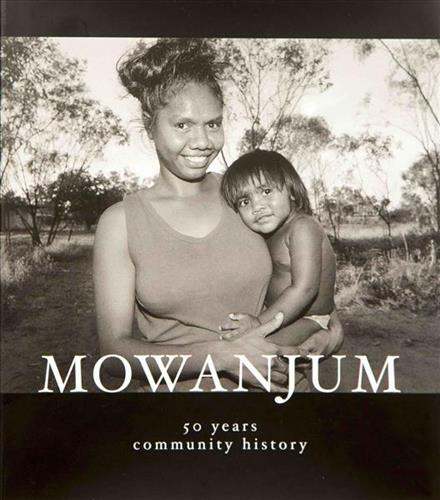
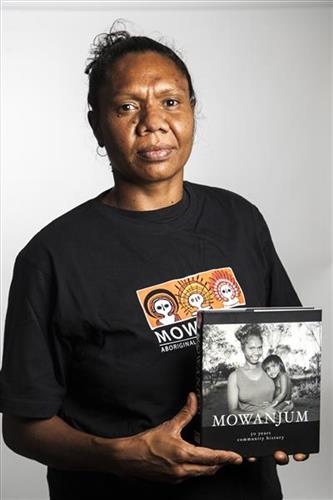
Mowanjum 50 years

Mowanjum Aboriginal Community decided to share their stories and Wandjina traditions in this lively and richly illustrated book. It tells of their journey from their homelands in the north Kimberley to Derby where Worrorra, Ngarinyin and Wunambal peoples established Mowanjum Community in 1956. Historical photographs were selected by senior men and women for the stories they tell, and to rescue them from the anonymity of archives thousands of kilometres from their community. Songs, myths, stories and poems from past. and present community members have been combined with over 100 photographic images of contemporary community members. The book is a commemoration of the strength of spirit of past community members and an expression of confidence in the future.

2254375


Status: Stock


Jigeengadi bush camp

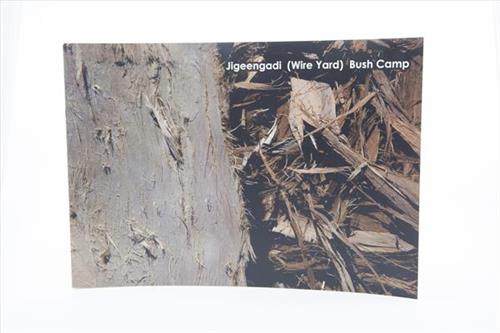
“This is a community book about the week long sustainable harvesting bush camp that was held in June 2006 at Jigeengadi (Wire Yard) on Gibb River pastoral station. It shows pictures of how we made things, some of the trees and barks and their language names. It also lists some sustainable harvesting techniques that we talked about in workshops. The reason we had the camp was to get out on country for seven days to share knowledge and culture. It was a chance to talk about using trees, barks and plants to make traditional objects and bark paintings for commercial enterprises. … There were 65 people at the camp from all three language groups, Ngarinyin, Worrorra and Wunambal.”

221381445180


Two Goannas

Djilpin Arts is an Aboriginal Corporation that promotes the maintenance, development and transmission of traditional cultural knowledge systems. Djilpin Arts specialises in live cultural performance, digital media, and produces the annual performance event – the Walking With Spirits Festival. Djilpin Arts also operates the Ghunmarn Culture Centre – home of the Blanasi Collection and fine art & craft for sale. Djilpin Arts also operates a cafe/gallery in Katherine where all works are sourced from the Ghunmarn Culture Centre. The Ghunmarn Culture Centre is in the Wugularr (Beswick) community of South East Arnhem Land. All artworks are made by local artists living in the community. Artwork reflects the traditional songs and stories that have been passed down through the generations for thousands of years.