225182355905


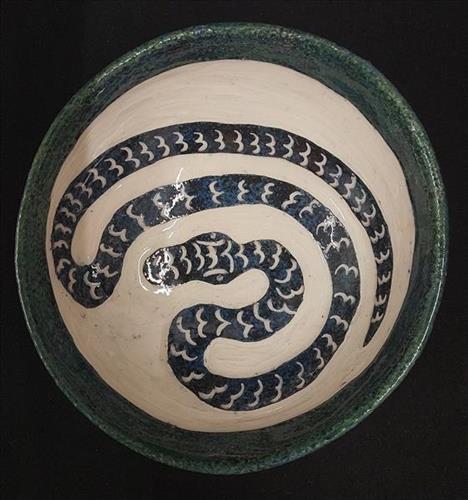
Kurriyala (Carpet Snake)

The carpet snake used to be an important food animal for our ancestors. They wrapped the meat in native ginger leaves and cooked it on the hot coals of the ground oven. They also used the skin to make head bands or skillfully sewed blankets to keep the families warm and dry at night.

The carpet snake also has spiritual significance for me.  I inherited the carpet snake Totem and related cultural knowledge from my father’s side. According to our Kuku Yalanji creation stories, the carpet snake was an Ancestral Being that travelled in its human form across the country creating waterways wherever it went, including on my father’s clan lands.

In my upbringing I was taught to respect our elders who prepared me for my future role as carrier of cultural knowledge and spiritual traditions. I was also taught the values of taking responsibility for caring for our traditional clan country and help maintain it for the younger generations so they can become strong leaders.

Art is my way of keeping the cultural knowledge of my ancestors alive and passing it down to my children and grandchildren. Sharing this body of knowledge creates strong family ties and gives me my strength.

225182355904


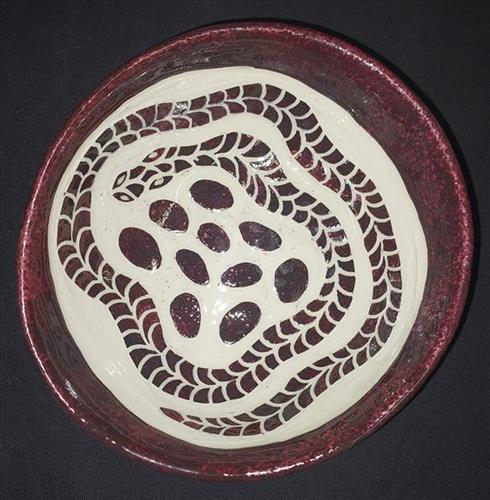
Kurriyala (Carpet Snake)

The carpet snake used to be an important food animal for our ancestors. They wrapped the meat in native ginger leaves and cooked it on the hot coals of the ground oven. They also used the skin to make head bands or skillfully sewed blankets to keep the families warm and dry at night.

The carpet snake also has spiritual significance for me.  I inherited the carpet snake Totem and related cultural knowledge from my father’s side. According to our Kuku Yalanji creation stories, the carpet snake was an Ancestral Being that travelled in its human form across the country creating waterways wherever it went, including on my father’s clan lands.

In my upbringing I was taught to respect our elders who prepared me for my future role as carrier of cultural knowledge and spiritual traditions. I was also taught the values of taking responsibility for caring for our traditional clan country and help maintain it for the younger generations so they can become strong leaders.

Art is my way of keeping the cultural knowledge of my ancestors alive and passing it down to my children and grandchildren. Sharing this body of knowledge creates strong family ties and gives me my strength.

225182355902


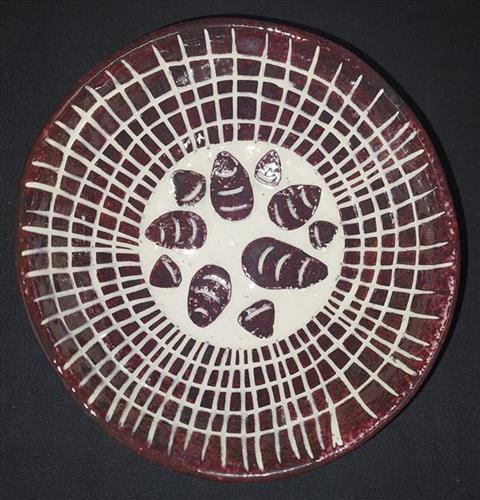
Yulba (Saltwater Mussel)

The Yulba (Saltwater Mussel) is a favourite food in my family. We gather the shells from the mangroves and either cook them in the fire at the beach or take them home. I learned how to find them when I was a little girl and now I am teaching my own children.

225182355900


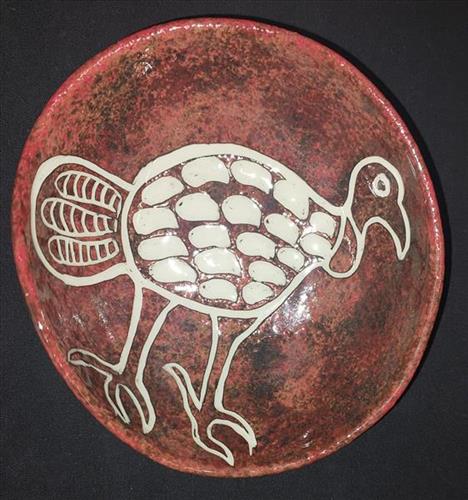
Diwan (Scrub Turkey)

Diwan are bush food – an important source of meat. We also eat the eggs. They are a delicacy. The male bird looks after the nest and will not go far, as he has to protect the nest from bush goanna’s. If they come around, he will send out an alarm call to other Diwan to alert therm. The nesting time for Diwan is September to December. The bush goanna knows when the eggs will be ready to hatch. When the goannas start hanging around, this is a good sign that the eggs are ready. We dig for eggs with digging sticks or by hand. The nest is very deep and when you can feel the warmth with your hands, you know that the eggs are close-by. The eggs are very good for health and make you strong.

221282355877


Piltati

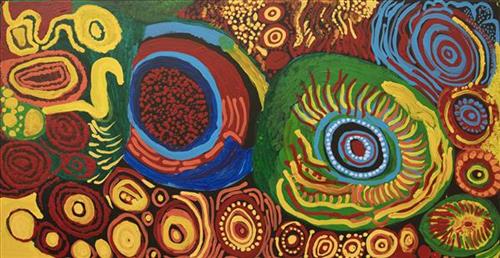
There were two sisters who married two brothers and they all lived together. One day the women went wandering and they went such a long way that they forgot about their husbands. Back at the camp, the two husbands were thinking, ‘Where are our wives?’ and they decided to go looking for them. One brother said to the other, ‘What should we become to go looking for them?’ and the other brother said ‘Why don’t we become Rainbow Serpents?’ And they travelled in the sky looking down for their wives. Finally they see them hunting for carpet snakes and they put something in the hole where the women were digging. The women find it and then dig another hole and once again the men have put something in there. And this is how the men lure the women back to Piltati where the men make the sisters transform into Wanampi, swallow them and keep .them in their throats. All four of them live together in the waterhole and still live there today.

221282355871


Margaret’s Father’s Country

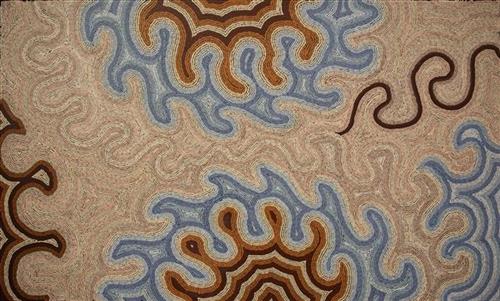
My father’s place is Mt. Liebe, sandhill country.  The Wanapi rests there under the surface of the creek.  When we go to visit that country, the Wanapi stirs underneath the ground and bubbles rise up in the water.  He is there to protect that place.  We speak to that Wanapi in our language and he knows then that it is us. It’s okay for us to be there and the bubbles settle back down.  Close to this creek is where the Arkaryi women are sitting.  This is an important women’s site.  I can’t speak too much about that, as it would be dangerous to disturb those women.

221282355856


Jeffrey’s Birds

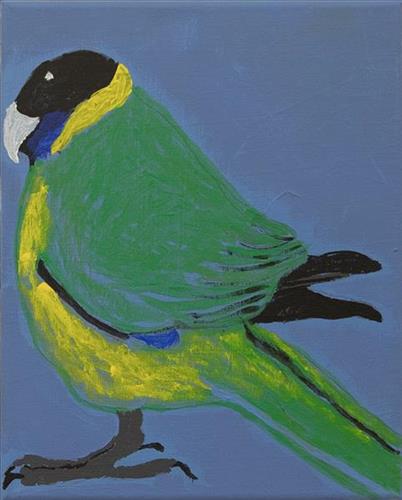
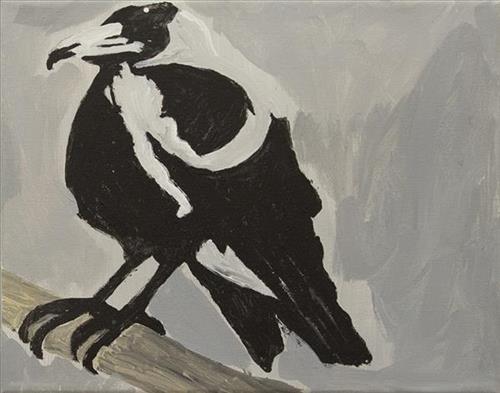
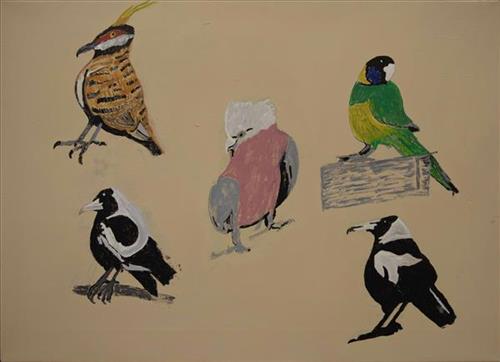
Jeffrey paints his favourite birds that live in the country around Ernabella. These include the kuparu (magpie), partilpa (Port Lincoln ringed neck parrot), kayarkiyarpa (galah), tjintir-tjintirpa (willy wag-tail), piil-piilpa (yellow throated minor) and kuurkuurpa (owls).


.

221282355853


Jeffrey’s Birds

Jeffrey paints his favourite birds that live in the country around Ernabella. These include the kuparu (magpie), partilpa (Port Lincoln ringed neck parrot), kayarkiyarpa (galah), tjintir-tjintirpa (willy wag-tail), piil-piilpa (yellow throated minor) and kuurkuurpa (owls).


.

221282355846


Jeffrey’s Birds

Jeffrey paints his favourite birds that live in the country around Ernabella. These include the kuparu (magpie), partilpa (Port Lincoln ringed neck parrot), kayarkiyarpa (galah), tjintir-tjintirpa (willy wag-tail), piil-piilpa (yellow throated minor) and kuurkuurpa (owls).


.