220982352405


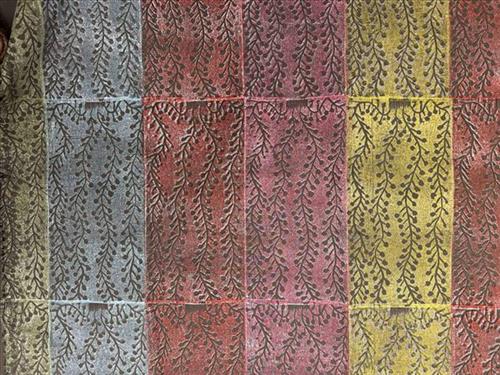
Elizabeth Ngwarraye Bonney – My Grandmothers Country

I still hunt my Grand Mothers country for goanna, bush medicine and yams.

I hunt all year round, hunting and walking through the country makes me happy.  When I look at the distant hills I can feel my grandmother.  Bush flowers are everywhere.

Painting and printing my grandmother’s country reminds about those times.

115682352154


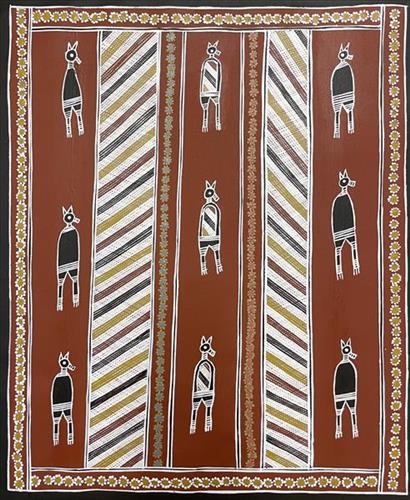
Warrnyu Dhawu (Flying Fox Story)

Back in the Creation time, Warrnyu (Flying Foxes) once lived, like men, in the cave at the place called Kurrki Warrnyu Yirri Djaringal (they also lived in caves called Wadatilmurr & Gurngurmirrngu). Warrnyu lived in these caves for many years and then one day Djanyarr (The Dog), an ancestral being in the form of a man, came along. He was looking around for a place to live. Djanyarr heard the sound of a Flying Fox screaming. He went down to the cliff and pushed the rock and the water came out at the Ganalbingu place called Gurrkawakarrmurr. He then went into the cave and into the sacred hole, frightening all the Flying Fox away. When he went into the hole he left his dilly bag in the tree and went out on the other side of the sacred cave and leaving his spear and woomera. He sat there for a long time. The Dog made three streams and the water went inside the cave. Two of these streams are good drinking water. In the middle it is a sacred water. No-one drinks from the middle of the stream. Children, men, women, young boys or girls are not allowed to drink from the middle of the stream. If they drink the water from the middle of the stream they will go grey too early.

At Kurrki Warrnyu Yirri Ngilaya Djaringal, the Flying Fox made himself into a young man… that’s what Aboriginal people do today. They have ceremonies and dances to make the young boys into men. The songs are called Yirrarwu, Gulumu, Rruburra and Burryun. Dhapi (initiation ceremony) happen today because the Warrnyu (Flying Fox) people performed them a long time ago before the Yolngu people. It was the Warrnyu people who first performed circumcision of the young boys to make them into men. It all happened at Kurrki Warrnyu Yirri Ngilaya Djaringal, this is how this place got its name.

Leaving behind the cave at Kurrki Warrnyu Yirri Djaringal, the Dog travelled west across the Arafura Swamp and came to Djalkulmurr (Mount Delight). From there he travelled north and came to Dunganda (a hill situated a few kilometres east of Ramingining). There he met a female Dog, then they both headed north and came to a place called Garanydjirrmurr where they spoke the Mildjingi language. From Garanydjirrmurr they changed their direction and went west through Guliny’barra, Burgumara and onto the plains. When they reached the plains they smelled something cooking, way up in the north – at Wessel Islands. The aroma they smelt was so enticing that they decided to go there. Lungurrma (the north-east wind) was carrying the smell. One Dog headed north again, but the other Dog decided not to go with him and went back the opposite way. The first Dog that went to Malwanatharra (Sandy Point) went into the sea following its nose to wherever the smell was coming from. It is believed that this Dog still lives in the sea…

115682352153


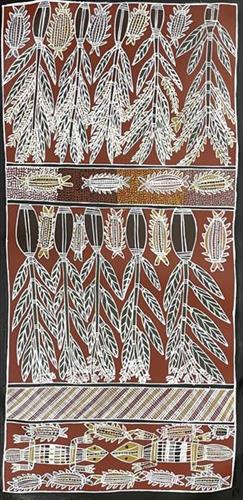
Ritjano (bush carrot)

This artwork depicts the Ritjano. Ritjano is similar to a carrot, and grows abundantly in North East Arnhem Land. The vegetable is a staple food in traditional Yolngu culture, and has been a reliable food source when other foods are scarce. The ladies will collect and roast the ritjano, which has a very sweet flavour. 

115682352495


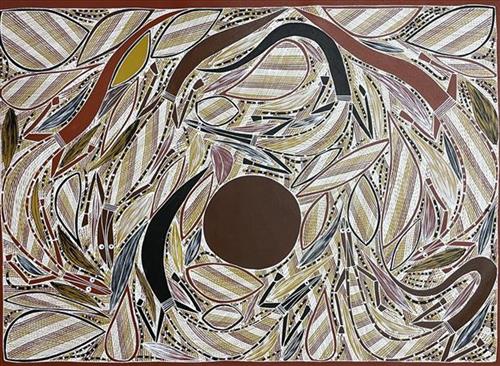
JB Fisher – Djanda (lizard)

JB paints stories from his Dhuwa homeland in northeast Arnhem Land. Stories are passed on either paternally or maternally and JB would have learnt these stories from his ancestors. The cross-hatching style (Rrark) is a traditional painting style of this area and can represent elements such as water, air and wind.

His paintings often feature totemic animals of the fresh waters of North East Arnhem Land.

220982353468


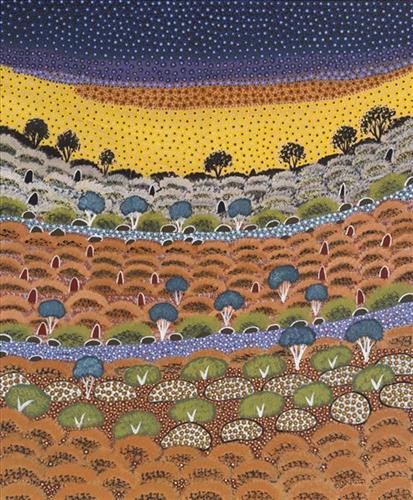
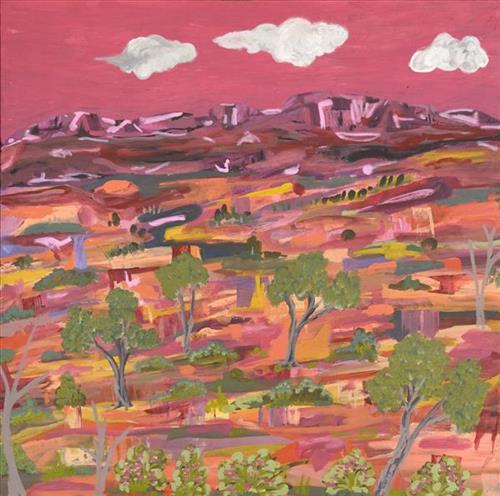
Jacinta Pula Morrison – View of Country

The community of Ampilatwatja made a conscious decision not to paint ‘altyerr’ dreaming stories, the artists paint their country where those stories sit.

This painting shows the layered landscape of Alyawarr, Central Australia. Knowing your country is an important part of living in a remote community like Ampilatwatja. Knowing when and where to go hunting and gathering, knowing where there is ‘soakage’ (where you can dig for water), travelling with family for ceremonies, and maintaining a connection with the land.

“This is my country, my view of country.”

222082353671


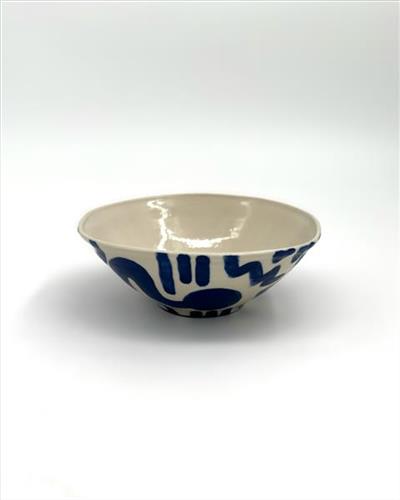
Yorta Yorta Woka Wala

This ceramic bowl is painted with my signature design/ style. An extension from my personal collection, ‘Cultural Echoes – unveiling the Veiled Legacy.’ 

Within my recent artistic endeavours, I hope to confront head-on the poignant realities inherent to my identity as a mixed-race individual of Southern-Eastern Aboriginal descent. I grapple with the enduring consequences of past injustices inflicted upon my communities, recognising that certain facets of cultural knowledge may forever elude my grasp. Consequently, in my latest body of work, I consciously restrict myself to drawing inspiration solely from a select few culturally resonant symbols and motifs that have endured within my community’s collective memory. Deliberately, I employ a technique wherein I fill the interstices between these symbols, creating bold, delineated shapes reminiscent of a blanket concealing dormant cultural knowledge.

377810582353774


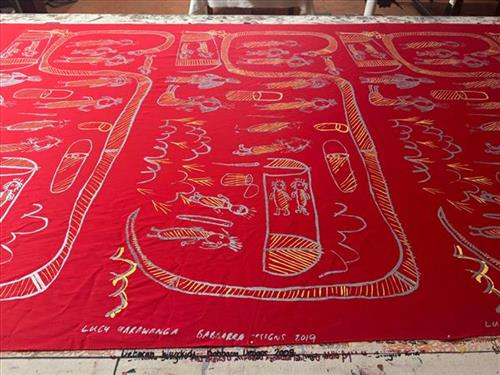
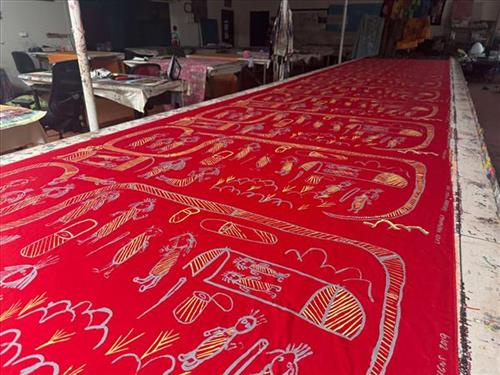
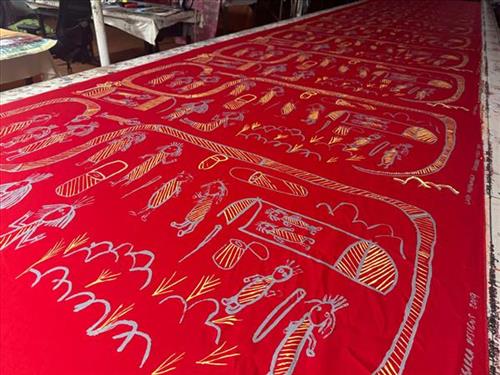
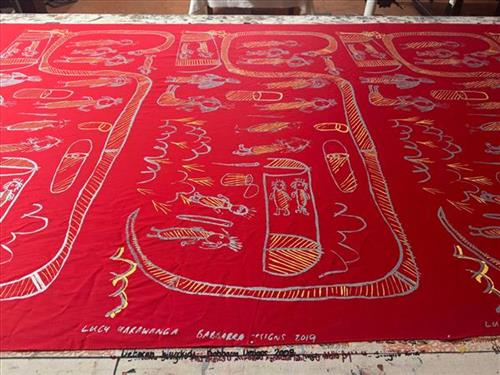
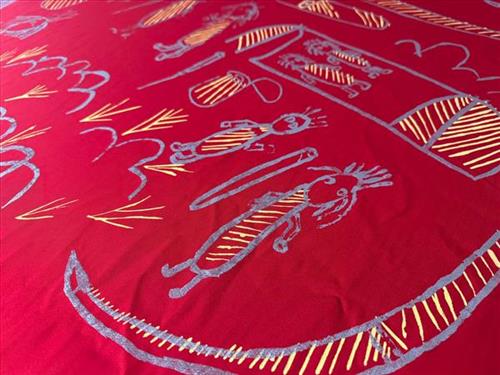
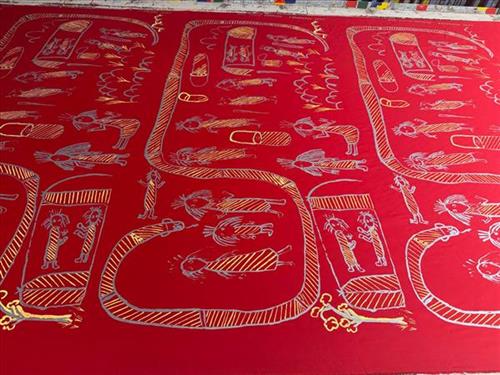
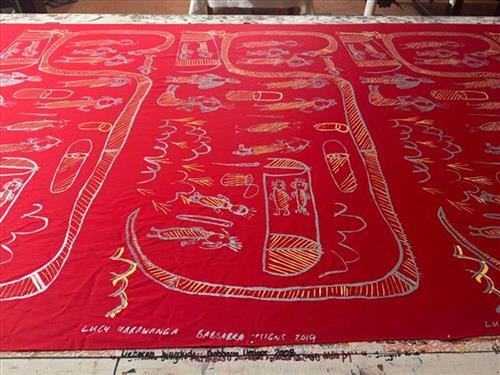
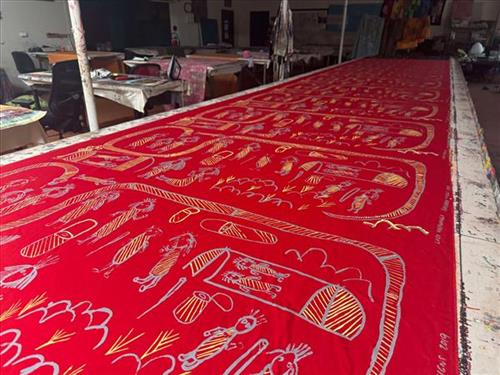
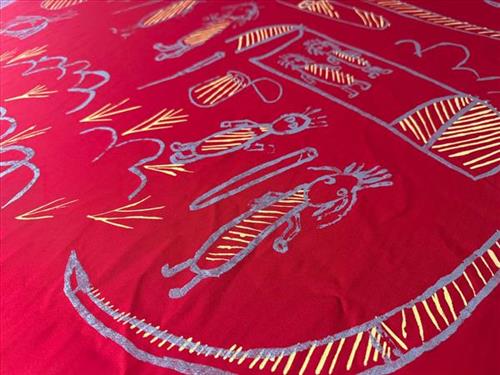
Bawáliba and Ngalyod (Rainbow Serpent)

‘My Kikka (mother), when she was alive, she would tell me these stories. I was just a  little girl and she would tell us the stories in her language Gurrgoni.

In the camps there were boy and girl Bawáliba, and old Bawáliba too. They loved to dance by the firelight, keeping rhythm with a stick. They had lots of hair, they were really tall and skinny, with spots on their bodies. The Bawáliba lived a long time in peace. They were the only spirits on their country and so they were never disturbed.

One day, a long time ago, the Bawáliba were out hunting, and they saw a large snake- they didn’t know then but she was the Rainbow Serpent. They were really scared, they had never seen that. creature before. She was really beautiful- like a normal king brown snake but with a rainbow from the sky on her back. The rainbow serpent was really hungry, and she could smell the Bawáliba from a long way away.  She was out looking for food.  The Bawáliba tried to stop Ngalyod coming for them but she was just too quick. She snuck up behind the Bawáliba and before they could get away she ate them up. When she was really full and couldn’t eat anymore Bawáliba she changed the rest of  them into stone. Still till this day, the Bawáliba stay on that same country as stones.’

Lucy Yarawanga
377810582353758


Bawáliba and Ngalyod (Rainbow Serpent)

‘My Kikka (mother), when she was alive, she would tell me these stories. I was just a  little girl and she would tell us the stories in her language Gurrgoni.

In the camps there were boy and girl Bawáliba, and old Bawáliba too. They loved to dance by the firelight, keeping rhythm with a stick. They had lots of hair, they were really tall and skinny, with spots on their bodies. The Bawáliba lived a long time in peace. They were the only spirits on their country and so they were never disturbed.

One day, a long time ago, the Bawáliba were out hunting, and they saw a large snake- they didn’t know then but she was the Rainbow Serpent. They were really scared, they had never seen that. creature before. She was really beautiful- like a normal king brown snake but with a rainbow from the sky on her back. The rainbow serpent was really hungry, and she could smell the Bawáliba from a long way away.  She was out looking for food.  The Bawáliba tried to stop Ngalyod coming for them but she was just too quick. She snuck up behind the Bawáliba and before they could get away she ate them up. When she was really full and couldn’t eat anymore Bawáliba she changed the rest of  them into stone. Still till this day, the Bawáliba stay on that same country as stones.’

Lucy Yarawanga
377810582353757


Bawáliba and Ngalyod (Rainbow Serpent)

‘My Kikka (mother), when she was alive, she would tell me these stories. I was just a  little girl and she would tell us the stories in her language Gurrgoni.

In the camps there were boy and girl Bawáliba, and old Bawáliba too. They loved to dance by the firelight, keeping rhythm with a stick. They had lots of hair, they were really tall and skinny, with spots on their bodies. The Bawáliba lived a long time in peace. They were the only spirits on their country and so they were never disturbed.

One day, a long time ago, the Bawáliba were out hunting, and they saw a large snake- they didn’t know then but she was the Rainbow Serpent. They were really scared, they had never seen that. creature before. She was really beautiful- like a normal king brown snake but with a rainbow from the sky on her back. The rainbow serpent was really hungry, and she could smell the Bawáliba from a long way away.  She was out looking for food.  The Bawáliba tried to stop Ngalyod coming for them but she was just too quick. She snuck up behind the Bawáliba and before they could get away she ate them up. When she was really full and couldn’t eat anymore Bawáliba she changed the rest of  them into stone. Still till this day, the Bawáliba stay on that same country as stones.’

Lucy Yarawanga