
377810582353485
River and Rocks
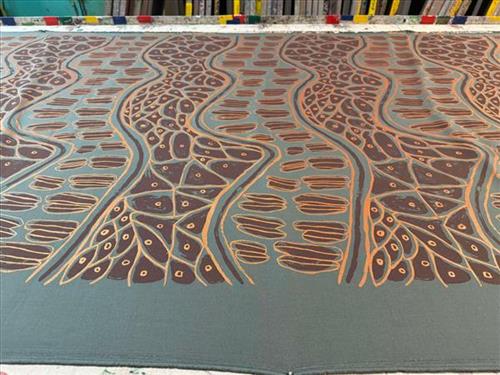
“This river we call Mangabo. It is near Gudjarrngarrl homeland of my daughters, Deborah and Jennifer Wurrkidj. We cross that river when travelling to Munmoy outstation. In the wet season, that water comes up and covers over those rocks, and when you look down there are rocks all under the water.”
– Helen Lanyinwanga

377810582353483
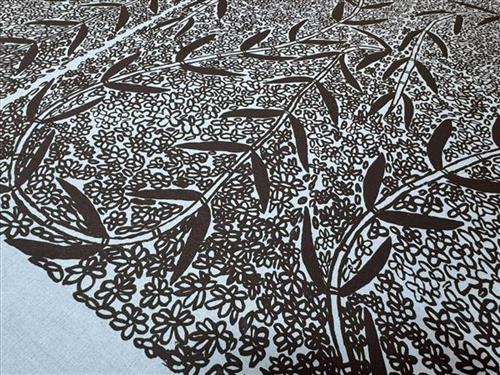
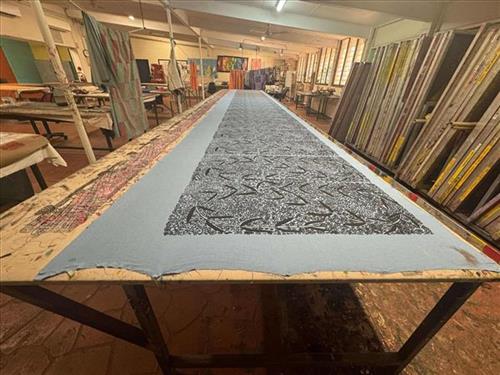
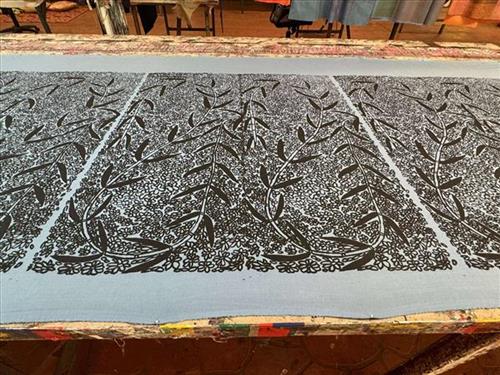
Barddedde (Bangle Vine)
Barddedde (bangle vine) is a climbing vine with cane-like stems.
It is used to make armbands and was traditionally used to sew together the ends of bark canoes.
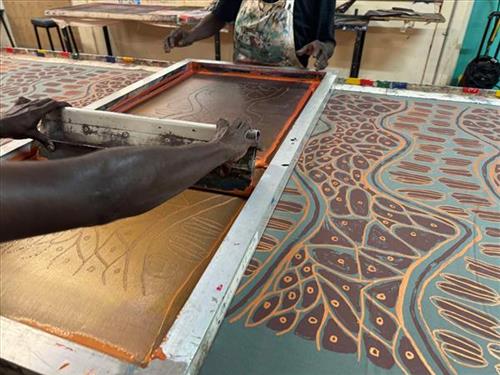
This one colour screen print was designed in 2006 and has been revived in 2025.

377810582353482
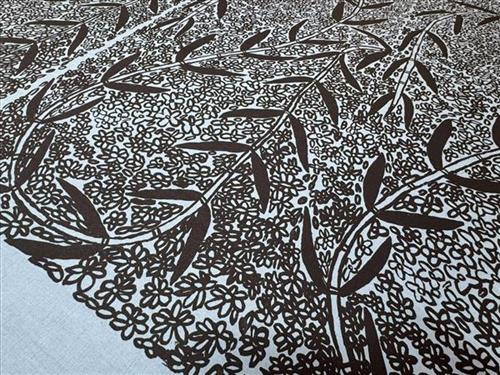

Barddedde (Bangle Vine)
Barddedde (bangle vine) is a climbing vine with cane-like stems.
It is used to make armbands and was traditionally used to sew together the ends of bark canoes.
This one colour screen print was designed in 2006 and has been revived in 2025.

377810582353481
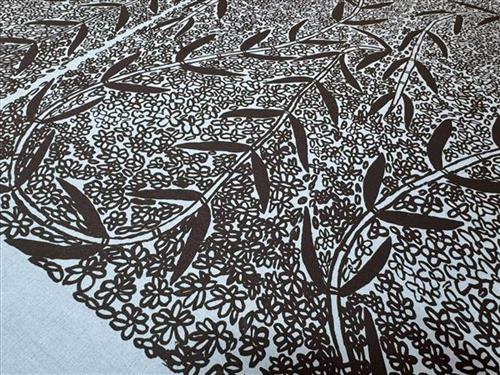
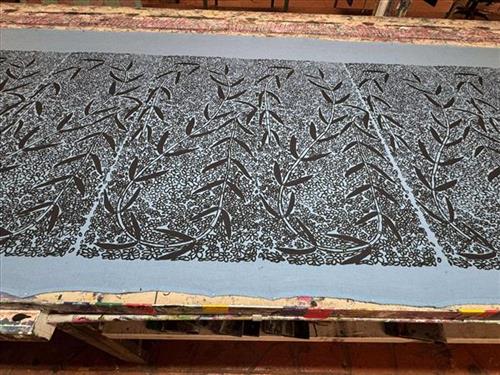
Barddedde (Bangle Vine)
Barddedde (bangle vine) is a climbing vine with cane-like stems.
It is used to make armbands and was traditionally used to sew together the ends of bark canoes.
This one colour screen print was designed in 2006 and has been revived in 2025.
220982353480
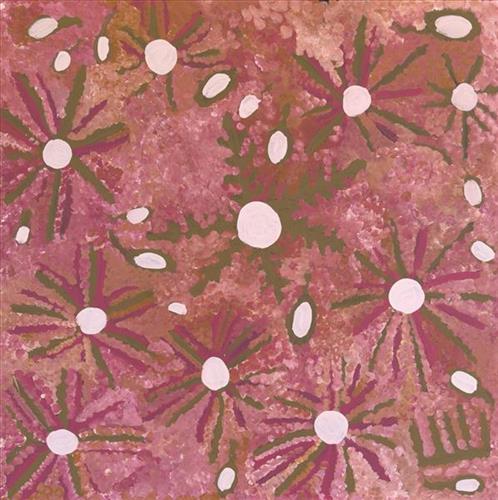
Maisie Petyarre Bundey – Bush Tucker
Maisie paints the bush tucker found in her country, the area that surrounds Boundary Bore in the Utopia homelands. She paints bush plums, bush bananas, bush potatoes and bush medicine plants. The main motif which recurs often in Maisie artworks is a full coolamon. When she paints she always speaks of gathering and hunting on her country ‘long way from here, long time ago’, filling up coolamons with ‘bush potato, bush banana, goanna and porcupine.’ Maisie always says her family are ‘happy ones, healthy ones.’
221282353349
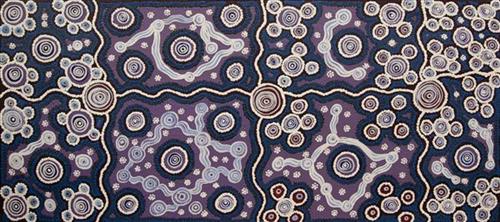
Minyma Kutjara
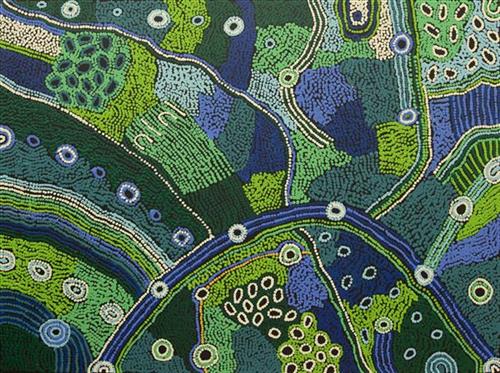
There is a story of deep significance to women which contains metaphorical references to female cycles. It tells of two women travelling north. The pair meet with a group of women, including Kutungu, who are caring for a man who then passes away. They then travel to the area known as Mantaruta, near Uluru, where they chase a curious wanampi (serpent) deep into the ground while trying to catch him. They burn their body hair to attract him and hit him on the head and run away. From afar they throw a manguri/traditional head-ring for carrying which also hits him. He then comes and hits the women who travel on bleeding and hurt.
221282353328
Minyma Kutjara
There is a story of deep significance to women which contains metaphorical references to female cycles. It tells of two women travelling north. The pair meet with a group of women, including Kutungu, who are caring for a man who then passes away. They then travel to the area known as Mantaruta, near Uluru, where they chase a curious wanampi (serpent) deep into the ground while trying to catch him. They burn their body hair to attract him and hit him on the head and run away. From afar they throw a manguri/traditional head-ring for carrying which also hits him. He then comes and hits the women who travel on bleeding and hurt.
221282353301
Kungkarangkalpa / Seven Sisters
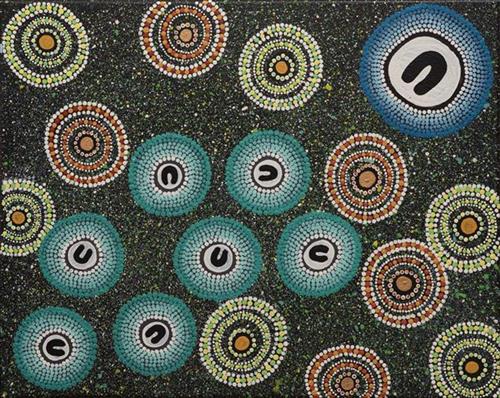
Kungkarangkalpa means the Seven Sisters. This is an extensive creation story that relates to the Pleiades constellation in the southern hemisphere. The story traverses Australia taking on different forms, however local women are privy to the part of the story which takes place in the country near Ernabella. For this part of the story, the man called Nyiru is chasing the sisters as he wants to sleep with the oldest sister. All the younger sisters are deeply afraid of him. As Nyiru is chasing the sisters, he tries to catch them by using magic to turn himself into the most tempting bush tomatoes for the sisters to eat and the most beautiful ili (fig) tree for the sisters to camp under. However, the sisters are aware of his magic and go hungry and run through the night rather than be caught by Nyiru. Eventually, to escape Nyiru, the sisters fly into the sky where they turn into stars and form the constellation.

377810582353262
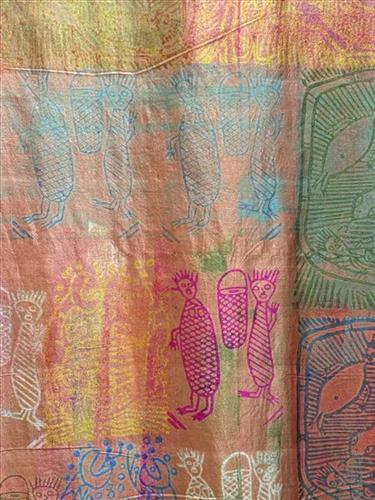
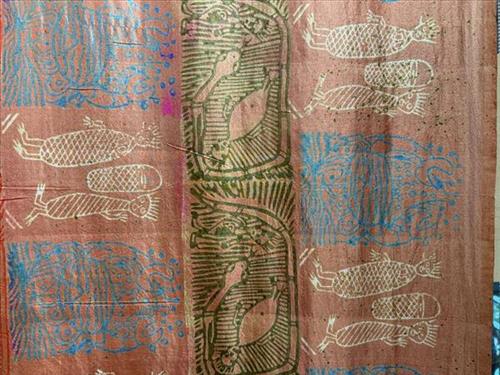
Bawáliba and Ngalyod (Rainbow Serpent)
‘My Kikka (mother), when she was alive, she would tell me these stories. I was just a little girl and she would tell us the stories in her language Gurrgoni.
In the camps there were boy and girl Bawáliba, and old Bawáliba too. They loved to dance by the firelight, keeping rhythm with a stick. They had lots of hair, they were really tall and skinny, with spots on their bodies. The Bawáliba lived a long time in peace. They were the only spirits on their country and so they were never disturbed.
One day, a long time ago, the Bawáliba were out hunting, and they saw a large snake- they didn’t know then but she was the Rainbow Serpent. They were really scared, they had never seen that. creature before. She was really beautiful- like a normal king brown snake but with a rainbow from the sky on her back. The rainbow serpent was really hungry, and she could smell the Bawáliba from a long way away. She was out looking for food. The Bawáliba tried to stop Ngalyod coming for them but she was just too quick. She snuck up behind the Bawáliba and before they could get away she ate them up. When she was really full and couldn’t eat anymore Bawáliba she changed the rest of them into stone. Still till this day, the Bawáliba stay on that same country as stones.’
Lucy Yarawanga
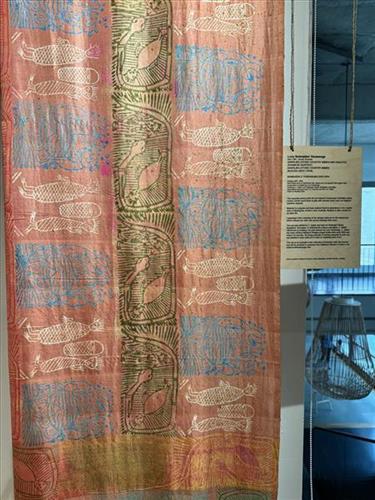
This sari was printed in collaboration with Tharangini Studio in India. Over a two year investment, Babbarra designs Lino tiles were made into Wood blocks and later printed using an extract printing method using vegetable inks. This is a one off textile, no two are the same.