111982362712


Lorrkon (Hollow Log)

The Lorrkon or bone pole coffin ceremony is the final ceremony in a sequence of mortuary rituals celebrated by the people of Arnhem Land. This ceremony involves the placing of the deceased’s bones into a hollow log decorated with painted clan designs and ceremonially placed into the ground where it remains until it slowly decays over many years.


The log is made from a termite hollowed Stringybark tree (Eucalyptus tetradonta) and is decorated with totemic emblems. The western Arnhem Land version of the Lorrkon ceremony involves the singing of sacred songs to the accompaniment of karlikarli, a pair of sacred boomerangs used as rhythm instruments. During the final evening of the ceremony, dancers decorate themselves with kapok down, or today, cotton wool and conduct much of the final segments of the ceremony in the secrecy of a restricted men’s camp. The complete ceremony may stretch over a period of two weeks, but on the last night the bones of the deceased, which have been kept in bark or wrapped in cloth, are taken out, painted with red ochre and placed inside the hollow log. This ceremony may take place many years after the person has died.


At first light on the final morning of the Lorrkon ceremony, the men appear, coming out of their secret bush camp carrying the pole towards the women’s camp. The two groups call to each other using distinct ceremonial calls. The women have prepared a hole for the pole to be placed into and when it is stood upright, women in particular kinship relationships to the deceased dance around the pole in a jumping/shuffling motion. The Lorrkon is then often covered with a tarpaulin and left to slowly decay.
377810582362711


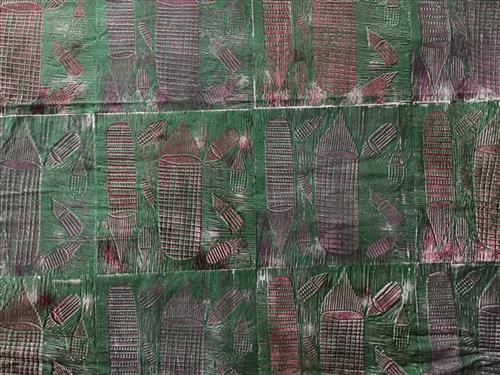
Dilly Bags

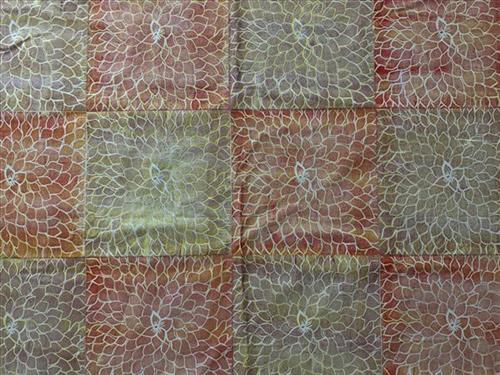
This fabric was created using the linocut fabric printing technique which has been refined at Bábbarra Women’s Centre since it was introduced in the early 2000’s. 

The Lino tile is carved by the artist at Bábbarra Designs. It is printed on fabric by hand using a variety of colours and layers. The linocut technique ensures each textile is a one-off, limited edition piece.

The fabric is coloursafe and can be thrown into a washing machine. Repeated use will soften the fabric and some fading will occur over time. 

Bábbarra Women’s Centre supports the economic independence of Indigenous women in the Arnhem Land community of Maningrida, Northern Territory, Australia. Designs created by the women at Bábbarra reflect strong cultural knowledge, which is passed down to younger generations through their textile design practice.

‘Themes in our artwork almost exclusively come from our Country and cultural connection. The deep relationship we have with the land and seas of our customary clan estates strongly defines and governs the social, cultural, spiritual and territorial aspects of our lives.’ Bábbarra Designs Artist Statement

377810582362710


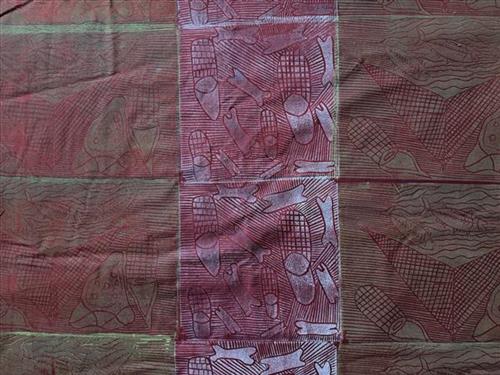
Na-méwaya (triangle fish net) and Bone bags

*Ndjébbana 

A small fishing net or butterfly net of a traditional triangular design. 


377810582362709


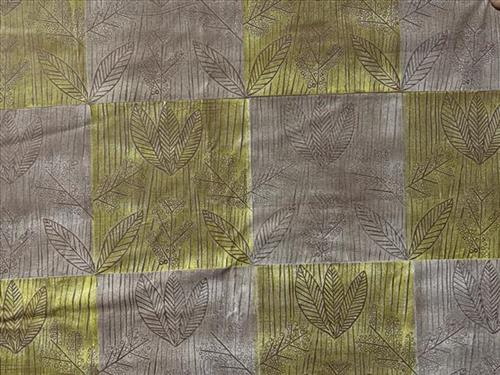
Leaves

This fabric was created using the linocut fabric printing technique which has been refined at Bábbarra Women’s Centre since it was introduced in the early 2000’s. 

The Lino tile is carved by the artist at Bábbarra Designs. It is printed on fabric by hand using a variety of colours and layers. The linocut technique ensures each textile is a one-off, limited edition piece.

The fabric is coloursafe and can be thrown into a washing machine. Repeated use will soften the fabric and some fading will occur over time. 

Bábbarra Women’s Centre supports the economic independence of Indigenous women in the Arnhem Land community of Maningrida, Northern Territory, Australia. Designs created by the women at Bábbarra reflect strong cultural knowledge, which is passed down to younger generations through their textile design practice.

‘Themes in our artwork almost exclusively come from our Country and cultural connection. The deep relationship we have with the land and seas of our customary clan estates strongly defines and governs the social, cultural, spiritual and territorial aspects of our lives.’ Bábbarra Designs Artist Statement

377810582362708


Waterlily

This fabric was created using the linocut fabric printing technique which has been refined at Bábbarra Women’s Centre since it was introduced in the early 2000’s. 

The Lino tile is carved by the artist at Bábbarra Designs. It is printed on fabric by hand using a variety of colours and layers. The linocut technique ensures each textile is a one-off, limited edition piece.

The fabric is coloursafe and can be thrown into a washing machine. Repeated use will soften the fabric and some fading will occur over time. 

Bábbarra Women’s Centre supports the economic independence of Indigenous women in the Arnhem Land community of Maningrida, Northern Territory, Australia. Designs created by the women at Bábbarra reflect strong cultural knowledge, which is passed down to younger generations through their textile design practice.

‘Themes in our artwork almost exclusively come from our Country and cultural connection. The deep relationship we have with the land and seas of our customary clan estates strongly defines and governs the social, cultural, spiritual and territorial aspects of our lives.’ Bábbarra Designs Artist Statement

11564008073


Status: Stock


Jabiru by Evonne Rraraypum

Screenprinted tea towel with Banami (brolga) design
100% linen
70 x 50cm
Available in black and flax colours 

Manymak (very good)! This product helps build a sustainable source of income for Yolŋu artists and art workers at Bula’Bula Arts.

ARTWORK STORY 

This is a story for the Wanybarrnga clan family.  The Jabiru is in the water and he flaps his wings, hitting the water and causes it to ripple.

After a funeral ceremony, leaders for this clan family draw the Jabiru’s water ripples into the sand/earth. This symbolises a cleansing and washing for Yolngu to be free to go on with normal life.

111576341447


Kumpupirntily Area

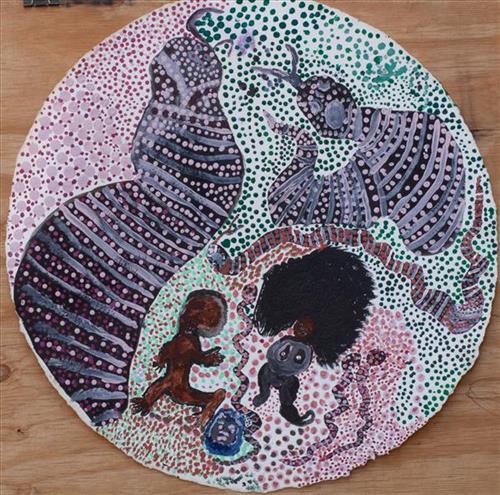
“Some people paint a rockhole, only rockhole. Nothing. I got story. Jukurrpa. Full up….” This painting depicts Kumpupirntily (Lake Disappointment) out in the Canning Stock Route area. It is a large warla (salt lake) that holds great significance for the artist. This is where the Ngayurnangalku (cannibal beings) live under the surface of the lake. If you dig in the lake and disturb them the beings rise up like a man “If they dig him up, anybody, blackfella, whitefellas they’ll get killed! They’ll have a good feed!”

111581886798


Ngayurnangalkumili Ngurra (cannibal Country)

“Ngayurnangalku (cannibal beings) fighting. They all come in here, all meet up here. Ngayurnangalku coming from this way [North], go in here. Ngayurnangalku coming from this way [East], they go in. They come from this way [West], get in there. And from the South, get in there again. Fighting all the way. All the yirrkili (boomerang) flying everywhere. All get up.”

This painting depicts several sequences in the jukurrpa (dreaming) of Kumpupirntily (Lake Disappointment) Country and the lives of it’s inhabitants, the cannibal beings Ngayurnangalku. The lake is the white section in the centre of the painting, which is further quartered by the creeks that feed into it. Including Kupayiyura (Savory Creek). In these sections, other elements of the jukurrpa intersect with the fighting scenes. Top right includes the partarta (bush turkey) and walawurru (eagle hawk) jukurrpa North of the lake Country. Bottom right includes a reference to Turnturnpa, an old woman who is not permitted into the lake area. This section and the others are interspersed by the imagery of the Ngayurnangalku fighting among themselves, indicated by their weapons flying around everywhere.

225182297625


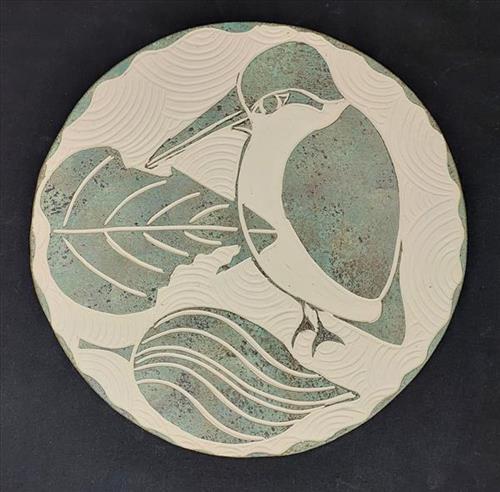
Yindili (Kingfisher)

The Kingfisher, known as Yindili in Kuku Yalanji language, is according to our culture one of the significant messenger birds. The Kingfisher will let us know when to expect a visit from families living in another community, And when we see a Kingfisher close by, we know that something good will soon happen in our personal life.

220282356545


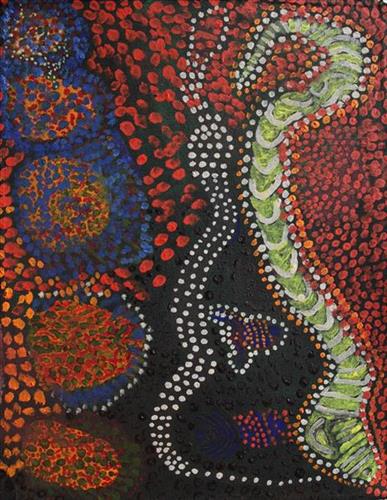
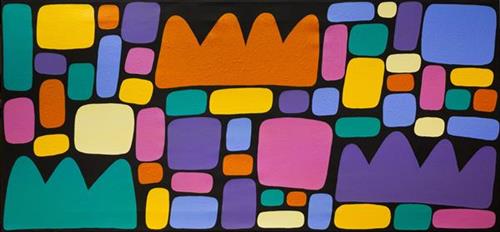
Puli Puli – Rocks

Keturah depicts the puli puli (rocks) at two different sites. She paints the landscapes at Haasts Bluff where she grew up and also at Karrkurrutintja (Lake Mcdonald in Pintupi), located west of Kintore along the Western Australia/Northern Territory border. Karrkurrutintja country is an important site of the Pilkati (snake) Tjukurrpa (dreaming) of Kaniya Kutjarra (two carpet snakes, two brothers, two Tjangalas). This story was passed town to her from her grandmother Narputta Nangala Jugadai, who was born there. Narputta was passed down this story from her father, Talaku Tjampitjinpa. Both Keturah’ss grandmother and mother, Molly Jugadai painted this same country. Narputta was one of the founding members of Ikuntji Artists, and has been painting since the beginning of the desert painting movement in the 1970’s. Keturah’s grandmother and mother have since passed away, with Keturah being the only remaining daughter in this lineage of artist to still be painting this story.

Keturah has been inspired by the painting legacy and tutorage from her grandmother and mother, though has developed a distinctive style over her practice. Keturah uses different colours and hues to depict the ways the puli puli change colours with the weather, especially at sunrise and sunset.

 “The sand hills I paint are my mother’s story and the rocks I paint are my own story. My paintings are about my story and my mother’s… I like to paint; painting helps me forget my troubles. I paint every day. My Grandmother used to say to me when I was younger: “One day you will paint.”