221382358688


Hunter

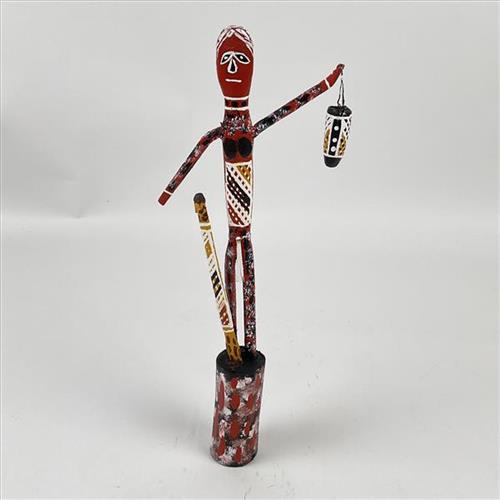
Wood carving has always been part of Aboriginal culture and Djilpin artists continue this tradition. Men carved wood for many purposes – tools for hunting or gathering food, axes and knives for building shelters, spears and clubs for protection of their lives and territory, objects for ceremony and to mark sacred sites.

Hunting implements include the boomerang, woomera and spear. The woomera is a lever which helps to increase the speed and distance the spear travels. Clapsticks are used as percussion instruments by the Songmen to accompany dancing along with the didgeridoo (mago).

As well as the more functional carvings, artists portray animals and birds in wood, and these carvings are often painted. Ceremonial carvings include spirit creatures including mukuy (devil devils) and mimi.

Some fine mimi figures have been cast in bronze.
221382358686


Big Fish

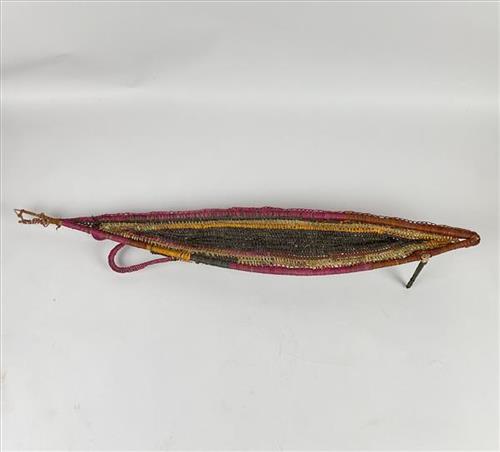
Fibre Art is an ancient Aboriginal women’s craft that is still made today using the same techniques as their ancestors. Making fibre art is labour intensive and much care and fine needlework is required to ensure the finished object is both functional and beautiful. Fibre art from Ghunmarn Culture Centre includes dilly bags, floor mats, bush fans, woven creatures found in the landscape, plants such as yams (bush potato), baskets, place mats, and spirit figures such as mermaids and Mukuys. Natural pandanus fibre (Mukarra), is used to make much of the fibre art produced by the artists of Djilpin Arts. Women collect the pandanus by pulling from the top of the pandanus tree, then stripping and drying the leaves before they are dyed with natural bush colour collected from the Beswick surrounds.

221382358685


Little Fish

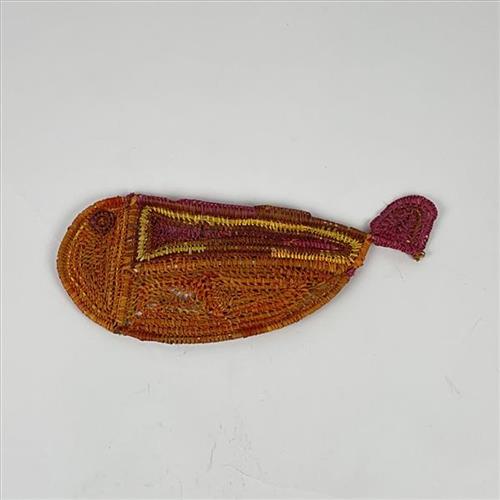
Fibre Art is an ancient Aboriginal women’s craft that is still made today using the same techniques as their ancestors. Making fibre art is labour intensive and much care and fine needlework is required to ensure the finished object is both functional and beautiful. Fibre art from Ghunmarn Culture Centre includes dilly bags, floor mats, bush fans, woven creatures found in the landscape, plants such as yams (bush potato), baskets, place mats, and spirit figures such as mermaids and Mukuys. Natural pandanus fibre (Mukarra), is used to make much of the fibre art produced by the artists of Djilpin Arts. Women collect the pandanus by pulling from the top of the pandanus tree, then stripping and drying the leaves before they are dyed with natural bush colour collected from the Beswick surrounds.

221282358833


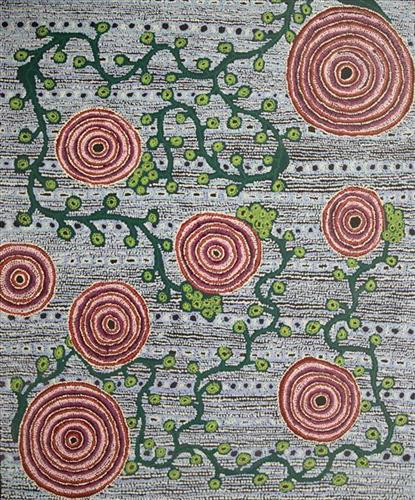
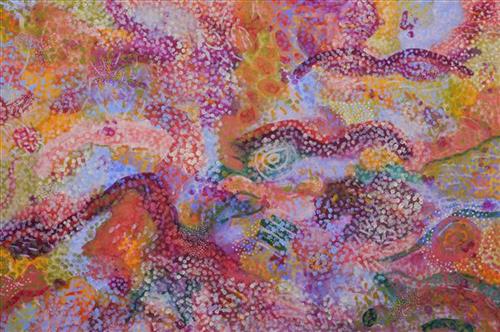
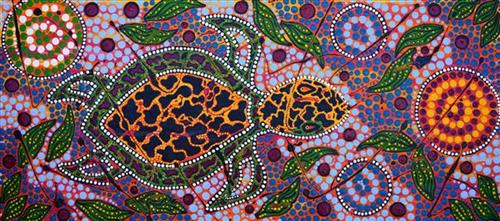
Mai – Bush Tucker Daisybell’s Story

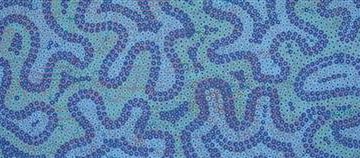
Travelling around getting bush tucker near my home. From when I was a tjitji (child) collecting mai (food). Travelling from home, not today but a long time ago. I would go with my family, friends, with tjitji tjuta (many children).

116482358832


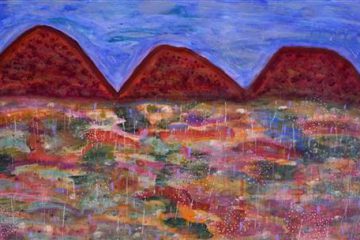
Pilbara Hills

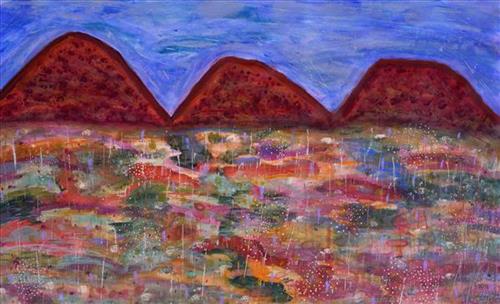
In our country, we have many hills of all different shapes and sizes. When driving through country at different times the colours change and some of the hills look like velvet in the evening and morning light.

116482358829


After the Big Rain

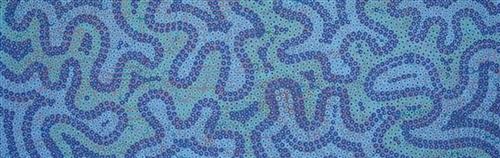
After the rain the rivers and creeks in our country come alive with a new growth of plants. The country is filled with beautiful colours. We rejoice looking at our rivers and creeks full of water, so that we can go fishing, kids can go swimming and we can picnic with our families and friends.

116482358828


Our Country (The Pilbara)

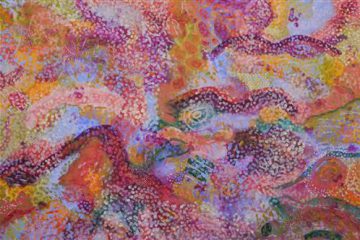
Pilbara is the country where we the Yindjibarndi people live and share many of our cultural stories and history that have been passed onto us by our ancestors of how they used to walk through the flat country we call the (Table Lands) visiting family members at nearby stations. Our country has so much to offer. Bush foods and medicine as well as animals like emu, kangaroo, and goanna. When the rains come our rivers are full and we all love to go out and spend the day fishing. We are also close to the ocean, so we often go fishing there as well. During the holidays many of our families go bush to enjoy what the country offers. Our country is full of riches, and we are connected to our land.