115682364715


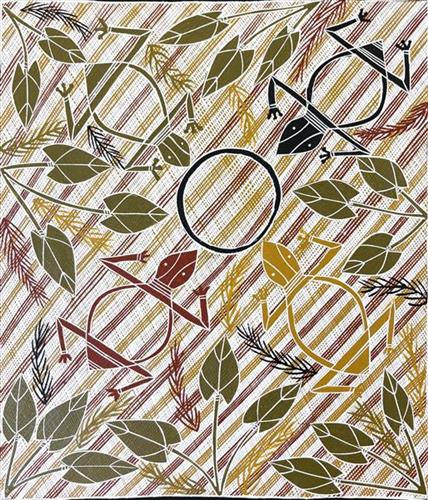
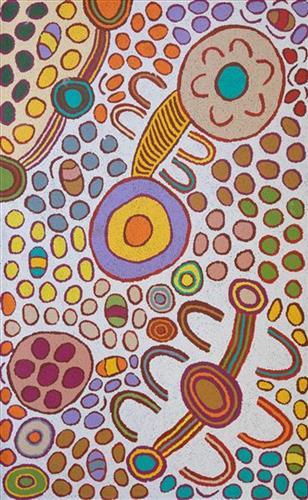
Bak ‘bididi (frogs)

This painting depicts Bak’ bididi (frogs) sitting around a billabong. The Arafura wetlands across East Arnhem Land are filled with billabongs during the wet season, providing the perfect living conditions for bak’ bididi. Their calls you can hear far and wide during the day and night. 


115682364711


Bathi (Pandanus Basket)

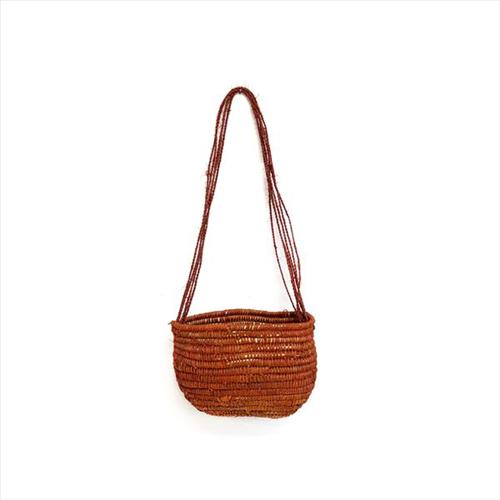
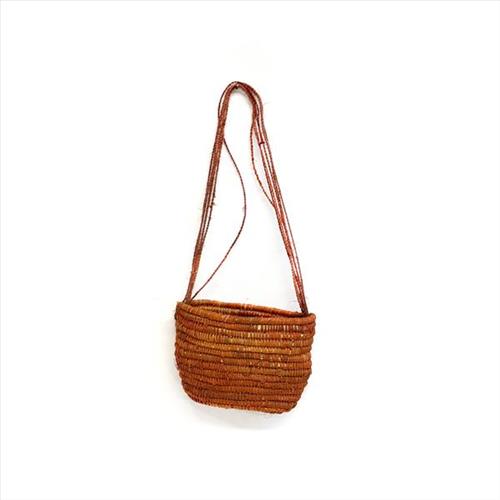
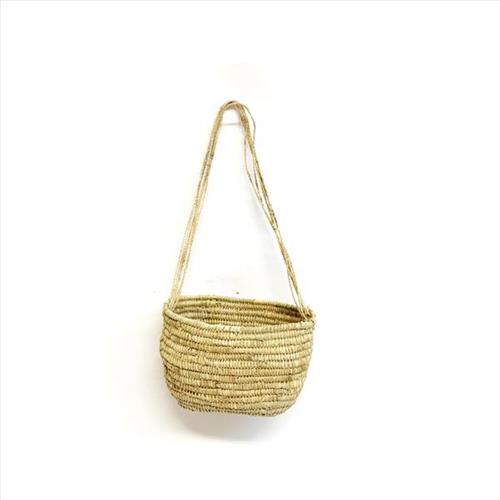
Yolŋu weavers of Arnhem Land create utilitarian, ceremonial, and decorative pieces using naturally sourced materials. This Bathi (Pandanus Basket) is made from young Pandanus spiralis leaves, harvested with a wooden hook, stripped of prickles, and dried to create strong, resilient fibres. These fibres are then twisted, coiled, or woven using various techniques to produce both functional and decorative baskets.

Typically, Bathi are made using a coiling technique which was adapted from techniques used by Indigenous women throughout Southeast Australia. Introduced to Arnhem Land weavers in the 1930’s as Missionaries began commissioning pieces in this style.

Bula’bula weavers exclusively use natural dyes, derived from locally sourced roots, leaves and grasses. These pigments are extracted and infused into pandanus fibres by boiling over an open fire, producing the rich, vibrant colours characteristic of contemporary Yolŋu weavings.

115682364710


Bathi (Pandanus Basket)

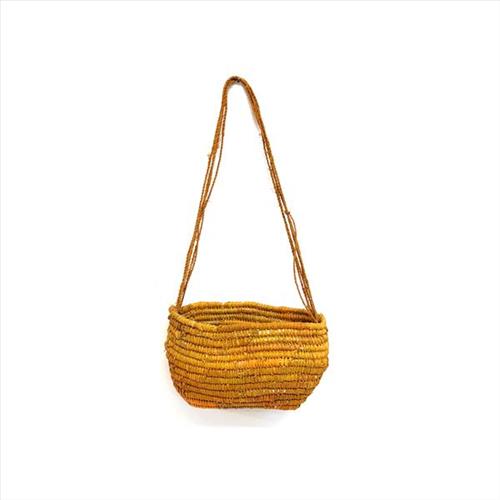
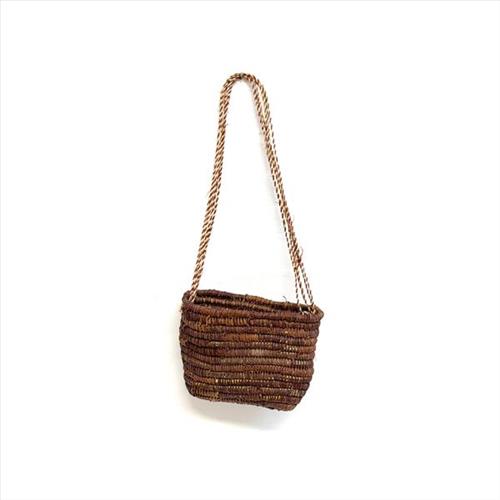
Yolŋu weavers of Arnhem Land create utilitarian, ceremonial, and decorative pieces using naturally sourced materials. This Bathi (Pandanus Basket) is made from young Pandanus spiralis leaves, harvested with a wooden hook, stripped of prickles, and dried to create strong, resilient fibres. These fibres are then twisted, coiled, or woven using various techniques to produce both functional and decorative baskets.

Typically, Bathi are made using a coiling technique which was adapted from techniques used by Indigenous women throughout Southeast Australia. Introduced to Arnhem Land weavers in the 1930’s as Missionaries began commissioning pieces in this style.

Bula’bula weavers exclusively use natural dyes, derived from locally sourced roots, leaves and grasses. These pigments are extracted and infused into pandanus fibres by boiling over an open fire, producing the rich, vibrant colours characteristic of contemporary Yolŋu weavings.

115682364709


Bathi (Pandanus Basket)

Yolŋu weavers of Arnhem Land create utilitarian, ceremonial, and decorative pieces using naturally sourced materials. This Bathi (Pandanus Basket) is made from young Pandanus spiralis leaves, harvested with a wooden hook, stripped of prickles, and dried to create strong, resilient fibres. These fibres are then twisted, coiled, or woven using various techniques to produce both functional and decorative baskets.

Typically, Bathi are made using a coiling technique which was adapted from techniques used by Indigenous women throughout Southeast Australia. Introduced to Arnhem Land weavers in the 1930’s as Missionaries began commissioning pieces in this style.

Bula’bula weavers exclusively use natural dyes, derived from locally sourced roots, leaves and grasses. These pigments are extracted and infused into pandanus fibres by boiling over an open fire, producing the rich, vibrant colours characteristic of contemporary Yolŋu weavings.

115682364708


Bathi (Pandanus Basket)

Yolŋu weavers of Arnhem Land create utilitarian, ceremonial, and decorative pieces using naturally sourced materials. This Bathi (Pandanus Basket) is made from young Pandanus spiralis leaves, harvested with a wooden hook, stripped of prickles, and dried to create strong, resilient fibres. These fibres are then twisted, coiled, or woven using various techniques to produce both functional and decorative baskets.

Typically, Bathi are made using a coiling technique which was adapted from techniques used by Indigenous women throughout Southeast Australia. Introduced to Arnhem Land weavers in the 1930’s as Missionaries began commissioning pieces in this style.

Bula’bula weavers exclusively use natural dyes, derived from locally sourced roots, leaves and grasses. These pigments are extracted and infused into pandanus fibres by boiling over an open fire, producing the rich, vibrant colours characteristic of contemporary Yolŋu weavings.

115682364697


Bathi (Pandanus Basket)

Yolŋu weavers of Arnhem Land create utilitarian, ceremonial, and decorative pieces using naturally sourced materials. This Bathi (Pandanus Basket) is made from young Pandanus spiralis leaves, harvested with a wooden hook, stripped of prickles, and dried to create strong, resilient fibres. These fibres are then twisted, coiled, or woven using various techniques to produce both functional and decorative baskets.

Typically, Bathi are made using a coiling technique which was adapted from techniques used by Indigenous women throughout Southeast Australia. Introduced to Arnhem Land weavers in the 1930’s as Missionaries began commissioning pieces in this style.

Bula’bula weavers exclusively use natural dyes, derived from locally sourced roots, leaves and grasses. These pigments are extracted and infused into pandanus fibres by boiling over an open fire, producing the rich, vibrant colours characteristic of contemporary Yolŋu weavings.

111582364891


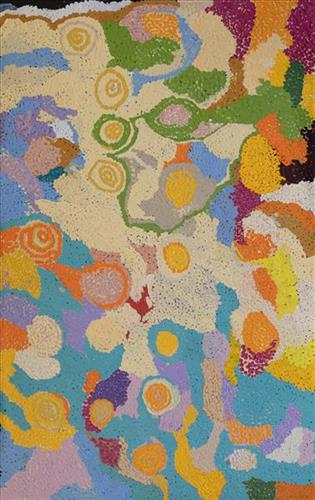
Mukurla

“First here’s Jupiter Well- Puntujarrpa, then Nyinmi, then Mukurla other side, close to Kiwirrkurra. Other side from Marapinti, long way.

At Mukurla, four or five rockhole. Big one, then little one, little one, big one. My family camping there long time [ago]. Ngurra (home Country, camp) for my father, grandfather.

All the families can go there, rangers go see there, go see every place, every rockhole next to that Mukurla.

Spinifex there, wakurna we call it, grows that seed to make damper, you know? Grinding stone there, lots of rock next to the rockhole there. We grind it, make a flour and put it in the fire, make damper. Tall trees there too, grow little seeds, yellow and green ones. Put it in the fire and eat it. Good hunting there too; goanna, kunya (snake species), yellow and brown one.”

– Daphne Larry

111582364890


Wikiri

“That’s a ngurra (home Country, camp); my mummy’s, grandmother, two grandfathers’ and uncle’s ngurra.” 

– Ngamaru Bidu

Wikiri (Midway Well) is a large soak and claypan located southeast of Parnngurr Aboriginal community. The soak provides a source of fresh water all year around, but when it has not been visited for a time, shrubs and grass must be dug out of the way to reach the arterial water. A windmill has since been built at Wikiri to access the permanent underground water available there. 

During the Jukurrpa (Dreaming), Wikiri was visited by Wirnpa, one of the most powerful of the rainmaking jila (snake) men, along with another ancestral man. The rocks, foods and seeds found at Wikiri were left by Wirnpa. Wikiri is also associated with Jaramarra, another rainmaking jila. Both Wirnpa and Jaramarra continued their travels toward the Great Sandy Desert’s Percival Lakes region, at the northernmost boundary of Martu Country. 

Wikiri is an important site in Ngamaru’s Country, and forms part of the area which she knew intimately and travelled extensively with her family in her youth. During the pujiman (traditional, desert dwelling) period, Martu would traverse very large distances annually in small family groups, moving seasonally from water source to water source, and hunting and gathering bush tucker as they went. At this time knowledge of water sources was critical for survival, and today Martu Country is still defined in terms of the location and type of water. Each of the hundreds of claypans, rockholes, waterholes, soaks and springs found in the Martu desert homelands is known by name, location, quality and seasonal availability through real life experience and the recounting of Jukurrpa narratives.