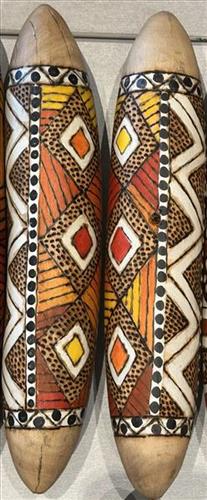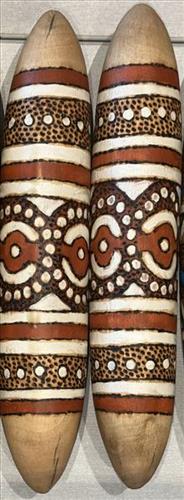
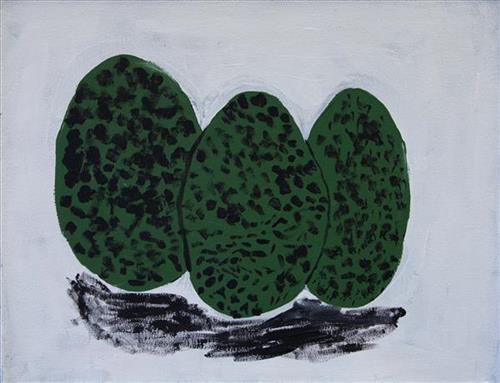
111582373334


Untitled

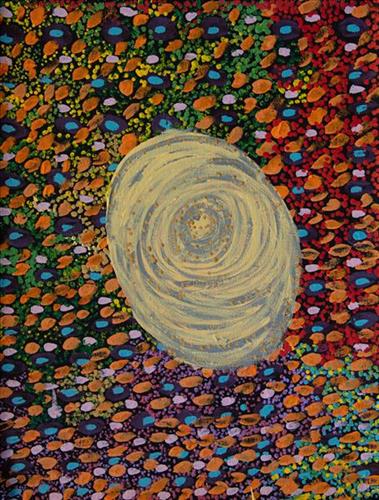
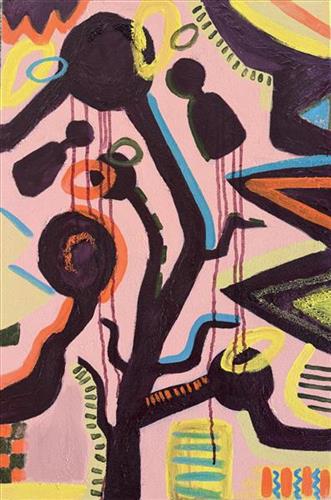
Martumili Artists work with over three hundred artists from remote Martu Aboriginal communities, including Punmu, Parnngurr, Kunawarritji, Jigalong, Irrungadji (Nullagine), and Warralong, as well as from the Parnpajinya (Newman) gallery and studio spaces. Known for their diverse, energetic, and unmediated painting styles, their works reflect the dramatic geography and scale of their homelands. Each artist, however, brings a unique approach to their craft.

Younger Martu artists often start painting alongside their parents, grandparents, and extended family, which fosters an organic learning process. This not only involves mastering painting techniques but also understanding specific locations, family histories, traditional ways of life, bush tucker, and Jukurrpa (Dreaming). Over time, with encouragement from their peers, they develop their own distinct styles and explore unique painting techniques and subject matter. In this work the artist brings a contemporary, evolving perspective to their work.
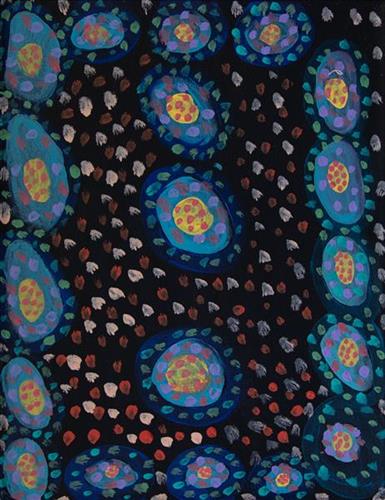
111582373332


Untitled

Martumili Artists work with over three hundred artists from remote Martu Aboriginal communities, including Punmu, Parnngurr, Kunawarritji, Jigalong, Irrungadji (Nullagine), and Warralong, as well as from the Parnpajinya (Newman) gallery and studio spaces. Known for their diverse, energetic, and unmediated painting styles, their works reflect the dramatic geography and scale of their homelands. Each artist, however, brings a unique approach to their craft.

Younger Martu artists often start painting alongside their parents, grandparents, and extended family, which fosters an organic learning process. This not only involves mastering painting techniques but also understanding specific locations, family histories, traditional ways of life, bush tucker, and Jukurrpa (Dreaming). Over time, with encouragement from their peers, they develop their own distinct styles and explore unique painting techniques and subject matter. In this work the artist brings a contemporary, evolving perspective to their work.
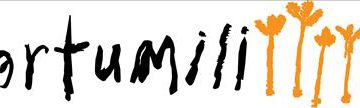
111582373331


Untitled

This is Dale’s Country- her ‘ngurra’ (home Country, camp). People identify with their ngurra in terms of specific rights and responsibilities, and the possession of intimate knowledge of the physical and cultural properties of one’s Country. Painting ngurra, and in so doing sharing the Jukurrpa (Dreaming) stories and physical characteristics of that place, has today become an important means of cultural maintenance. Dale’s ngurra encompasses her birthplace, Jigalong, and the Country that her family walked in the pujiman (traditional, desert-dwelling) era, including Puntawarri, Raarki (Canning Stock Route Well 27), Kularti, Kumpupirntily , Mirtikanya, (Kumpupintily, Lake Disappointment), and Mukurtu.

Portrayed in this work are features of Dale’s family’s ngurra, such as the striking salt lakes, dominant permanent red tali (sandhills), warta (trees, vegetation), and the individually named water sources they camped at. Rock holes, waterholes, soaks and springs were all extremely important sites for Martu people during the pujiman period, and are generally depicted with circular forms. 

The encyclopaedic knowledge of the location, quality and seasonal availability of the hundreds of water bodies found in one’s Country sustained Martu as they travelled across their Country, hunting and gathering, visiting family, and fulfilling ceremonial obligations. They would traverse very large distances annually, visiting specific areas in the dry and wet season depending on the availability of water and the corresponding cycles of plant and animal life on which hunting and gathering bush tucker was reliant. As they travelled and hunted they would also burn areas of Country, generating a greater diversity of plant and animal life.

116482373305


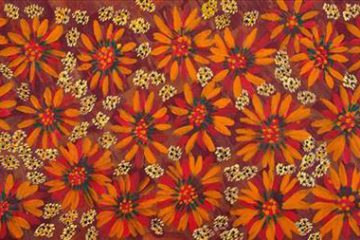
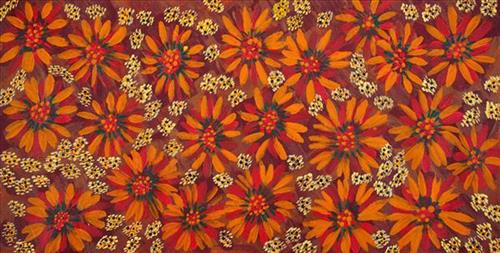
Pilbara Wildflowers

These are the Pilbara wildflowers that grow on the ground. They have a beautiful colours blending into the Country during flower season.

222082373915


The Dance

This artwork, like all my work, speaks to the ongoing ‘dance’ between the relational and the colonial. I’m constantly navigating what it means to exist in this world as a mixed-race Aboriginal queer woman living in so-called Australia. For me, and for many in my community, everything is deeply nuanced and ever shifting, no matter how much dominant voices try to define us in fixed, rigid terms.

222082373807


Yanha Dhuluwi – Go straight ahead

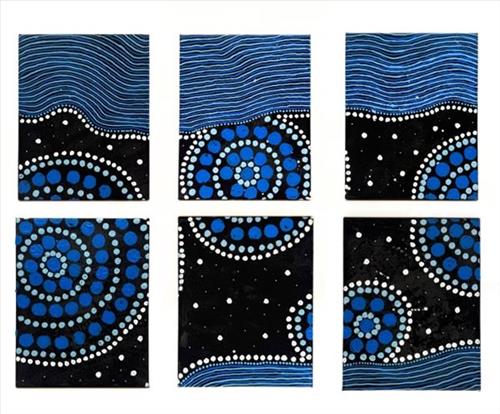
Yanha Dhuluwi – go straight ahead This is reflection of how I see and feel life, not just mine, but the way our people walk through the world. The lines at the top and bottom of the painting represent the passing of time. Time doesn’t stop, not for pain, not for joy. It moves like Country does, always breathing, always shifting. Life just keeps going, no matter what we go through. The grouping of dots in the centre shows the events in life that shape us. These are our moments of heartbreak, growth, loss, and strength. Sometimes when we’re deep in something, grief, hardship, or change, it feels like everything should stop. You feel frozen in that one point in time. But the world keeps moving around you. That’s what this painting is about. Yanha Dhuluwi – go straight ahead. It’s about pausing when you need to, holding space for what’s happened, then standing up and continuing your journey. It’s about resilience, about carrying our stories, our scars, and our strength with us, and walking forward proud. This is my story, but it’s also the story of our people. We’ve always kept going, through everything. And we always will