Ngayuku Walka / My Design
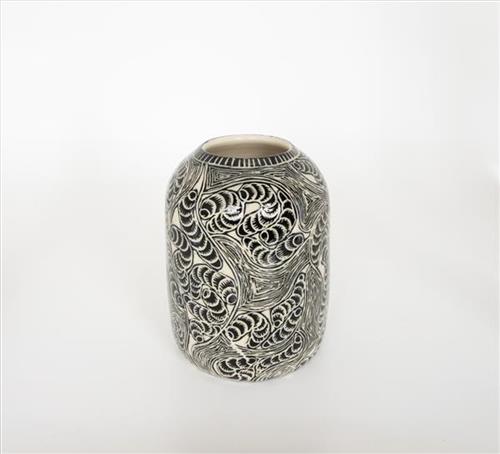
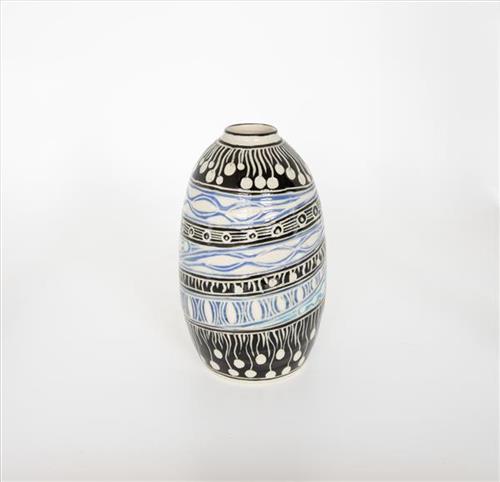
Walka means design or pattern. Artists use this title to describe artworks that are pattern based rather than descriptive or telling a story.
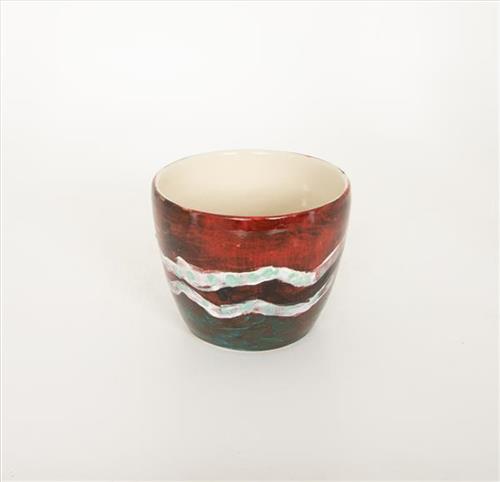
Walka means design or pattern. Artists use this title to describe artworks that are pattern based rather than descriptive or telling a story.
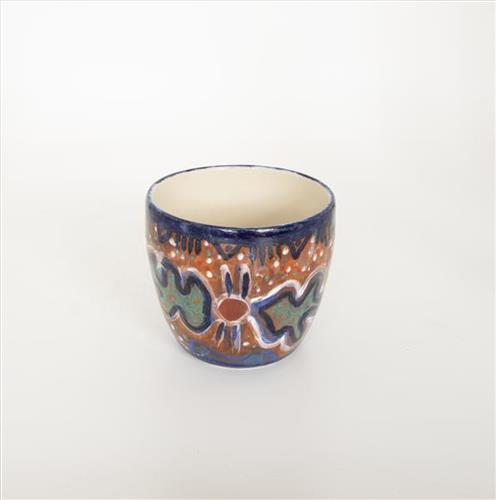
Walka means design or pattern. Artists use this title to describe artworks that are pattern based rather than descriptive or telling a story.
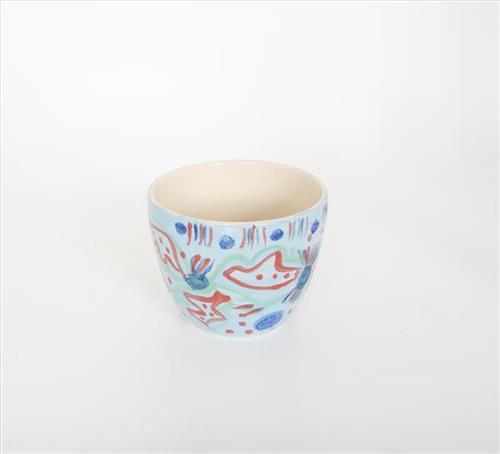
Walka means design or pattern. Artists use this title to describe artworks that are pattern based rather than descriptive or telling a story.
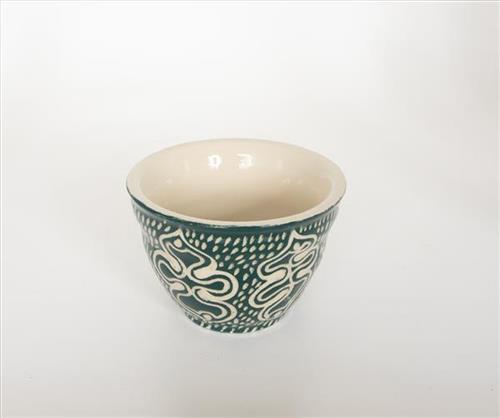
The well-known Anapalaku Walka evolved out of the very first drawings that children made in the Ernabella mission school in the 1940s. The children would often come to the Ernabella craft room (the precursor to today’s art centre) in the afternoon or during school holidays, making their doodles and designs that were the inspiration for the artists who then used this motif on various craft media. The designs are based on flowers, leaves and the rich colourful arid landscape of the Aṉangu Pitjantjatjara Yankunytjatjara (APY) Lands. The young girls grew older and many of them joined the art centre where they developed these designs into a distinctive artistic style. The Anapalaku Walka has been used by Ernabella artists for more than 75 years on floor rugs, batik, paintings and ceramics.
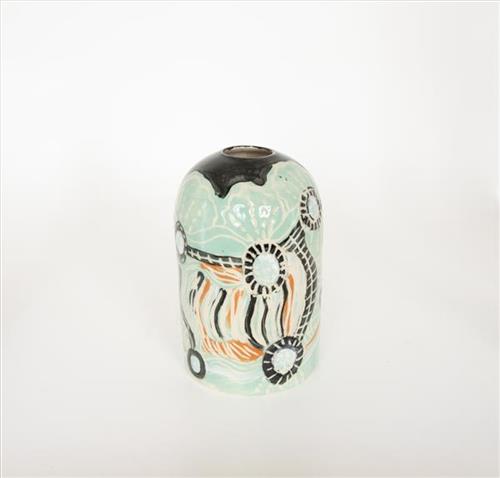
Walka means design or pattern. Artists use this title to describe artworks that are pattern based rather than descriptive or telling a story.
This is a tjukurpa (story) from near Mimili on the Aṉangu Pitjantjatjara Yankunytjatjara (APY) Lands from when Aṉangu (people) came here a long time ago. When the maku (witchetty grub) was finished, people sang the maku to make them come back. They sang and danced and scattered leaves to make the maku come out of the ground. This is Derek’s grandmother’s story. She used to dance to these songs when she lived in Mimili and she’s now buried there.
Derek’s cousin says: ‘So when they dance to that maku song, that song develops all the bush food – maku under the ground to grow more bigger and to have more maku in the roots. So when the ladies dig it they can see it really close in the roots as well. They can be like five of them but they have to be really, really big’.
Until relatively recently bush foods were the primary source of sustenance for Aṉangu and maku is still one of the favourites. Many bush foods are still gathered regularly almost exclusively by women, and they feature strongly in artistic mark making. Women learn the art of gathering each of the foods from a young age and much inma (ceremony) relates to these practices and the maintenance of supply.
Walka means design or pattern. Artists use this title to describe artworks that are pattern based rather than descriptive or telling a story.
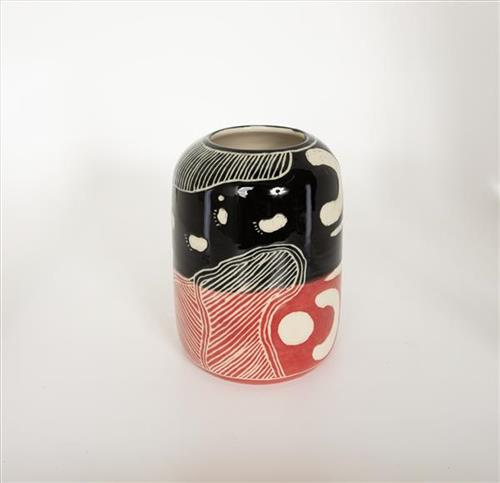
This is my great-grandmother’s Country, Renita’s grandmother. This is the story about that minyma (woman) that only got one leg so she walks with a stick. She went into that rock hole underground. It’s a good story.
This creation story is from near Kanpi in the Aṉangu Pitjantjatjara Yankunytjatjara (APY) Lands. Malila was a woman with one lame leg who often went hungry because she couldn’t search and hunt for food. She would have to wait for her two daughters to bring her meat so she could eat. She walked around like a dog on all fours and travelled a long way until she got to a place near Kanpi.
It was raining and her daughters helped her build a wiltja (bush hut) to get out of the rain. That wiltja is now an underground cave. One day her daughter brought her meat and Malila saw that it had been cooked by man and said to her daughters, ‘I’m not going to eat this meat. Who are these men? You must have husbands.’
She left her cave and went travelling further west where she came across some men and got really angry with them. The men hit her and she fell and rolled down a hill and died, creating some mountains along the way. Women are reminded of Malila when they are hungry. Many people tell this story, and the woman Malila stays in existence.
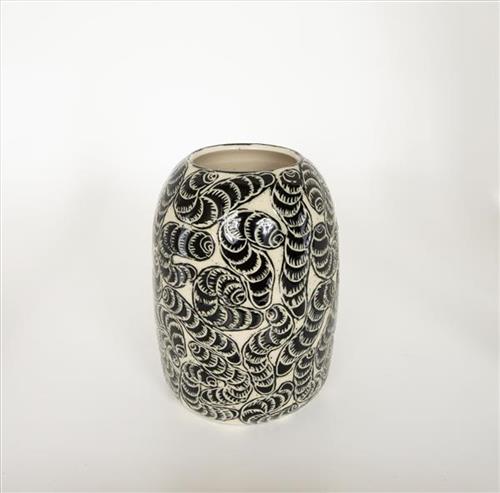
This is a tjukurpa (story) from near Mimili on the Aṉangu Pitjantjatjara Yankunytjatjara (APY) Lands from when Aṉangu (people) came here a long time ago. When the maku (witchetty grub) was finished, people sang the maku to make them come back. They sang and danced and scattered leaves to make the maku come out of the ground. This is Derek’s grandmother’s story. She used to dance to these songs when she lived in Mimili and she’s now buried there.
Derek’s cousin says: ‘So when they dance to that maku song, that song develops all the bush food – maku under the ground to grow more bigger and to have more maku in the roots. So when the ladies dig it they can see it really close in the roots as well. They can be like five of them but they have to be really, really big’.
Until relatively recently bush foods were the primary source of sustenance for Aṉangu and maku is still one of the favourites. Many bush foods are still gathered regularly almost exclusively by women, and they feature strongly in artistic mark making. Women learn the art of gathering each of the foods from a young age and much inma (ceremony) relates to these practices and the maintenance of supply.
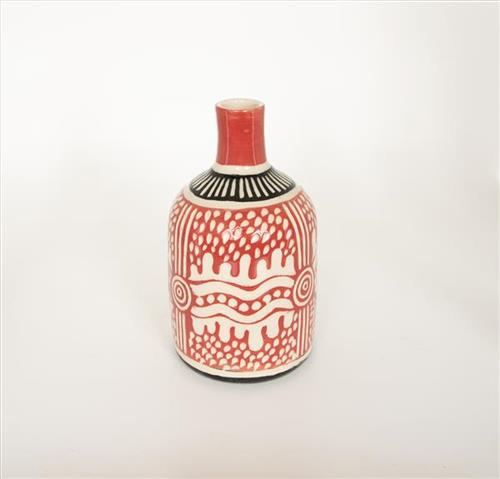
Walka means design or pattern. Artists use this title to describe artworks that are pattern based rather than descriptive or telling a story.