111582387265


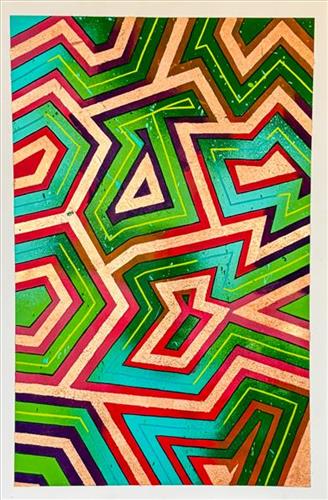
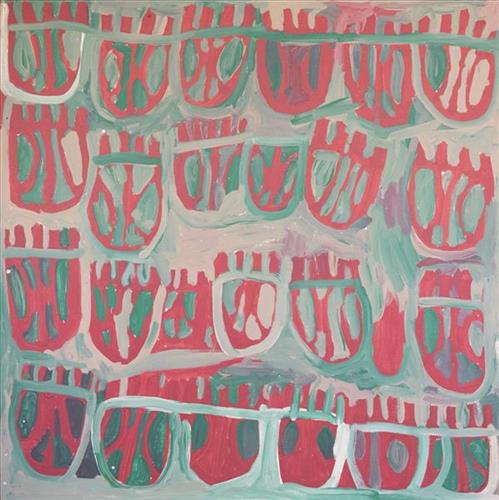
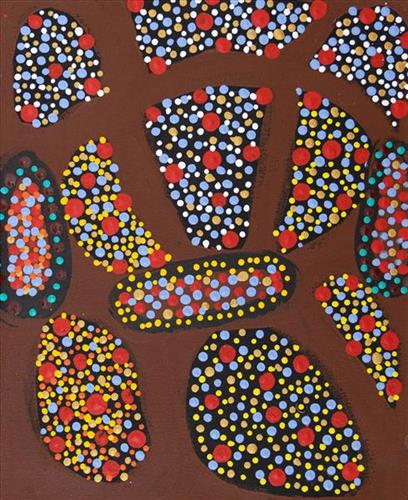
Linyji (Claypan) – Kuru Gladys Bidu

“This linyji (claypan) story, it’s about when the old people used to be living in the desert, a long, long time ago- thousands of years ago. They used to make a hole in the linyjii for the wilyki (seed), using the wind to separate the seed [from the husk; winnowing]. Also, when we used to be sick, old people used to wet the parna (sand/soil/earth) with the kapi (water), [then] mix it and use on burns. For headaches, they put it on the kata (head). Like a Band-Aid, or Panadol – pujiman (traditional, desert dwelling) way!“

– Kuru Gladys Bidu

This work depicts a linyji (claypan) within the artists’ ngurra (home Country, camp), typically represented with circular forms. Claypans were visited more often during the wet seasons as they filled with water. As Kuru here describes, besides being a valuable water source, claypans were also ingeniously utilized for the removal of husks from seeds before consumption. Additionally, the clay itself was applied topically for its healing properties, aiding in the treatment of burns and soothing headaches.

During the pujiman (traditional, desert dwelling) period, knowledge of water sources was critical for survival, and today Martu Country is still defined in terms of the location and type of water. Each of the hundreds of claypans, rockholes, waterholes, soaks and springs found in the Martu desert homelands is known through real life experience and the recounting of Jukurrpa (Dreaming) narratives by name, location, quality and seasonal availability. This encyclopedic knowledge extends even to the nature and movement of arterial waterways, and sustained Martu as they travelled across their Country, hunting and gathering, visiting family, and fulfilling ceremonial obligations. They would traverse very large distances annually, visiting specific areas in the dry and wet season depending on the availability of water and the corresponding cycles of plant and animal life on which hunting and gathering bush tucker was reliant.
111582387264


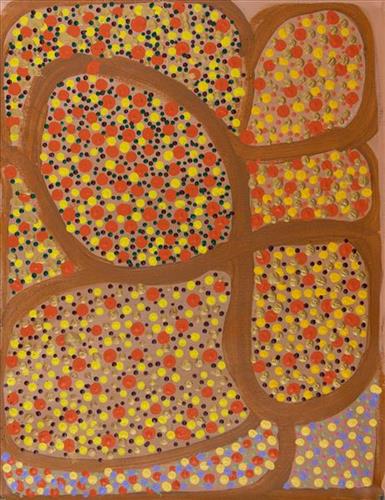
Linyji (Claypan) – Kuru Gladys Bidu

“This linyji (claypan) story, it’s about when the old people used to be living in the desert, a long, long time ago- thousands of years ago. They used to make a hole in the linyjii for the wilyki (seed), using the wind to separate the seed [from the husk; winnowing]. Also, when we used to be sick, old people used to wet the parna (sand/soil/earth) with the kapi (water), [then] mix it and use on burns. For headaches, they put it on the kata (head). Like a Band-Aid, or Panadol – pujiman (traditional, desert dwelling) way!“

– Kuru Gladys Bidu

This work depicts a linyji (claypan) within the artists’ ngurra (home Country, camp), typically represented with circular forms. Claypans were visited more often during the wet seasons as they filled with water. As Kuru here describes, besides being a valuable water source, claypans were also ingeniously utilized for the removal of husks from seeds before consumption. Additionally, the clay itself was applied topically for its healing properties, aiding in the treatment of burns and soothing headaches.

During the pujiman (traditional, desert dwelling) period, knowledge of water sources was critical for survival, and today Martu Country is still defined in terms of the location and type of water. Each of the hundreds of claypans, rockholes, waterholes, soaks and springs found in the Martu desert homelands is known through real life experience and the recounting of Jukurrpa (Dreaming) narratives by name, location, quality and seasonal availability. This encyclopedic knowledge extends even to the nature and movement of arterial waterways, and sustained Martu as they travelled across their Country, hunting and gathering, visiting family, and fulfilling ceremonial obligations. They would traverse very large distances annually, visiting specific areas in the dry and wet season depending on the availability of water and the corresponding cycles of plant and animal life on which hunting and gathering bush tucker was reliant.
222082387561


Clashing of Seasons

Clashing of seasons and how that has affected not only the flora and fauna but also the animals.

220982387573


Maisie Petyarre Bundey – Anhelengkw (Emu) Dreaming

Anhelengkw (emu) dreaming is the breast body painting depicting the story of the mother emu who runs away and leaves the father emu to look after the eggs until they hatch, he then raises the chicks.

This story is passed down through Maisie’s family and celebrated in dance.

115682387527


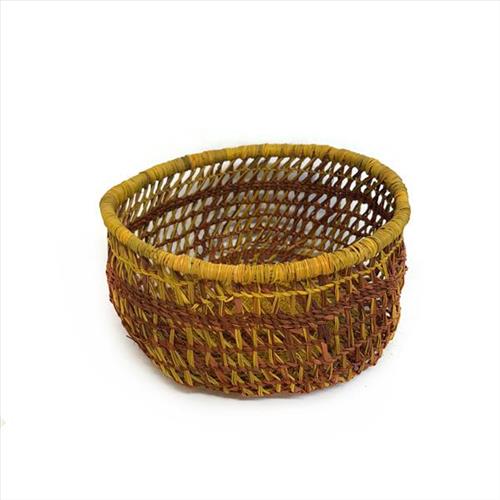
Bathi (Pandanus Basket)

Yolŋu weavers of Arnhem Land create utilitarian, ceremonial, and decorative pieces using naturally sourced materials. This Bathi (Pandanus Basket) is made from young Pandanus spiralis leaves, harvested with a wooden hook, stripped of prickles, and dried to create strong, resilient fibres. These fibres are then twisted, coiled, or woven using various techniques to produce both functional and decorative baskets.

Typically, Bathi are made using a coiling technique which was adapted from techniques used by Indigenous women throughout Southeast Australia. Introduced to Arnhem Land weavers in the 1930’s as Missionaries began commissioning pieces in this style.

Bula’bula weavers exclusively use natural dyes, derived from locally sourced roots, leaves and grasses. These pigments are extracted and infused into pandanus fibres by boiling over an open fire, producing the rich, vibrant colours characteristic of contemporary Yolŋu weavings.

221382387467


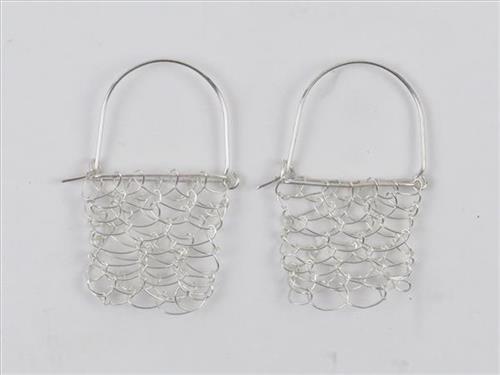
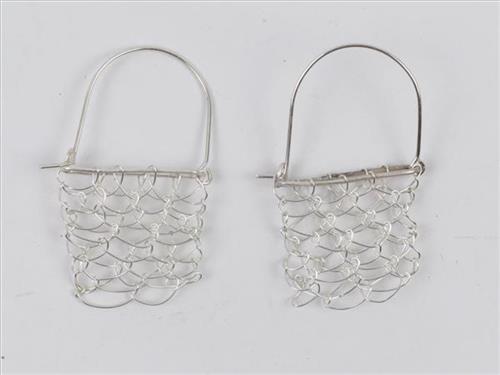
Handwoven Stringbag Earrings, Silver 925

Wagilak Yapa Watj (Wagilak Sisters) range –
exclusive jewellery from Indigenous women of Beswick. Developed in studio workshops with jeweller Kate Sale and weaver Fiona Gavino, traditional fibre artists are translating their skills into a series of fine woven wire earrings and pendants. Hand woven in sliver, gold and copper, traditional forms are transformed as delicate interpretations of string and dilly bags, baskets and mats.

Featuring sterling silver, 9ct gold and copper (all nickel-free work).

221382387466


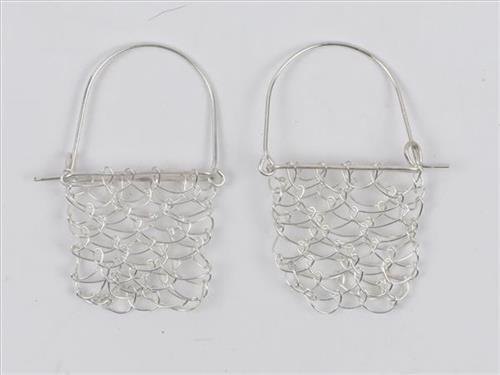
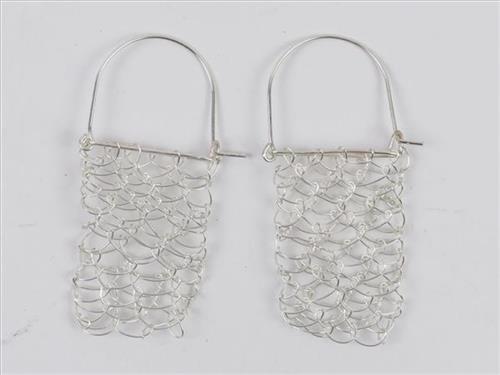
Handwoven Stringbag Earrings, Silver 925

Wagilak Yapa Watj (Wagilak Sisters) range –
exclusive jewellery from Indigenous women of Beswick. Developed in studio workshops with jeweller Kate Sale and weaver Fiona Gavino, traditional fibre artists are translating their skills into a series of fine woven wire earrings and pendants. Hand woven in sliver, gold and copper, traditional forms are transformed as delicate interpretations of string and dilly bags, baskets and mats.

Featuring sterling silver, 9ct gold and copper (all nickel-free work).

221382387465


Handwoven Stringbag Earrings, Silver 925

Wagilak Yapa Watj (Wagilak Sisters) range –
exclusive jewellery from Indigenous women of Beswick. Developed in studio workshops with jeweller Kate Sale and weaver Fiona Gavino, traditional fibre artists are translating their skills into a series of fine woven wire earrings and pendants. Hand woven in sliver, gold and copper, traditional forms are transformed as delicate interpretations of string and dilly bags, baskets and mats.

Featuring sterling silver, 9ct gold and copper (all nickel-free work).

221382387464


Handwoven Stringbag Earrings, Silver 925

Wagilak Yapa Watj (Wagilak Sisters) range –
exclusive jewellery from Indigenous women of Beswick. Developed in studio workshops with jeweller Kate Sale and weaver Fiona Gavino, traditional fibre artists are translating their skills into a series of fine woven wire earrings and pendants. Hand woven in sliver, gold and copper, traditional forms are transformed as delicate interpretations of string and dilly bags, baskets and mats.

Featuring sterling silver, 9ct gold and copper (all nickel-free work).