220282196571


Papa Tjukurrpa – Dog Dreaming

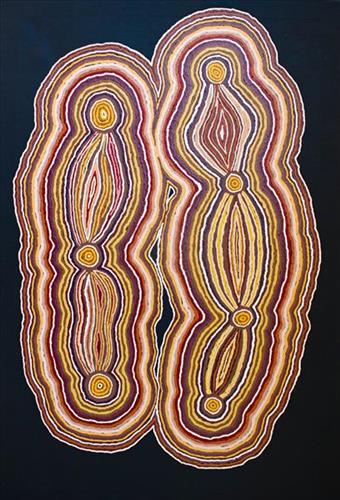
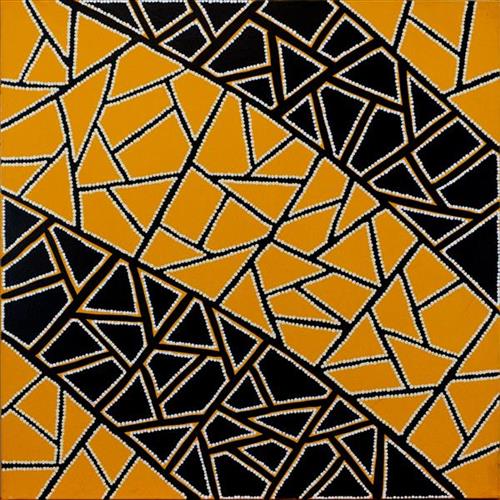
The story of this painting is Papa Tjukurrpa – Dog Dreaming. The country for this Tjukurrpa is at Nyuman, three hours south-west of Kintore. It is a little outstation. The dog lives at this place and can be seen as a rock. 

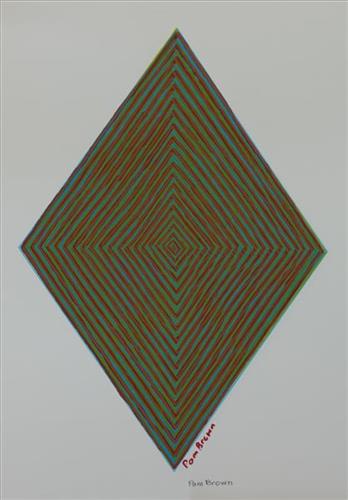
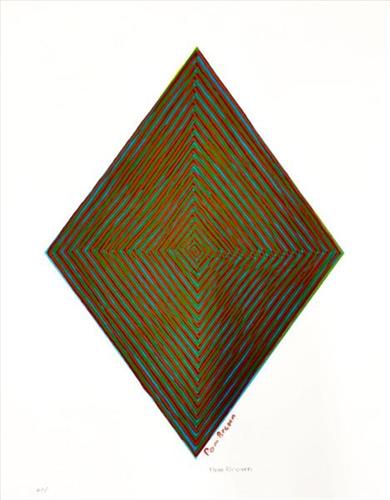
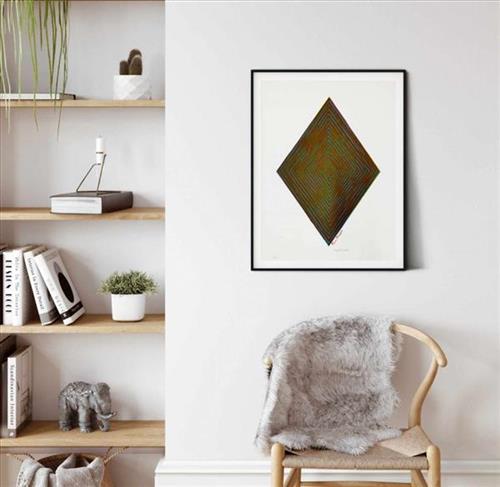
Pam paints the men’s ceremonial design associated with the Dog Dreaming. The diamond shape is painted as body design onto the men’s bodies during the ceremony. 


220282196551


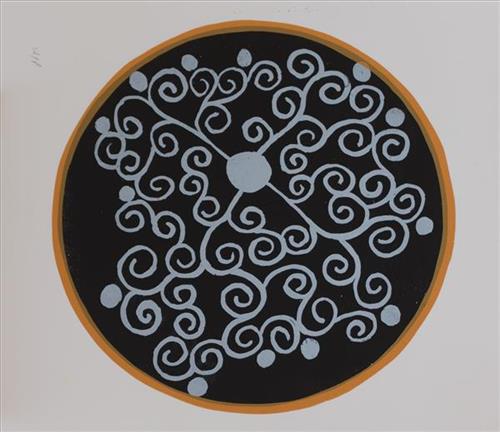
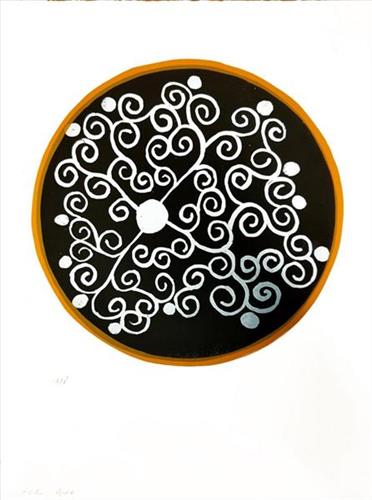
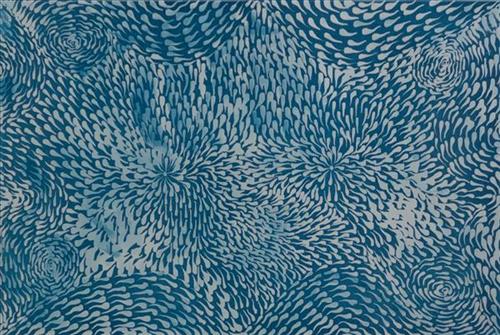
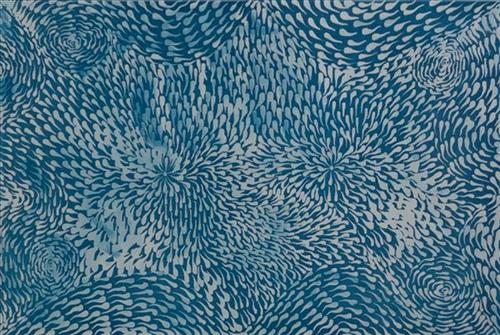
Yalka at Karinyarra

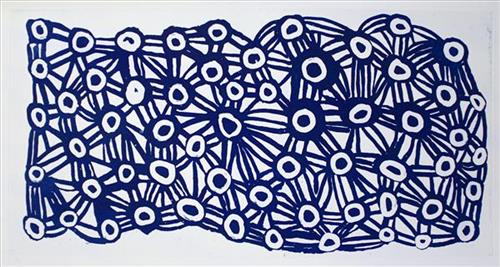
This is the story of the Napaltjarri women digging for yalka (bush onion) in Karinyarra (Mount Wedge) country. Karinyarra is a two-hour drive from Haasts Bluff and is the country of Japaltjarri men and Napaltjiarri women. The circle shapes depict the women digging for bush onion, the hills are the curved lines and the rivers are the lines. There are camels walking around in this country. Bush onion is used for eating and for making a drinking bush medicine. There is bush onion growing all year round, one can find them around the rockholes. The yalka is harvested by using a stick and digging it into the ground to make it soft, then the yalka can be taken out by hand.

“This is my grandfather’s Dreaming. He is my mother’s father and this Dreaming is from her line. Here, women are digging for bush onion around the river in Karinyarra – north of Papunya. The lines in my paintings show the rivers. The circular shapes are the woman digging for the bush onion around the rockholes.”

114182201115


Kungkarrangkalpa (Seven Sisters)

‘Kungkarrangkalpa’ (The Seven Sisters or Pleaides) is significant Tjukurrpa (dreamtime). Its origins you may be familiar with in astronomy and its connection to ‘Wati Nyiru’ (Magic Man or Orion).  The roots of this dreaming stems across indigenous groups around the world. The Australian Aboriginal songline is one part to the whole dreaming which can be traced all around the world. The ladies of the Ngaanyatjarra Lands depict their significant chapter and understanding of the journey of the sisters. The different versions of this story depend on where you live and the significance’s of local Tjukurrpa places.

Nyiru fell in love with the sisters but he was of the wrong skin group to marry, but he still pursued them on their journey. The sisters travel across the land to escape Nyiru’s unwanted attentions, but he is persistent and always finds them. There are significant land forms which can be sited today that evidence this dreaming. As Nyiru is chasing the sisters he tries to catch them by using magic to turn into the most tempting kampurarrpa (bush tomato) and the most beautiful Yirli (wild fig tree), for them to eat and camp under. However, the sisters are knowledgeable of his magic and too clever for Nyiru who they outwit again and again. They go hungry and run through the night rather than be caught by him. As the journey continues, Nyiru gets so frustrated at the wit of the sisters that he uses his magic to make the oldest sister sick to try and get closer to her. The other sisters rescue the big sister and nurse her back to health. It is said he also captures the youngest sister, but with the help of the oldest sister, she escapes back to her sisters who are waiting for her. Eventually, the sisters fly into the sky to escape Nyiru, forming the constellation. Nyiru felt lonely, longing for the sisters who were so far away. Nyiru used his magic to go to the sky, forever in pursuit.

220282244677


Yalka at Karrkurutinytja (Bush onion Dreaming at Lake Macdonald)

Daphne was passed down the right to paint the Yalka Tjukurrpa at Karrkurutinytja (Bush onion dreaming at Lake Macdonald) from her grandmother, Narputta Nangala Jugadai. Narputta, who was a founding member of Ikuntji art centre and a prolific painter, was born close to this sight.


Daphne says,


 “My grandmother, Narputta used to make that painting. She told me that story. I used to work here (Ikuntji Women’s Centre) as a cook. I came to learn here. I saw my grandma painting. I learnt from her. She told me that story…Yalka…Bush food…For a long time those old ladies have been looking for Yalka, digging for Yalka, taking the fruit, cooking it in the fire. We cook them just a little bit, like Maku (witchetty grub). I have been looking for that Yalka with my grandmother.”


Yalka Tjukurrpa, as told by Narputta,


“Creek bed at Karrkurutinytja. Two old women, two Nungurrayi, came across from Pulpa and started Gathering bush  onions, putting them into coolamons. They went on a journey west. They approached a group of men and watched them, whilst hiding in the bushed at Pimarrpa (Soakage near Kiwirrkura). There was another lady, Alkiljarra Nakamarra, who came along on their tracks. She saw them where they had gathered bush onions. She became upset that they’d gathered them all up and there were none left. The Nakamarra started walking and came across the creek, where she started collecing mungilpa (a staple seed food for the Pintupi people).  She came across two Tjangalas (Mungilnga and Tiwilgna). Next to them was a rockhole and Atjakalya Nakamarra, who was making damper for them. Mungilnga had the smaller damper. The two Tjangalas ate their damper then she flew off and became a rock there at Kurultu.”

220282244673


Yalka at Karrkurutinytja (Bush onion Dreaming at Lake Macdonald)

Daphne was passed down the right to paint the Yalka Tjukurrpa at Karrkurutinytja (Bush onion dreaming at Lake Macdonald) from her grandmother, Narputta Nangala Jugadai. Narputta, who was a founding member of Ikuntji art centre and a prolific painter, was born close to this sight.


Daphne says,


 “My grandmother, Narputta used to make that painting. She told me that story. I used to work here (Ikuntji Women’s Centre) as a cook. I came to learn here. I saw my grandma painting. I learnt from her. She told me that story…Yalka…Bush food…For a long time those old ladies have been looking for Yalka, digging for Yalka, taking the fruit, cooking it in the fire. We cook them just a little bit, like Maku (witchetty grub). I have been looking for that Yalka with my grandmother.”


Yalka Tjukurrpa, as told by Narputta,


“Creek bed at Karrkurutinytja. Two old women, two Nungurrayi, came across from Pulpa and started Gathering bush  onions, putting them into coolamons. They went on a journey west. They approached a group of men and watched them, whilst hiding in the bushed at Pimarrpa (Soakage near Kiwirrkura). There was another lady, Alkiljarra Nakamarra, who came along on their tracks. She saw them where they had gathered bush onions. She became upset that they’d gathered them all up and there were none left. The Nakamarra started walking and came across the creek, where she started collecing mungilpa (a staple seed food for the Pintupi people).  She came across two Tjangalas (Mungilnga and Tiwilgna). Next to them was a rockhole and Atjakalya Nakamarra, who was making damper for them. Mungilnga had the smaller damper. The two Tjangalas ate their damper then she flew off and became a rock there at Kurultu.”
220282244672


Yalka at Karrkurutinytja (Bush onion Dreaming at Lake Macdonald)

Daphne was passed down the right to paint the Yalka Tjukurrpa at Karrkurutinytja (Bush onion dreaming at Lake Macdonald) from her grandmother, Narputta Nangala Jugadai. Narputta, who was a founding member of Ikuntji art centre and a prolific painter, was born close to this sight.


Daphne says,


 “My grandmother, Narputta used to make that painting. She told me that story. I used to work here (Ikuntji Women’s Centre) as a cook. I came to learn here. I saw my grandma painting. I learnt from her. She told me that story…Yalka…Bush food…For a long time those old ladies have been looking for Yalka, digging for Yalka, taking the fruit, cooking it in the fire. We cook them just a little bit, like Maku (witchetty grub). I have been looking for that Yalka with my grandmother.”


Yalka Tjukurrpa, as told by Narputta,


“Creek bed at Karrkurutinytja. Two old women, two Nungurrayi, came across from Pulpa and started Gathering bush  onions, putting them into coolamons. They went on a journey west. They approached a group of men and watched them, whilst hiding in the bushed at Pimarrpa (Soakage near Kiwirrkura). There was another lady, Alkiljarra Nakamarra, who came along on their tracks. She saw them where they had gathered bush onions. She became upset that they’d gathered them all up and there were none left. The Nakamarra started walking and came across the creek, where she started collecing mungilpa (a staple seed food for the Pintupi people).  She came across two Tjangalas (Mungilnga and Tiwilgna). Next to them was a rockhole and Atjakalya Nakamarra, who was making damper for them. Mungilnga had the smaller damper. The two Tjangalas ate their damper then she flew off and became a rock there at Kurultu.”
220282244636


Tjilkamala – Porcupine rockhole

This is the story of Tjilkamala – the porcupine man. He is travelling around Talaalpi, west of Kintore and is looking for ants. He digs for them in the ground and creates holes. Meanwhile tracking behind him are women out hunting, hoping to make the porcupine their tucker for the evening. These holes fill with water after the rain and with the morning dew. Over many years they have become rockholes.
This work is the story of Alice’s personal Tjukurrpa (Dreaming) – the Porcupine. The setting is the rockholes in and around the swamp of Talaalpi in Western Australia.

220282279540


Pikilyi (Vaughn Springs)

This painting shows Pikilyi (Vaughn Springs) west of Yuendumu. This is Erin’s grandfather’s and great-grandfather’s country. The designs show the skin groups of the Tjapanangkas and the Tjapangardis. The designs represent Pikilyi.