111982401484
An-gujechiya (Fish Trap)
To make fish traps and fish net fences artists firstly get vine (mirlarl) from the jungle and they put it in water for one night to make it soft. Next they start weaving it; they make rings for the inside to keep the fish trap’s shape. Artists work for three or four weeks on the fish trap. They also make string from kurrajong (burdaga) to attach the hibiscus (bardainy) rings and to tie the conical end of the fish trap. This fish trap is used in saltwater and freshwater. People also use fish net fences called mun-dirra. A long time ago they would put the mun-dirra across rivers and creeks. In the middle they would place the an-gujechiya. They also used small things like sticks, rocks, mud and grass to block the fish from going through. People would then catch fish like saltwater barramundi rajarra, freshwater barramundi (janambal), small black freshwater catfish (buliya), bonefish (an-guwirrpiya), and sand bass (dalakan) in these fish traps.

220182401482
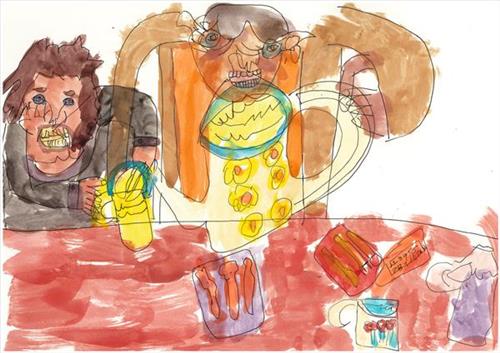
Daughter & Father Drinking Tea & Working & Sandwich & KFC & Pizza

220182401480
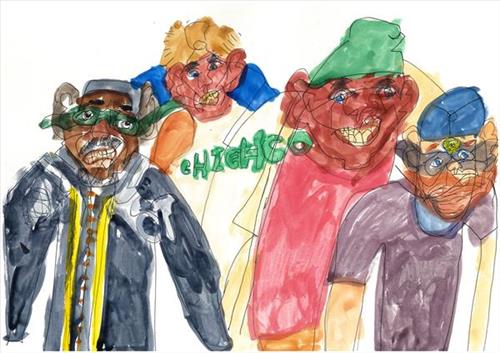
Geoffrey, Irene, Jacinta and Mike

220182401476
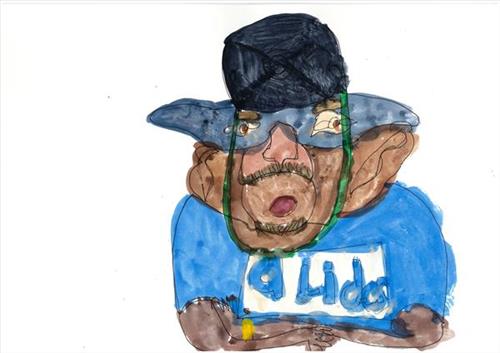
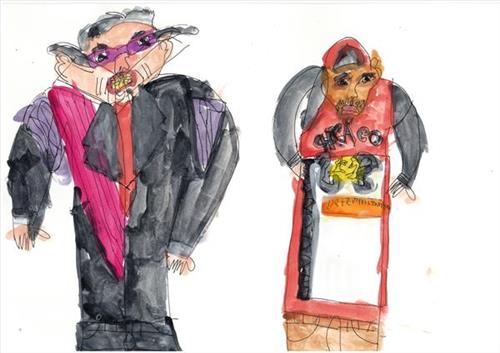
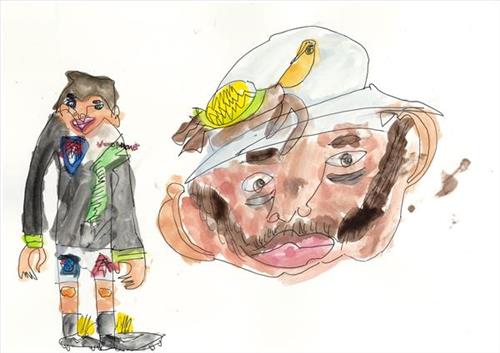
Conway, Adidas & Cap, Port Adelaide & Eye Glass

220182401475
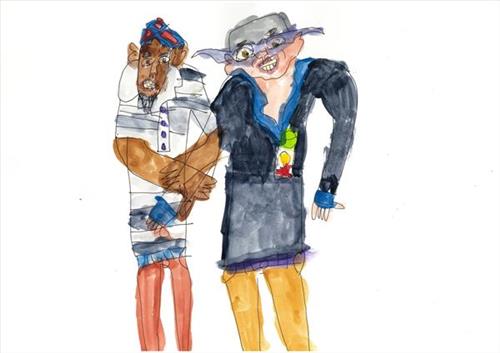
Conway..Young Man, and Sandra..Big Woman

220182401474
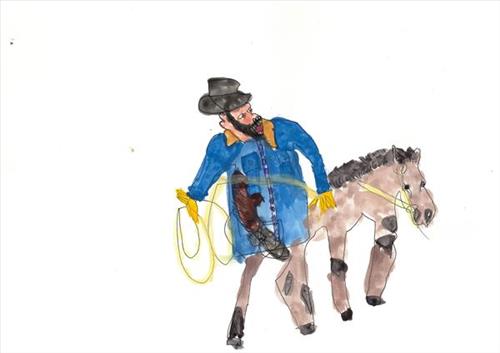
Andrew Brumby Standing on the Horse, Walking

220182401473
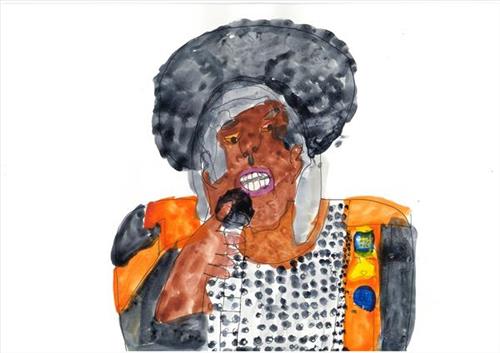
Big Lady Talking
111982401472
Jin-gubardabiya
A large woven oblong mat, worn as a skirt or a shawl.*
Jin-gubardabiya is one of the most important An-nguliny clan designs.
The descriptive Gun-nartpa word jin-gubardabiya literally means ‘she who fans herself’ or ‘she who waves herself’. It is used to describe mermaids and it is sometimes used to refer to the conception spirits that live in the clan waterhole.
*Source: Burarra-Gun-nartpa Dictionary, Summer Institute of Linguistics, NT, 1994
All other information is sourced from: Gun-naypa Rrawa – My Country by Crusoe Batara England, Patrick Muchana Litchfield, Raymon Walanggay England and Margaret Carew; Batchelor Press, 2014, pp 14-17.