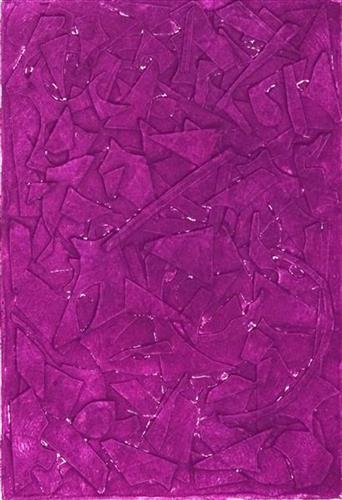
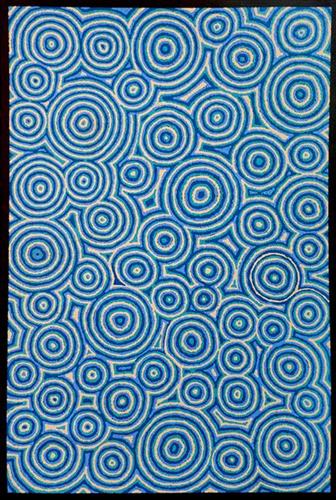
359709482410189


Think Happy Thoughts

Focus on positive and uplifting thoughts by practicing gratitude, surrounding yourself with positive people, and celebrating your accomplishment.

Art Centre notes:

Image size: 21 x 15cm

Paper size: 39 x 27cm

The artwork is a collagraph, printed on Hahnamule paper (100% cotton rag with strong archival properties). The textures in the work are drawn from a range of natural fibres, plants and other surfaces. 

359709482410187


Fascinating

I want to capture your attention and make you want to learn more. Life is art, enjoy it.

Art Centre notes:

Image size: 21 x 15cm

Paper size: 39 x 27cm

The artwork is a collagraph, printed on Hahnamule paper (100% cotton rag with strong archival properties). The textures in the work are drawn from a range of natural fibres, plants and other surfaces. 

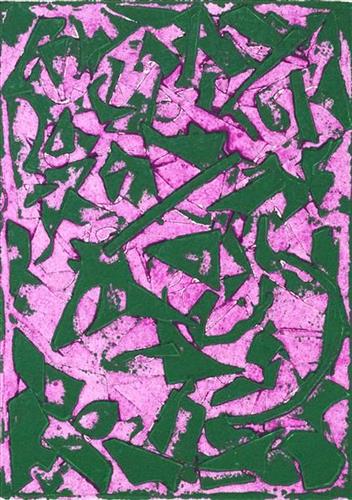
359709482410186


Just keep walking

Don’t regret the past, Just learn from it.


Art centre notes:

Paper Size: 39 x 27cm

Image Size: 21 x 15cm

The artwork is an Drypoint method printed on Hahnamule paper 100% cotton rag with strong archival properties.

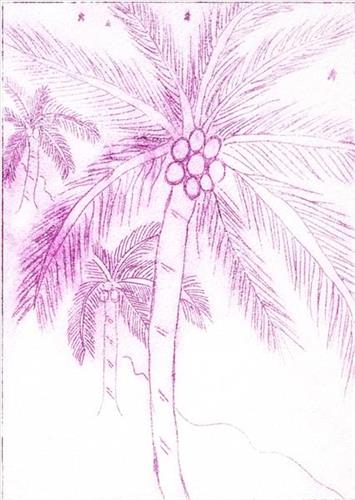
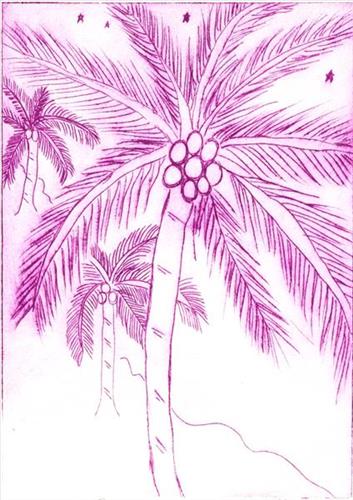
359709482410184


Purple Sunset

Clear your mind watch the sky.

Art centre notes:

Paper Size: 39 x 27cm

Image Size: 21 x 15cm

The artwork is an Drypoint method printed on Hahnamule paper 100% cotton rag with strong archival properties.

359709482410166


Sandy flower

If a flower can flourish in the desert you can flourish anywhere.


Art Centre notes:

Image size: 21 x 15cm

Paper size: 39 x 27cm

The artwork is a collagraph, printed on Hahnamule paper (100% cotton rag with strong archival properties). The textures in the work are drawn from a range of natural fibres, plants and other surfaces.

377810582410342


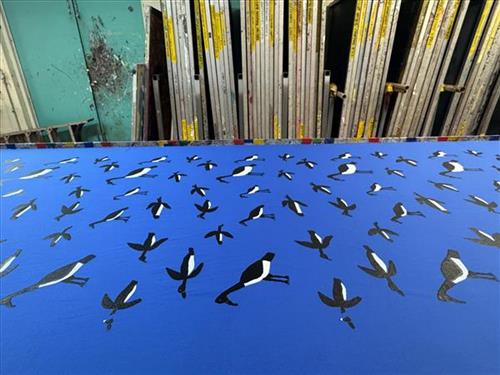
Murnubbarr Karrolkan (Flying Magpie Geese)

Murnubbarr (magpie geese) are a waterbird found in abundance in the wetland areas of Kakadu and western Arnhem Land. Murnubbarr are a sustainably hunted and enjoyed manme (bush food). They are known to fly long distances, particularly in the wet season.

115682410133


Woven Mat

Yolŋu weavers of Arnhem Land create utilitarian, ceremonial, and decorative pieces using naturally sourced materials. This mat is made from young Pandanus spiralis leaves, harvested with a wooden hook, stripped of prickles, and dried to create strong, resilient fibres. These fibres are then twisted, coiled, or woven using traditional techniques to produce both functional and decorative mats.

Bula’bula weavers exclusively use natural dyes, derived from locally sourced roots, leaves and grasses. These pigments are extracted and infused into pandanus fibres by boiling over an open fire, producing the rich, vibrant colours characteristic of contemporary Yolŋu weavings.

Traditionally, Nganiyal (conical mats) functioned as insect screens when erected and as seating mats when folded, playing an important role in both daily life and ceremonial practices. Today, Yolŋu artists create a variety of shapes, including flat, round, and oblong mats. These non-traditional styles and the use of bright colours became more common after Missionaries began commissioning pieces in this style.

111582410309


Pitu (Separation Well)

“Pitu (Separation Well) is my grandfather’s Country, Wikiri is my nanna’s country, GJ (Georgia) Bore is my mama’s country and in the middle is Wantili.

I’m painting the Country. My grandmother and grandfather was from this Country. They walked around eating, hunting, making fire from the spinifex on this Country.

You can see all the way through; GJ Bore to Pitu, with Wantili in the middle. Ngayuku ngurra (my home Country, camp). That’s my home.”

– Brett Bidu

In this work Brett depicts his ngurra. The Western Desert term ‘ngurra’ is hugely versatile in application. Broadly denoting birthplace and belonging, ngurra can refer to a body of water, a camp site, a large area of Country, or even a modern house. People identify with their ngurra in terms of specific rights and responsibilities, and the possession of intimate knowledge of the physical and cultural properties of one’s Country. This knowledge is traditionally passed intergenerationally through family connections. Country for Martu is full of memory; not just the memory of their own movement through it, but also of their family. 

Painting ngurra, and in so doing sharing the Jukurrpa (Dreaming) stories and physical characteristics of that place, has today become an important means of cultural maintenance. Physical maintenance of one’s ngurra, like cultural maintenance, ensures a site’s wellbeing, and is a responsibility of the people belonging to that area.  

Pitu is an important cultural site and large soak located yulparirra (south) of Wuranu (Canning Stock Route Well 29) and Kulilu rockhole and soak. As a site where fresh water was available all year, Pitu was an important camp and a meeting place for Kartujarra and Manyjilyjarra people during the pujiman (traditional, desert dwelling) era.

Wikiri (Midway Well) is a large soak and claypan located southeast of Parnngurr Aboriginal community. A windmill has been built at the site to access the permanent underground water available there. The many foods and seeds found at Wikiri were left by ancestors in the Jukurrpa (Dreaming), Wirnpa and Jaramarra, rainmaking snakes that now reside around the Great Sandy Desert’s Percival Lakes region, and at the northernmost boundary of Martu Country.

Wantili (Warntili, Canning Stock Route Well 25) is a large round jurnu (soak) and linyji (claypan) near Well 25 on the Canning Stock Route. It is also an incredibly important cultural site, ‘where the creation started.’ (Cyril Whyoulter). The area is dominated by claypans surrounded by tuwa (sandhills), and Nyilangkurr, a prominent yapu (hill) is located on the edge of the claypan. Following rain the typically dry claypans are filled with water, with the overflow from nearby waterholes flowing to Wantili. At that time, Wantili becomes an important place for obtaining fresh water for drinking and bathing. Wantili is significant for the fact that at this site Kartujarra, Manyjilyjarra, Putijarra and Warnman people would all come together for ceremonies during the pujiman era. Many jiwa (stones used by women for grinding seeds) from these times can still be found there today. 
377810582410343


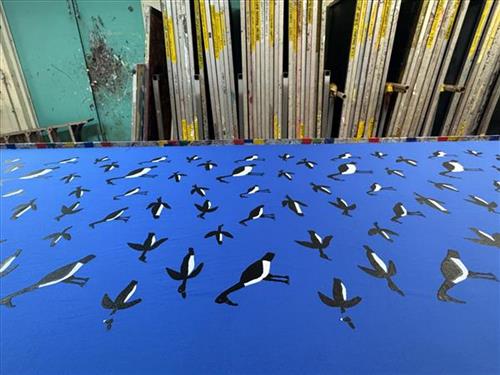
Murnubbarr Karrolkan (Flying Magpie Geese)

Murnubbarr (magpie geese) are a waterbird found in abundance in the wetland areas of Kakadu and western Arnhem Land. Murnubbarr are a sustainably hunted and enjoyed manme (bush food). They are known to fly long distances, particularly in the wet season.

114182410337


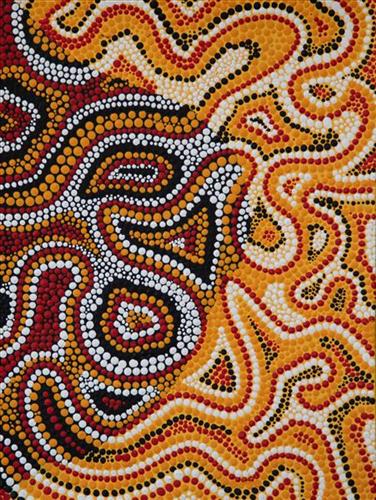
Lukarrara Tjukurrpa – Margie Leo

In this artwork Margie has painted Lukarrara Tjukurrpa (Desert Fringe Rush Seed Dreaming). This Tjukurrpa comes from a place north of Yuendumu in the Northern Territory where Margie is from.