225182407299


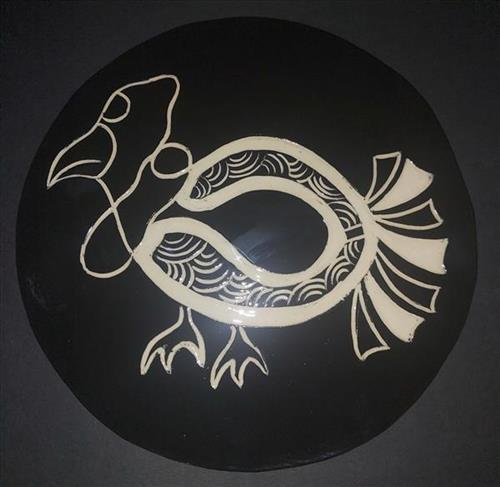
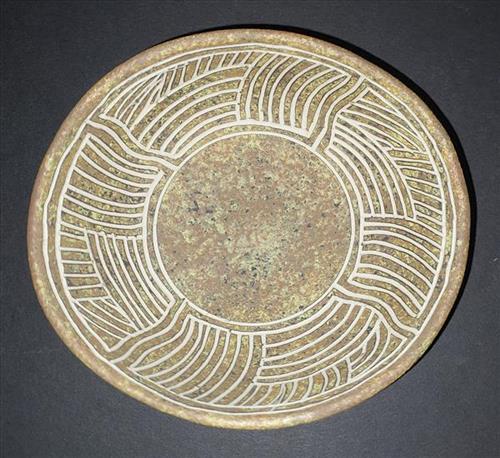
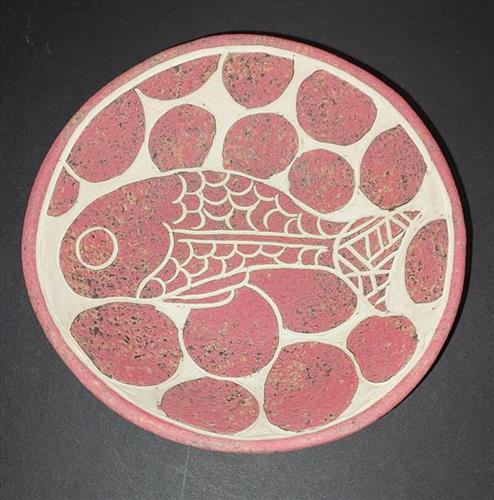
Diwan (Scrub Turkey)

Many years ago, our ancestors lived in harmony with the rainforest and other parts of the land, they knew many different ways of hunting and gathering for food. Diwan (Scrub Turkey) was an important food source for us. The women used to collect the eggs in a special way. They danced around the big nests while other women dived into the big nest with their arms. The eggs are found very deep down, in the warmest area of the nest. Diwan (Scrub turkey) is deeply connected with the Kuku Yalanji clans. It is an important Totem that is still sung and danced in public ceremonies today.

225182407298


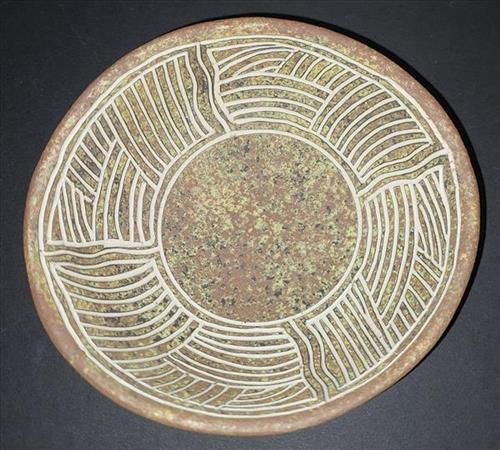
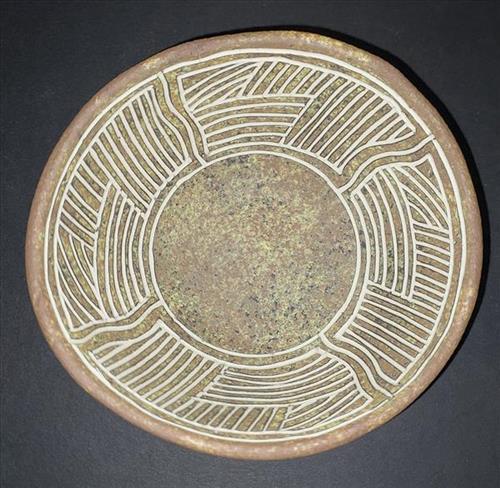
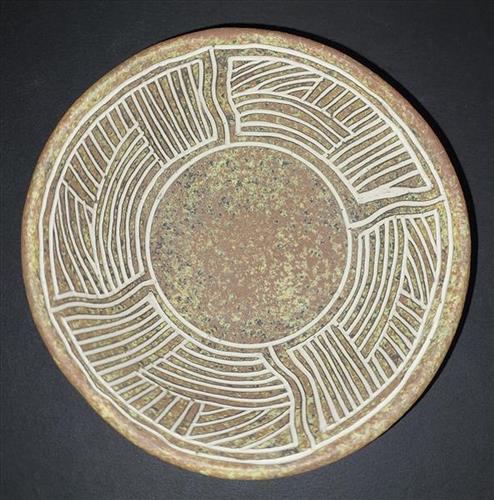
Kunjuri (Rainforest Shield)

Traditional shields were carved from a single piece of timber cut from side of the buttress root of a rainforest fig-tree. The kidney shaped shields are unique to the rainforest Bama of Far North Queensland. They were decorated with clan, totem or moiety designs using natural ochres and a water, fat or blood binder.

Shields were primarily used for deflecting spears in tribal fighting in conjunction with large rainforest swords.

Shields were usually made and painted by senior men and were a significant personal possession of adult males.

225182407294


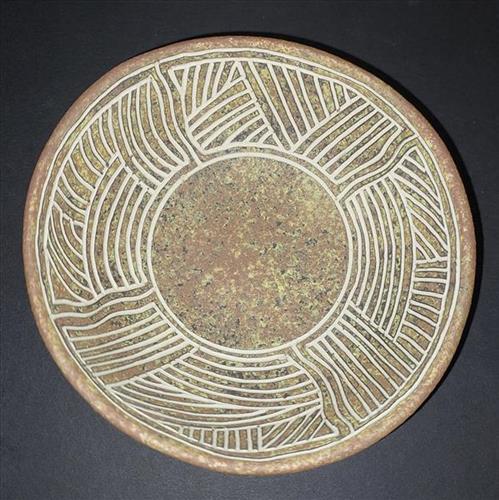
Kunjuri (Rainforest Shield)

Traditional shields were carved from a single piece of timber cut from side of the buttress root of a rainforest fig-tree. The kidney shaped shields are unique to the rainforest Bama of Far North Queensland. They were decorated with clan, totem or moiety designs using natural ochres and a water, fat or blood binder.

Shields were primarily used for deflecting spears in tribal fighting in conjunction with large rainforest swords.

Shields were usually made and painted by senior men and were a significant personal possession of adult males.

225182407292


Kunjuri (Rainforest Shield)

Traditional shields were carved from a single piece of timber cut from side of the buttress root of a rainforest fig-tree. The kidney shaped shields are unique to the rainforest Bama of Far North Queensland. They were decorated with clan, totem or moiety designs using natural ochres and a water, fat or blood binder.

Shields were primarily used for deflecting spears in tribal fighting in conjunction with large rainforest swords.

Shields were usually made and painted by senior men and were a significant personal possession of adult males.

225182407291


Kunjuri (Rainforest Shield)

Traditional shields were carved from a single piece of timber cut from side of the buttress root of a rainforest fig-tree. The kidney shaped shields are unique to the rainforest Bama of Far North Queensland. They were decorated with clan, totem or moiety designs using natural ochres and a water, fat or blood binder.

Shields were primarily used for deflecting spears in tribal fighting in conjunction with large rainforest swords.

Shields were usually made and painted by senior men and were a significant personal possession of adult males.

225182407290


Kunjuri (Rainforest Shield)

Traditional shields were carved from a single piece of timber cut from side of the buttress root of a rainforest fig-tree. The kidney shaped shields are unique to the rainforest Bama of Far North Queensland. They were decorated with clan, totem or moiety designs using natural ochres and a water, fat or blood binder.

Shields were primarily used for deflecting spears in tribal fighting in conjunction with large rainforest swords.

Shields were usually made and painted by senior men and were a significant personal possession of adult males.

114182407258


Tjitji kutjarra – Two boys

This is the story of the two boys, though some say it was two brothers or a brother and sister, living around Mantamaru (Jameson). One day they saw the track of a big snake, they followed and eventually caught and ate. Unbeknownst, the brothers they had eaten a spirit or magical snake.

The next day the brothers felt unwell. Any task became hard and their walking slowed down. Gradually they became slower and slower until they reach the top of a hill where no longer able to move they turned to stone.  

Driving east from Jameson (on your left) you can see two lonely up-right rocks, one smaller than the other on the top of a hill which are called Tjitji (child) Kutjarra (two).

114182407257


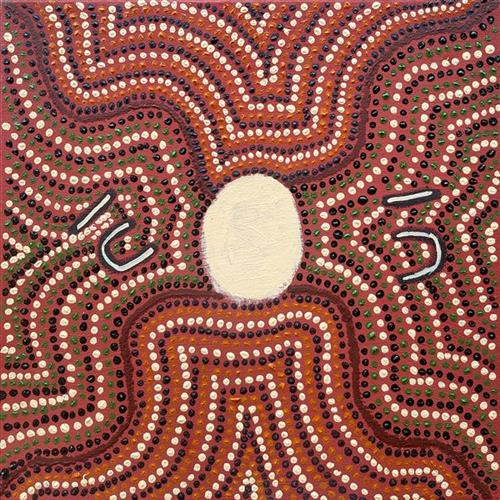
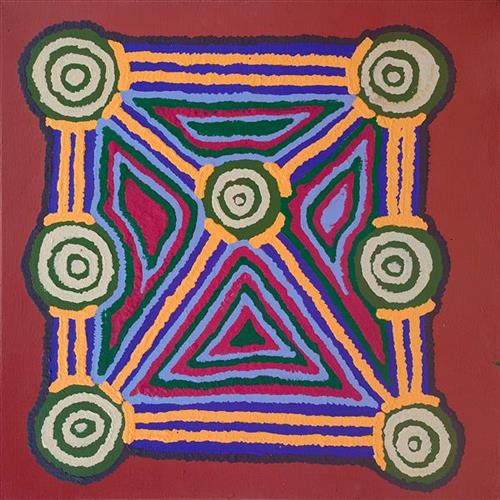
‘Kungkarrangkalpa’ (The Seven Sisters / Pleiades)

‘Kungkarrangkalpa’ (The Seven Sisters / Pleiades) is an important Tjukurrpa (Dreaming) across the Ngaanyatjarra Lands. Many families hold knowledge for different parts of this story, and each community paints its own chapter according to Country and ancestral responsibility.

Angela’s paintings focus on the celestial aspect of the story — the moment the sisters move from the earth into the sky. The star cluster becomes the seven bright forms she paints: six surrounding one, often arranged like a shield pattern. This reflects the way the sisters move together, protect each other, and travel as a tight group while fleeing Wati Nyiru, who appears in the sky as Orion’s Belt.

Nyiru follows the sisters across Country, disguising himself with magic — turning into kampurarrpa (bush tomato), a yirli (wild fig), or even a tree — trying to tempt them. But the sisters see through his tricks, outwit him, and keep running. When the chase becomes too much, they rise into the sky, forming the Pleiades. Nyiru follows them, always behind, never close enough.

Angela expresses this story using bold, high-contrast colours and strong circular forms. Her shield-like shapes represent the sisters’ strength and unity, while the central star often marks the eldest sister — the one the others protect along the journey. Through her palette and composition, Angela brings the energy, movement, and brightness of the sky-world into her canvas.

This painting is a contemporary interpretation of a cultural story carried across generations, connecting sky, Country, and ancestral memory.