225182416462


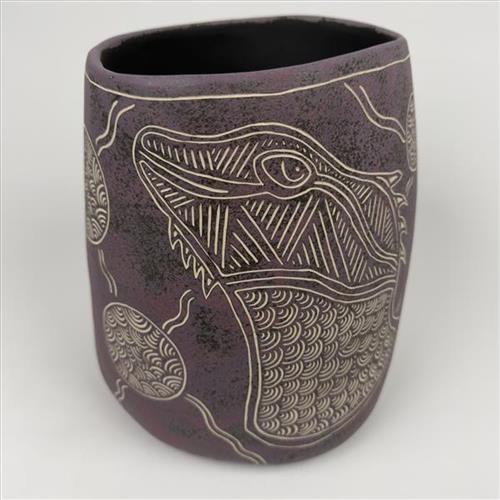
Jalbil (Boyd’s Rainforest Dragon)

Jalbil, the rainforest dragon, is a small and gentle lizard that feeds on insects. It is very hard to see in the rainforest because it takes on the colour and patterns of the environment. The male dragons are very colourful. Jalbil are spiritual messenger for Kuku Yalanji that bring us and our families good luck. We also use Jalbil as mascot for our local football team.
225182416457


Kakan (Black Palm) Basket Weaving

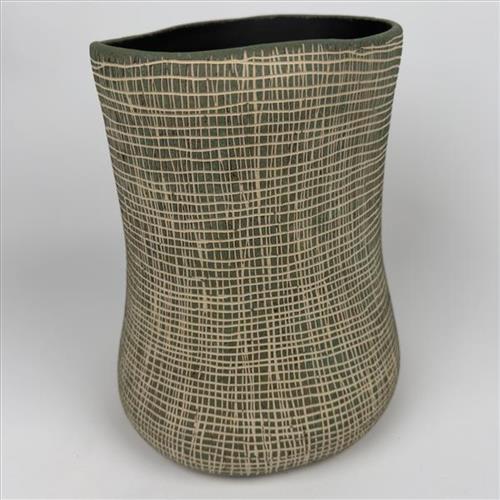
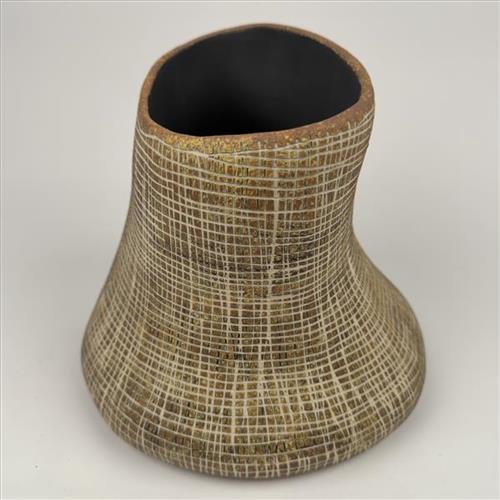
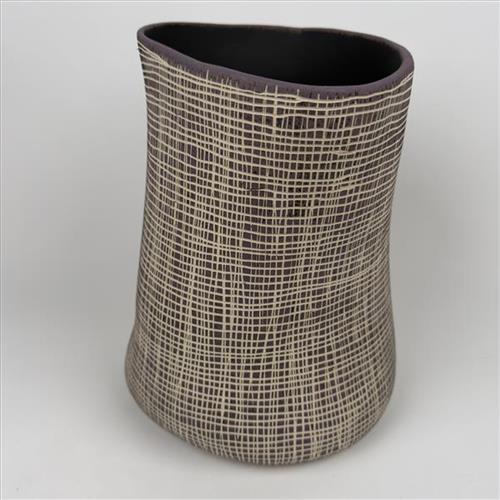
This design shows how the bottom part of a black palm basket is woven. My grandmothers and aunties used to make them. They cut off the young palm leaves in the centre, stripped and scrapped them. Then they would put the strips in freshwater to make them soft and keep them straight for weaving.

225182416456


Kakan (Black Palm) Basket Weaving

This design shows how the bottom part of a black palm basket is woven. My grandmothers and aunties used to make them. They cut off the young palm leaves in the centre, stripped and scrapped them. Then they would put the strips in freshwater to make them soft and keep them straight for weaving.

225182416455


Kakan (Black Palm) Basket Weaving

This design shows how the bottom part of a black palm basket is woven. My grandmothers and aunties used to make them. They cut off the young palm leaves in the centre, stripped and scrapped them. Then they would put the strips in freshwater to make them soft and keep them straight for weaving.

225182416454


Mukirr Dance (Women’s Business)

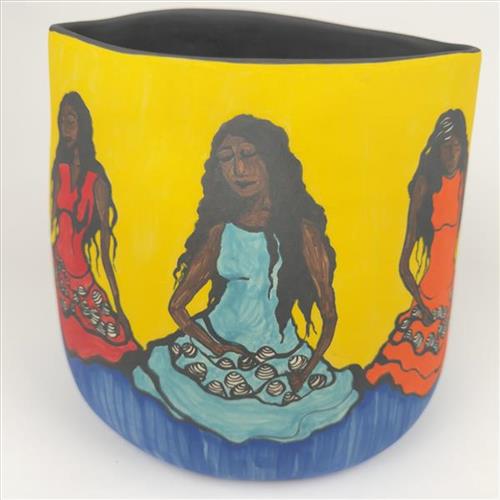
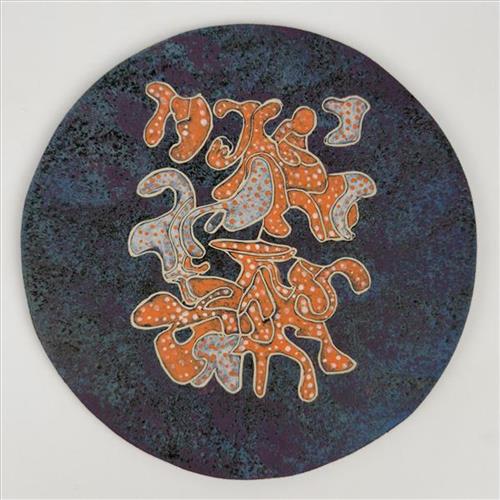
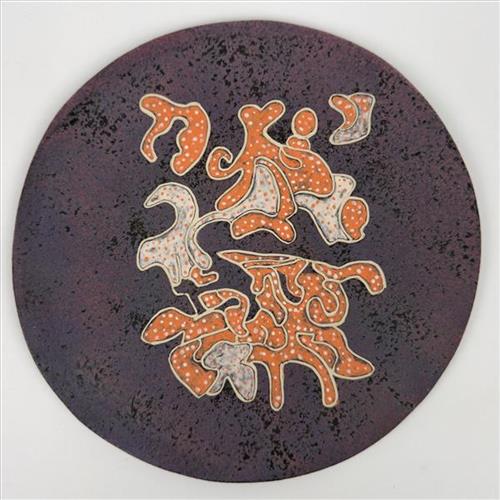
Mukirr dance is about when I would go with my mum, aunties and other family to the Daintree River to harvest freshwater mussels. Using our feet on the river bed, we would feel where the mussels were. Once we located them we would dive to collect them. We used our dresses as holding vessels. Once our dresses were full, we would swim to the bank and off-load to another family member who would get them ready to eat by putting them on the fire. When the ladies were feeling with their feet, it would look like they were dancing in the water. Mukirr means mussels, that is why this artwork is called ‘Mukirr Dance’. The Mukirr dance to me represents my mother, aunties and older cousins as well as many other Yalanji women of the past because this was an important part of people’s life. Today, some ladies still collect mussels up in the shallow area of the Daintree River.

225182416451


Janbal (Quandong)

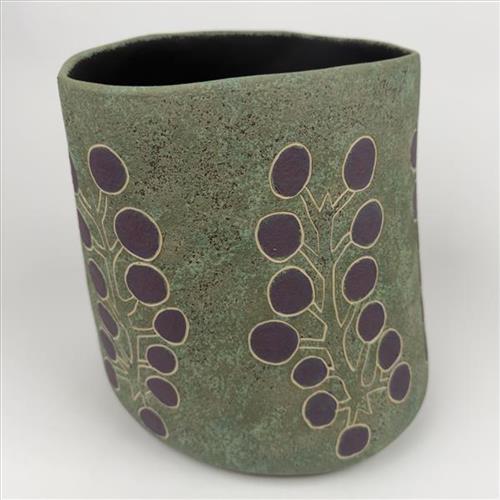
Janbal (Quandong) is good bush tucker. We gather the fruit from August to January when they are sweet and soft. The kernel of the fruit is very pretty and we often use it to make body adornments such as necklaces and earrings.

225182416449


Karrangkal (Corals of the Great Barrier Reef)

Our beautiful Yalanji coastline has many places where the rainforest and the reef come very close together. The colourful corals on this fabric is a reminder of the rich ocean environments of the Great Barrier Reef that have nourished generations of our Kuku Yalanji families and culture.

This fabric helps to convey the traditional knowledge and complexe histories of how Kuku Yalanji used to live with the ocean, including the social rules and practical knowledge of how to hunt and cook various sea animals, distribute food and how to make important material cultural objects such as fish hooks, various traps etc.

225182416448


Karrangkal (Corals of the Great Barrier Reef)

Our beautiful Yalanji coastline has many places where the rainforest and the reef come very close together. The colourful corals on this fabric is a reminder of the rich ocean environments of the Great Barrier Reef that have nourished generations of our Kuku Yalanji families and culture.

This fabric helps to convey the traditional knowledge and complexe histories of how Kuku Yalanji used to live with the ocean, including the social rules and practical knowledge of how to hunt and cook various sea animals, distribute food and how to make important material cultural objects such as fish hooks, various traps etc.

225182416447


Janbal (Quandong)

Janbal (Quandong) is good bush tucker. We gather the fruit from August to January when they are sweet and soft. The kernel of the fruit is very pretty and we often use it to make body adornments such as necklaces and earrings.