115682417104


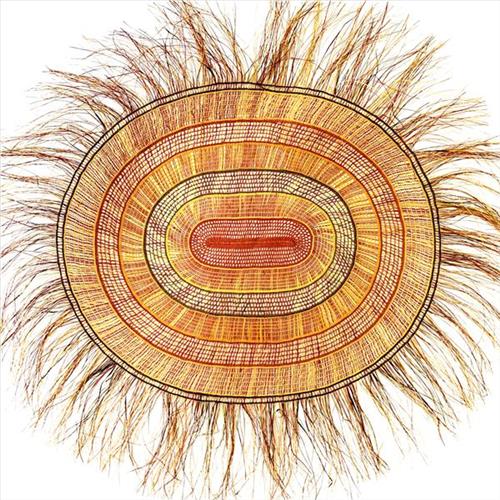
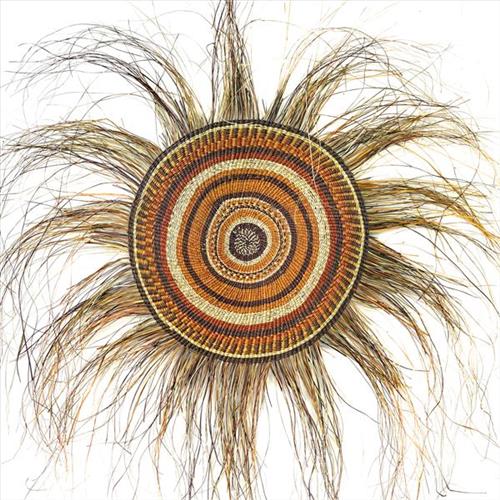
Woven Mat

Yolŋu weavers of Arnhem Land create utilitarian, ceremonial, and decorative pieces using naturally sourced materials. This mat is made from young Pandanus spiralis leaves, harvested with a wooden hook, stripped of prickles, and dried to create strong, resilient fibres. These fibres are then twisted, coiled, or woven using traditional techniques to produce both functional and decorative mats.

Bula’bula weavers exclusively use natural dyes, derived from locally sourced roots, leaves and grasses. These pigments are extracted and infused into pandanus fibres by boiling over an open fire, producing the rich, vibrant colours characteristic of contemporary Yolŋu weavings.

Traditionally, Nganiyal (conical mats) functioned as insect screens when erected and as seating mats when folded, playing an important role in both daily life and ceremonial practices. Today, Yolŋu artists create a variety of shapes, including flat, round, and oblong mats. These non-traditional styles and the use of bright colours became more common after Missionaries began commissioning pieces in this style.
115682416727


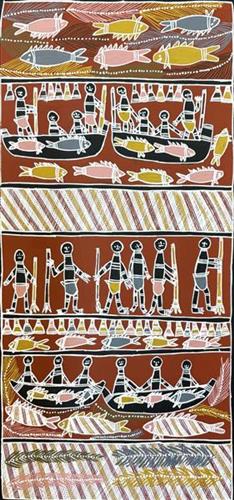
Ganybu (Fishing Net/Drag Net)

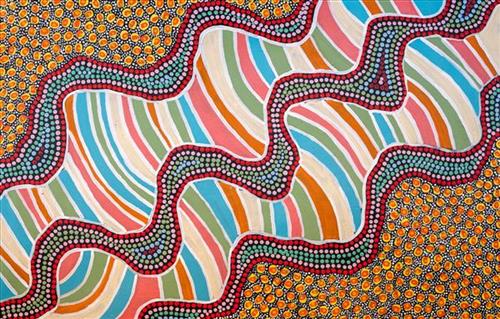
This is a story from the old times, about how Yolngu ancestors used to live.  Here the men are in the Arafura Swamp, catching the fish with a drag net, through the flooded plains and into the fish trap.

116482417167


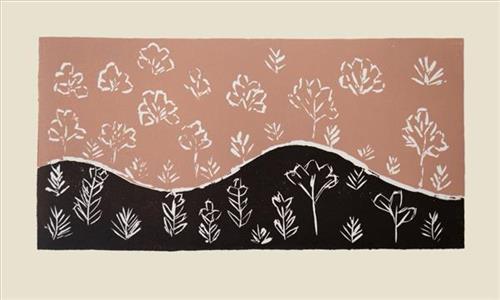
Seeds and Waterways

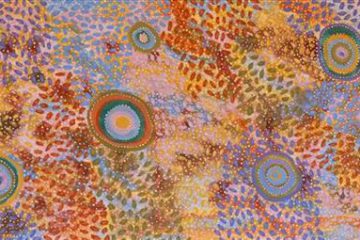
After the rains in the wet season, the waterways are full and the seeds are ready to come up.

116482417145


Fallen Flowers (Dawn Sandy)

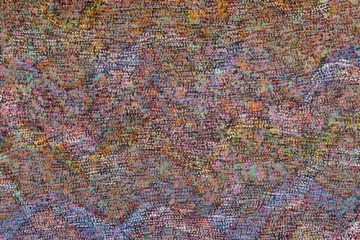
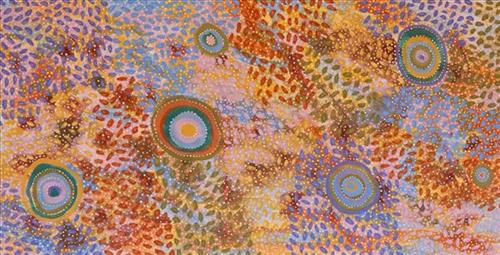
Leaves and flowers fall from the tress on Country, making colourful patterns on the ground.

116482417125


Pilbara Wildflowers and Seeds

These are the Pilbara wildflower’s that grow on the ground. Their seeds spread in the Country ready for the next year.

377816082416957


Mini Eel Trap

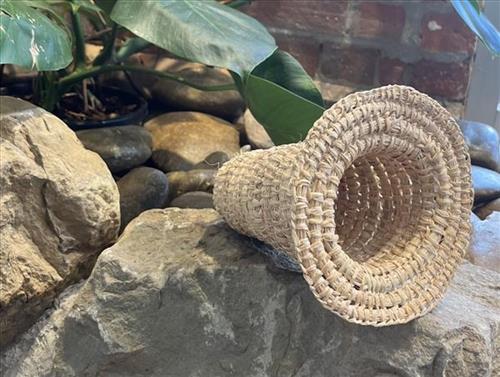
A woven eel trap is a traditional fishing tool, typically cone-shaped, that has been used by Aboriginal communities and other cultures to catch eels in rivers, creeks, and wetlands. Carefully handcrafted from natural fibres, it is designed to guide eels inside while allowing for a sustainable and respectful harvesting practice.

220982417437


Rita Pitjara Beasley – Alatyet Angketyarr (Spinifex Country)

“This is my Father’s country.

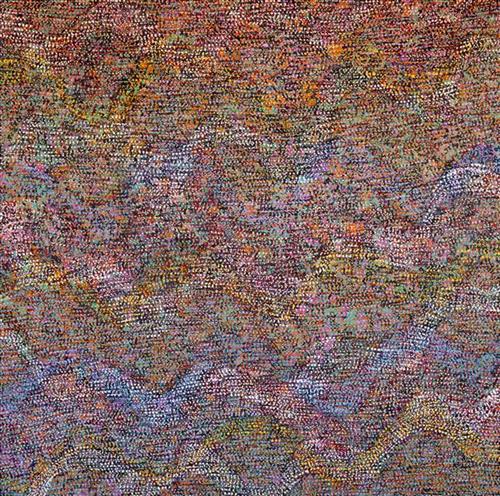
This place is our hunting place. I always go with my daughters and their children, I show them this place and teach them about the swampy country. We hunt for goannas, bush potato, bush tomato and after the big rain the bush medicine is picked and the roots are dug up to be used.

It is important as my mother taught me this and now I teach my family.”

115682417435


Woven Mat

Yolŋu weavers of Arnhem Land create utilitarian, ceremonial, and decorative pieces using naturally sourced materials. This mat is made from young Pandanus spiralis leaves, harvested with a wooden hook, stripped of prickles, and dried to create strong, resilient fibres. These fibres are then twisted, coiled, or woven using traditional techniques to produce both functional and decorative mats.

Bula’bula weavers exclusively use natural dyes, derived from locally sourced roots, leaves and grasses. These pigments are extracted and infused into pandanus fibres by boiling over an open fire, producing the rich, vibrant colours characteristic of contemporary Yolŋu weavings.

Traditionally, Nganiyal (conical mats) functioned as insect screens when erected and as seating mats when folded, playing an important role in both daily life and ceremonial practices. Today, Yolŋu artists create a variety of shapes, including flat, round, and oblong mats. These non-traditional styles and the use of bright colours became more common after Missionaries began commissioning pieces in this style.
220982417429


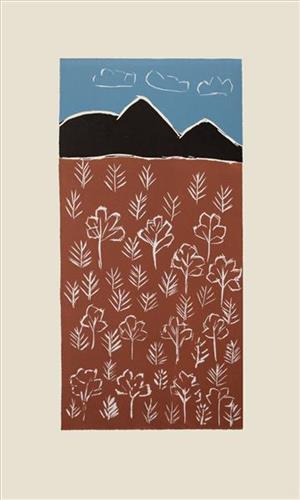
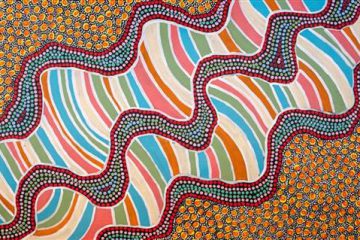
Rita Pitjara Beasley – Apwert Angketyarr (Hill Country)

This place is our hunting place. I always go with my daughters and their children, I show them this place and teach them about the swampy country. We hunt for goannas, bush potato, bush tomato and after the big rain the bush medicine is picked and the roots are dug up to be used.

It is important as my mother taught me this and now I teach my family.”