116482424504


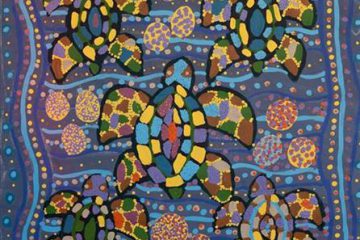
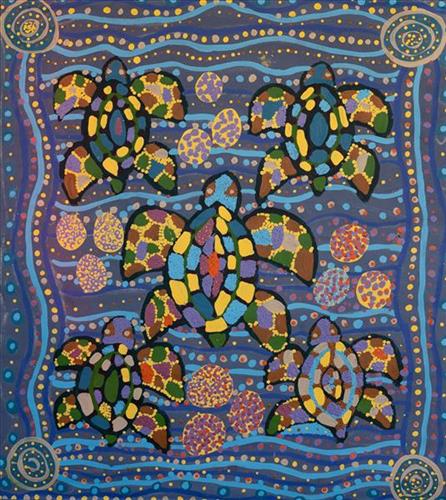
Sea Turtles Jumping

When we see sea turtles in the water, we watch them carefully. Sometimes they jump up out of the ocean and splash back down. This tells us they are getting ready to mate. Our people know that when this happens, the turtles will soon go to the beach to lay their eggs. Sea turtles are important to us. They are part of our stories and our culture. Some of our people collect the eggs and sometimes hunt the turtles, always with respect and only taking what is needed. The turtles teach us to watch, listen, and care for the sea.

221382424608


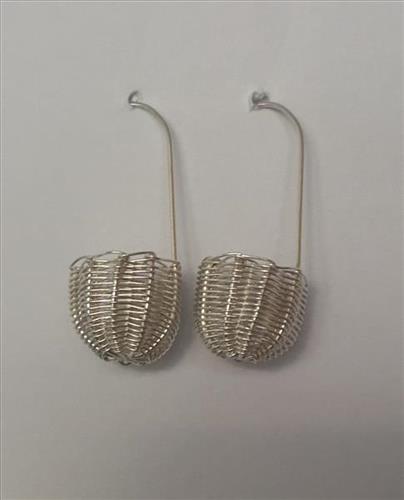
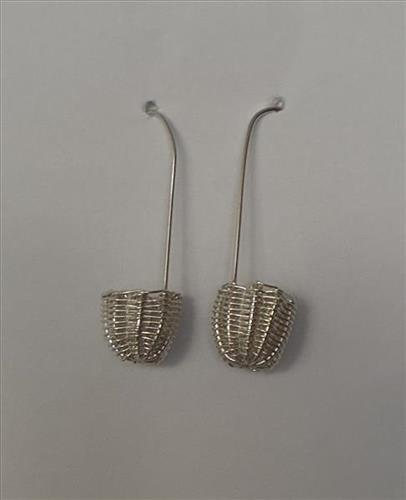
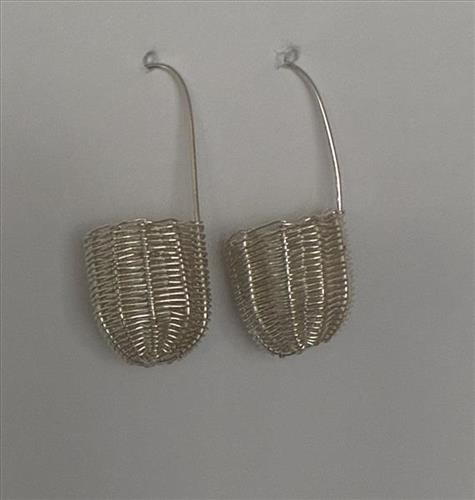
Handwoven Dillybag Earrings, Silver 925

Wagilak Yapa Watj (Wagilak Sisters) range –
exclusive jewellery from Indigenous women of Beswick. Developed in studio workshops with jeweller Kate Sale and weaver Fiona Gavino, traditional fibre artists are translating their skills into a series of fine woven wire earrings and pendants. Hand woven in sliver, gold and copper, traditional forms are transformed as delicate interpretations of string and dilly bags, baskets and mats.

Featuring sterling silver, 9ct gold and copper (all nickel-free work).

221382424607


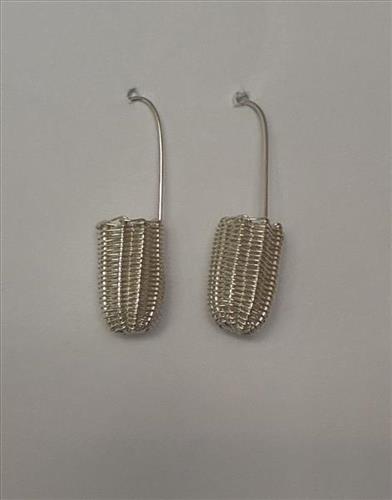
Handwoven Dillybag Earrings, Silver 925

Wagilak Yapa Watj (Wagilak Sisters) range –
exclusive jewellery from Indigenous women of Beswick. Developed in studio workshops with jeweller Kate Sale and weaver Fiona Gavino, traditional fibre artists are translating their skills into a series of fine woven wire earrings and pendants. Hand woven in sliver, gold and copper, traditional forms are transformed as delicate interpretations of string and dilly bags, baskets and mats.

Featuring sterling silver, 9ct gold and copper (all nickel-free work).

221382424605


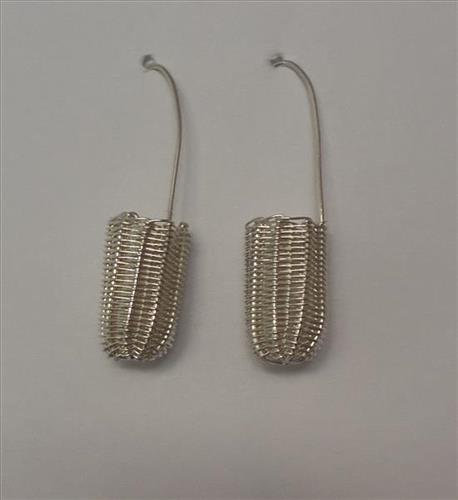
Handwoven Dillybag Earrings, Silver 925

Wagilak Yapa Watj (Wagilak Sisters) range –
exclusive jewellery from Indigenous women of Beswick. Developed in studio workshops with jeweller Kate Sale and weaver Fiona Gavino, traditional fibre artists are translating their skills into a series of fine woven wire earrings and pendants. Hand woven in sliver, gold and copper, traditional forms are transformed as delicate interpretations of string and dilly bags, baskets and mats.

Featuring sterling silver, 9ct gold and copper (all nickel-free work).

221382424604


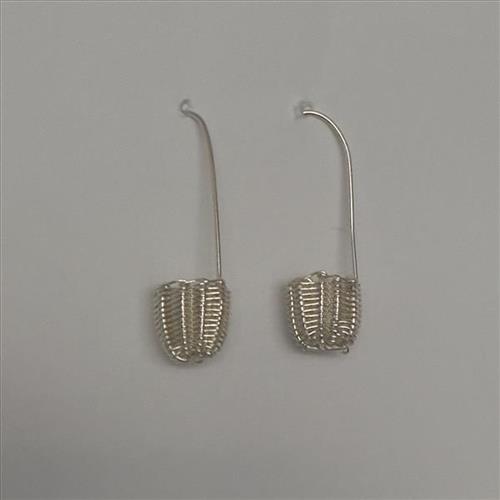
Handwoven Dillybag Earrings, Silver 925

Wagilak Yapa Watj (Wagilak Sisters) range –
exclusive jewellery from Indigenous women of Beswick. Developed in studio workshops with jeweller Kate Sale and weaver Fiona Gavino, traditional fibre artists are translating their skills into a series of fine woven wire earrings and pendants. Hand woven in sliver, gold and copper, traditional forms are transformed as delicate interpretations of string and dilly bags, baskets and mats.

Featuring sterling silver, 9ct gold and copper (all nickel-free work).

221382424603


Handwoven Dillybag Earrings, Silver 925

Wagilak Yapa Watj (Wagilak Sisters) range –
exclusive jewellery from Indigenous women of Beswick. Developed in studio workshops with jeweller Kate Sale and weaver Fiona Gavino, traditional fibre artists are translating their skills into a series of fine woven wire earrings and pendants. Hand woven in sliver, gold and copper, traditional forms are transformed as delicate interpretations of string and dilly bags, baskets and mats.

Featuring sterling silver, 9ct gold and copper (all nickel-free work).

221382424602


Handwoven Dillybag Earrings, Silver 925

Wagilak Yapa Watj (Wagilak Sisters) range –
exclusive jewellery from Indigenous women of Beswick. Developed in studio workshops with jeweller Kate Sale and weaver Fiona Gavino, traditional fibre artists are translating their skills into a series of fine woven wire earrings and pendants. Hand woven in sliver, gold and copper, traditional forms are transformed as delicate interpretations of string and dilly bags, baskets and mats.

Featuring sterling silver, 9ct gold and copper (all nickel-free work).

111982424771


An-gujechiya (Fish Trap)

To make fish traps and fish net fences artists firstly get vine (mirlarl) from the jungle and they put it in water for one night to make it soft. Next they start weaving it; they make rings for the inside to keep the fish trap’s shape. Artists work for three or four weeks on the fish trap. They also make string from kurrajong (burdaga) to attach the hibiscus (bardainy) rings and to tie the conical end of the fish trap. This fish trap is used in saltwater and freshwater. People also use fish net fences called mun-dirra. A long time ago they would put the mun-dirra across rivers and creeks. In the middle they would place the an-gujechiya. They also used small things like sticks, rocks, mud and grass to block the fish from going through. People would then catch fish like saltwater barramundi rajarra, freshwater barramundi (janambal), small black freshwater catfish (buliya), bonefish (an-guwirrpiya), and sand bass (dalakan) in these fish traps.

111982424770


An-gujechiya (Fish Trap)

To make fish traps and fish net fences artists firstly get vine (mirlarl) from the jungle and they put it in water for one night to make it soft. Next they start weaving it; they make rings for the inside to keep the fish trap’s shape. Artists work for three or four weeks on the fish trap. They also make string from kurrajong (burdaga) to attach the hibiscus (bardainy) rings and to tie the conical end of the fish trap. This fish trap is used in saltwater and freshwater. People also use fish net fences called mun-dirra. A long time ago they would put the mun-dirra across rivers and creeks. In the middle they would place the an-gujechiya. They also used small things like sticks, rocks, mud and grass to block the fish from going through. People would then catch fish like saltwater barramundi rajarra, freshwater barramundi (janambal), small black freshwater catfish (buliya), bonefish (an-guwirrpiya), and sand bass (dalakan) in these fish traps.

111982424769


Borndok (Spear Thrower)

The Borndok (Spear Thrower) is used to help propel a spear. These items are used for hunting and highly decorative pieces are used in ceremony. Also known as woomera; a flat type of spear thrower. The borndok is held in one hand, with the spear placed in the hook at the top of the borndok.

Like spears and boomerangs, borndok’s are more commonly used by men. In the West Arnhem region are exclusive to ‘men’s business’, meaning women are forbidden to use. If touched or held by women, women will be cursed to have bad luck or in some cases infertility.