221382439141


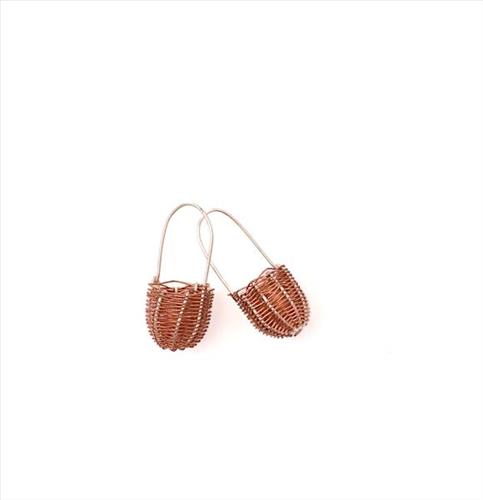
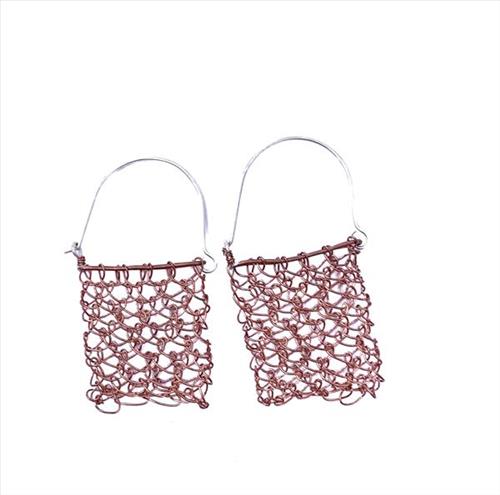
Handwoven Stringbag Earrings, Copper/Silver

Wagilak Yapa Watj (Wagilak Sisters) range –
exclusive jewellery from Indigenous women of Beswick. Developed in studio workshops with jeweller Kate Sale and weaver Fiona Gavino, traditional fibre artists are translating their skills into a series of fine woven wire earrings and pendants. Hand woven in sliver, gold and copper, traditional forms are transformed as delicate interpretations of string and dilly bags, baskets and mats.

Featuring sterling silver, 9ct gold and copper (all nickel-free work).
221382439140


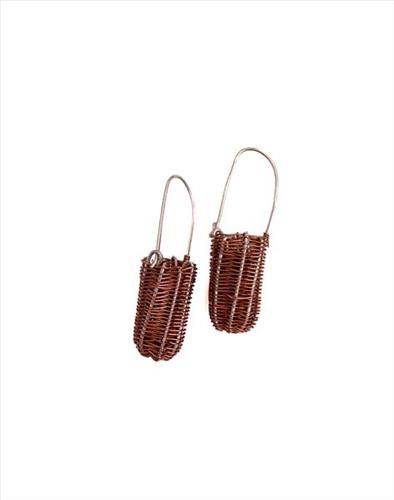
Handwoven Dillybag Earrings, Copper/Silver

Wagilak Yapa Watj (Wagilak Sisters) range –
exclusive jewellery from Indigenous women of Beswick. Developed in studio workshops with jeweller Kate Sale and weaver Fiona Gavino, traditional fibre artists are translating their skills into a series of fine woven wire earrings and pendants. Hand woven in sliver, gold and copper, traditional forms are transformed as delicate interpretations of string and dilly bags, baskets and mats.

Featuring sterling silver, 9ct gold and copper (all nickel-free work).
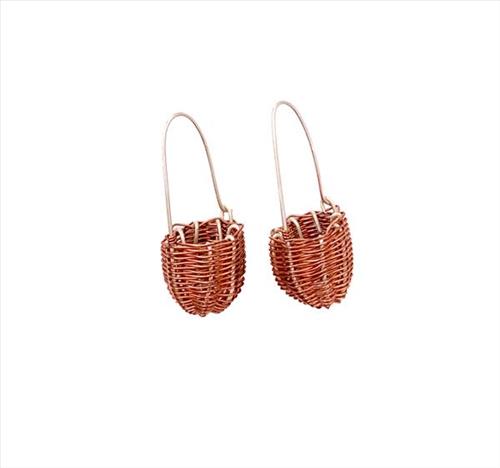
221382439139


Handwoven Dillybag Earrings, Copper/Silver

Wagilak Yapa Watj (Wagilak Sisters) range –
exclusive jewellery from Indigenous women of Beswick. Developed in studio workshops with jeweller Kate Sale and weaver Fiona Gavino, traditional fibre artists are translating their skills into a series of fine woven wire earrings and pendants. Hand woven in sliver, gold and copper, traditional forms are transformed as delicate interpretations of string and dilly bags, baskets and mats.

Featuring sterling silver, 9ct gold and copper (all nickel-free work).
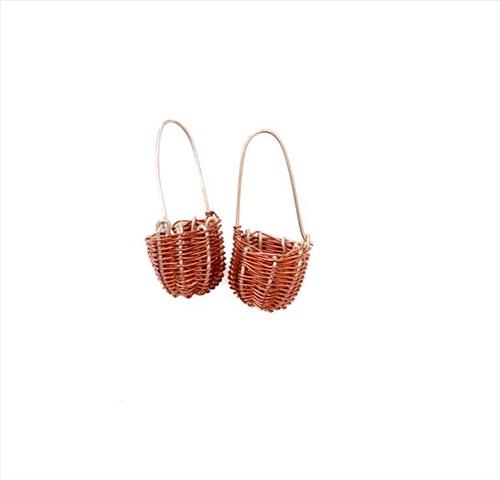
221382439138


Handwoven Dillybag Earrings, Copper/Silver

Wagilak Yapa Watj (Wagilak Sisters) range –
exclusive jewellery from Indigenous women of Beswick. Developed in studio workshops with jeweller Kate Sale and weaver Fiona Gavino, traditional fibre artists are translating their skills into a series of fine woven wire earrings and pendants. Hand woven in sliver, gold and copper, traditional forms are transformed as delicate interpretations of string and dilly bags, baskets and mats.

Featuring sterling silver, 9ct gold and copper (all nickel-free work).
221382439136


Handwoven Dillybag Earrings, Copper/Silver

Wagilak Yapa Watj (Wagilak Sisters) range –
exclusive jewellery from Indigenous women of Beswick. Developed in studio workshops with jeweller Kate Sale and weaver Fiona Gavino, traditional fibre artists are translating their skills into a series of fine woven wire earrings and pendants. Hand woven in sliver, gold and copper, traditional forms are transformed as delicate interpretations of string and dilly bags, baskets and mats.

Featuring sterling silver, 9ct gold and copper (all nickel-free work).
225182439787


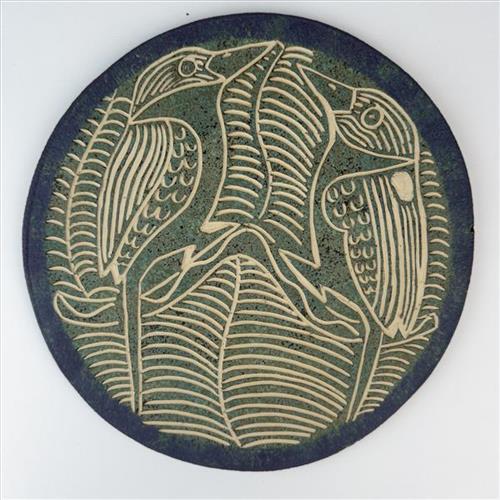
Yindili (Kingfisher)

The Kingfisher, known as Yindili in Kuku Yalanji language, is according to our culture one of the significant messenger birds.  The Kingfisher will let us know when to expect a visit from families living in another community, And when we see a Kingfisher close by, we know that something good will soon happen in our personal life.

225182439786


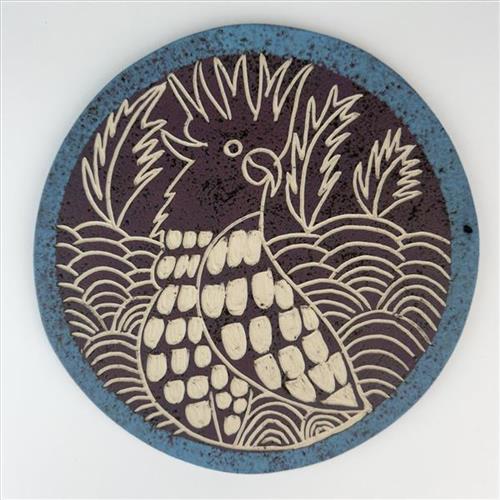
Birmba (White Cockatoo)

Birmba (White Cockatoo) is my family totem. It has been passed down from generation to generation. They always remind me of my grandfather, my sister and other family members who have passed on. White Cockatoos are like protective spirits for me and my family. They will give you signs. Good signs and signs of danger. They will let you know when to move on.
When I’m out with my grandchildren and there is a white cockatoo, I might say, “that is your grandmother, my sister who is watching us”.

At other times, the spirits of other family members visit us in form of white cockatoos. The White Cockatoo keeps our living and past family connected to each other and to our country. When I’m alone, I know they are around. I speak to their spirit and they give me strength.

225182439756


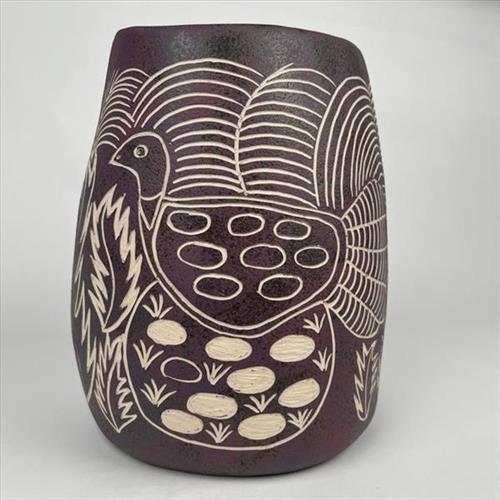
Diwan (Scrub Turkey)

Diwan are bush food – an important source of meat. We also eat the eggs. They are a delicacy. The male bird looks after the nest and will not go far, as he has to protect the nest from bush goanna’s. If they come around, he will send out an alarm call to other Diwan to alert therm. The nesting time for Diwan is September to December. The bush goanna knows when the eggs will be ready to hatch. When the goannas start hanging around, this is a good sign that the eggs are ready. We dig for eggs with digging sticks or by hand. The nest is very deep and when you can feel the warmth with your hands, you know that the eggs are close-by. The eggs are very good for health and make you strong.

225182439753


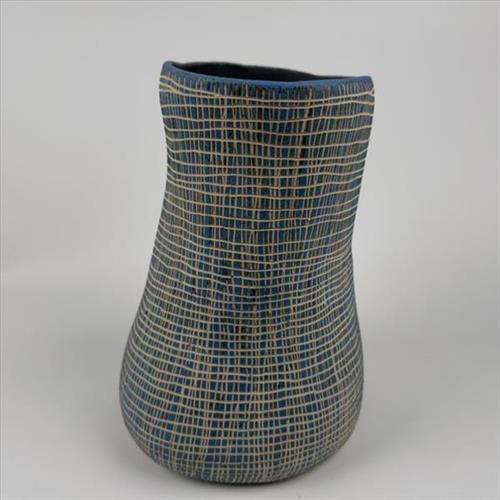
Kakan (Black Palm) Basket Weaving

This design shows how the bottom part of a black palm basket is woven. My grandmothers and aunties used to make them. They cut off the young palm leaves in the centre, stripped and scrapped them. Then they would put the strips in freshwater to make them soft and keep them straight for weaving.

225182439865


Mukirr Dance (Women’s Business)

Mukirr dance is about when I would go with my mum, aunties and other family to the Daintree River to harvest freshwater mussels. Using our feet on the river bed, we would feel where the mussels were. Once we located them we would dive to collect them. We used our dresses as holding vessels. Once our dresses were full, we would swim to the bank and off-load to another family member who would get them ready to eat by putting them on the fire. When the ladies were feeling with their feet, it would look like they were dancing in the water. Mukirr means mussels, that is why this artwork is called ‘Mukirr Dance’. The Mukirr dance to me represents my mother, aunties and older cousins as well as many other Yalanji women of the past because this was an important part of people’s life. Today, some ladies still collect mussels up in the shallow area of the Daintree River.