221382440700


Mukuy Spirit Figures

These finely crafted woven figures represent Mukuy Spirit creatures. The Mukuy belong in Yirritja country called Galanbirni. At night you might hear them playing the Didjeridu. The Mukuy travel around a lot and are often found in sacred places. They are mysterious, sometimes playful and sometimes cheeky characters, often referred to as Devil Devil. Mukuy figures tell the stories of country, culture and spiritual beliefs.

221382440699


Mukuy Spirit Figures

These finely crafted woven figures represent Mukuy Spirit creatures. The Mukuy belong in Yirritja country called Galanbirni. At night you might hear them playing the Didjeridu. The Mukuy travel around a lot and are often found in sacred places. They are mysterious, sometimes playful and sometimes cheeky characters, often referred to as Devil Devil. Mukuy figures tell the stories of country, culture and spiritual beliefs.

221382440698


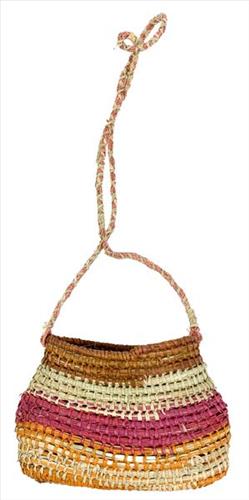
Woven Pandanus Bag

Fibre Art is an ancient Aboriginal women’s craft that is still made today using the same techniques as their ancestors. Making fibre art is labour intensive and much care and fine needlework is required to ensure the finished object is both functional and beautiful. Fibre art from Ghunmarn Culture Centre includes dilly bags, floor mats, bush fans, woven creatures found in the landscape, plants such as yams (bush potato), baskets, place mats, and spirit figures such as mermaids and Mukuys. Natural pandanus fibre (Mukarra), is used to make much of the fibre art produced by the artists of Djilpin Arts. Women collect the pandanus by pulling from the top of the pandanus tree, then stripping and drying the leaves before they are dyed with natural bush colour collected from the Beswick surrounds.

221382440697


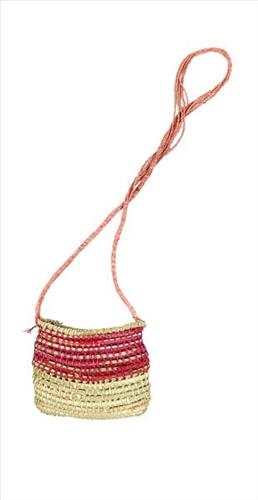
Woven Pandanus Bag

Fibre Art is an ancient Aboriginal women’s craft that is still made today using the same techniques as their ancestors. Making fibre art is labour intensive and much care and fine needlework is required to ensure the finished object is both functional and beautiful. Fibre art from Ghunmarn Culture Centre includes dilly bags, floor mats, bush fans, woven creatures found in the landscape, plants such as yams (bush potato), baskets, place mats, and spirit figures such as mermaids and Mukuys. Natural pandanus fibre (Mukarra), is used to make much of the fibre art produced by the artists of Djilpin Arts. Women collect the pandanus by pulling from the top of the pandanus tree, then stripping and drying the leaves before they are dyed with natural bush colour collected from the Beswick surrounds.

221382440696


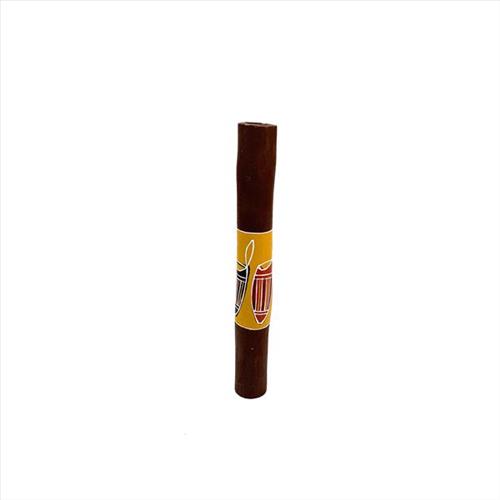
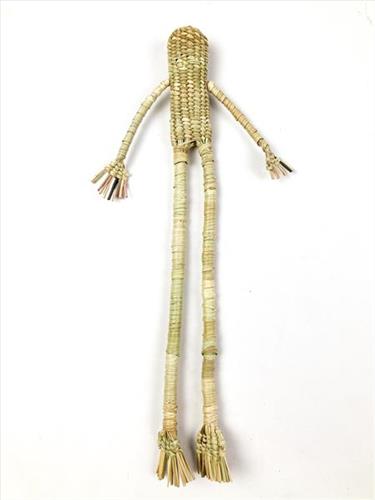
Small Lorrkon

Djilpin Arts is a not for profit Aboriginal Corporation that promotes the maintenance, development and transmission of traditional cultural knowledge systems.

For two decades, Djilpin Arts has been working on country with kin and culture, across generations. Our activities are rich in spirit, bringing, healing to the community and linking traditional knowledge with modern enterprise. Our Centre features galleries, museum collection and award winning accommodation for visitors.

Meet local people and artists, learn about traditional life and culture, browse and buy artworks, stay with us and experience seasonal cultural events, tours and immersions.

All artworks are made by local artists living in the community. Artwork reflects the traditional songs and stories that have been passed down through the generations with a contemporary edge: from paintings, prints, fibre art, carvings and dijeridu together to contemporary design prducts and fine woven wire jewellery.
221382440695


Lorrkon

Djilpin Arts is a not for profit Aboriginal Corporation that promotes the maintenance, development and transmission of traditional cultural knowledge systems.

For two decades, Djilpin Arts has been working on country with kin and culture, across generations. Our activities are rich in spirit, bringing, healing to the community and linking traditional knowledge with modern enterprise. Our Centre features galleries, museum collection and award winning accommodation for visitors.

Meet local people and artists, learn about traditional life and culture, browse and buy artworks, stay with us and experience seasonal cultural events, tours and immersions.

All artworks are made by local artists living in the community. Artwork reflects the traditional songs and stories that have been passed down through the generations with a contemporary edge: from paintings, prints, fibre art, carvings and dijeridu together to contemporary design prducts and fine woven wire jewellery.
221382440694


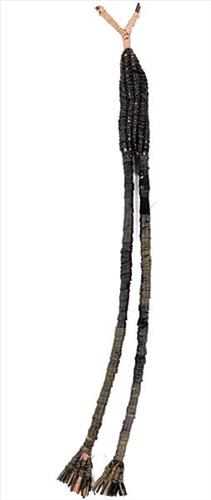
Lorrkon

Djilpin Arts is a not for profit Aboriginal Corporation that promotes the maintenance, development and transmission of traditional cultural knowledge systems.

For two decades, Djilpin Arts has been working on country with kin and culture, across generations. Our activities are rich in spirit, bringing, healing to the community and linking traditional knowledge with modern enterprise. Our Centre features galleries, museum collection and award winning accommodation for visitors.

Meet local people and artists, learn about traditional life and culture, browse and buy artworks, stay with us and experience seasonal cultural events, tours and immersions.

All artworks are made by local artists living in the community. Artwork reflects the traditional songs and stories that have been passed down through the generations with a contemporary edge: from paintings, prints, fibre art, carvings and dijeridu together to contemporary design prducts and fine woven wire jewellery.
221382440693


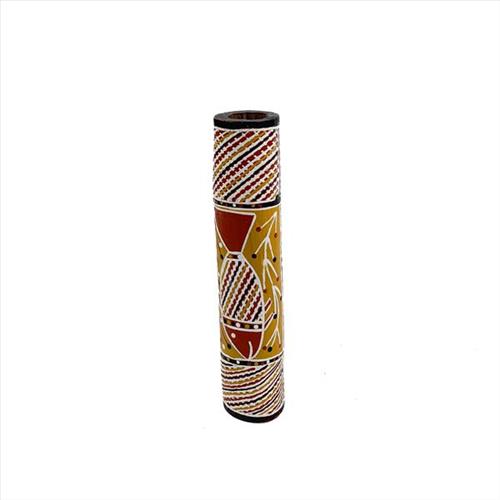
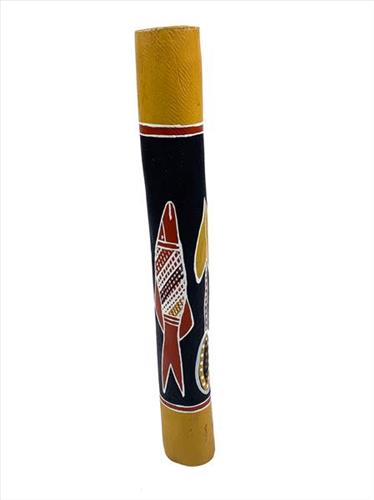
Didjeridu

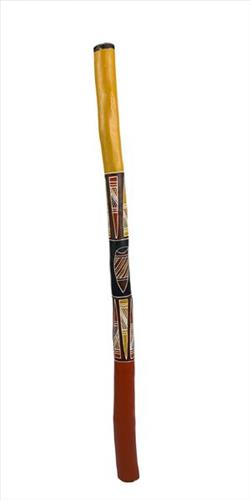
Didjeridus from this region are made in the West Arnhem style. Called Mago, they’re different and special and follow the tradition made famous by Beswick’s Mago Master, elder David Blanasi.

Ghunmarn didjeridus are sourced on country, and hand cut from Woolybutt trees. Artists travel considerable distances on foot to find the right woolybutt tree naturally hollowed out by termites. Good instruments are hand-cut and taken back to camp to be worked, shaped, sanded, tuned and then finally painted.

These are top quality musical instruments, highly regarded worldwide, and still used in ceremony and performance today. Featuring traditional designs handed painted with a Jarlk grass brush.


Most Ghunamrn didjeridus are high pitch D, low pitch D, F, C or G. The longer the dij the lower the pitch, a shorter didj will give a higher sound.

221382440692


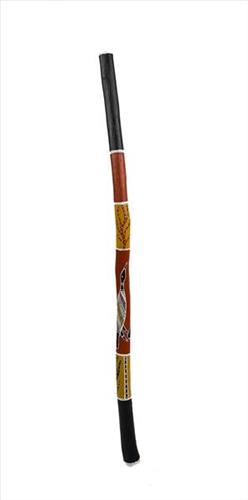
Didjeridu

Didjeridus from this region are made in the West Arnhem style. Called Mago, they’re different and special and follow the tradition made famous by Beswick’s Mago Master, elder David Blanasi.

Ghunmarn didjeridus are sourced on country, and hand cut from Woolybutt trees. Artists travel considerable distances on foot to find the right woolybutt tree naturally hollowed out by termites. Good instruments are hand-cut and taken back to camp to be worked, shaped, sanded, tuned and then finally painted.

These are top quality musical instruments, highly regarded worldwide, and still used in ceremony and performance today. Featuring traditional designs handed painted with a Jarlk grass brush.


Most Ghunamrn didjeridus are high pitch D, low pitch D, F, C or G. The longer the dij the lower the pitch, a shorter didj will give a higher sound.

111582440855


Tuwa (Sandhills)

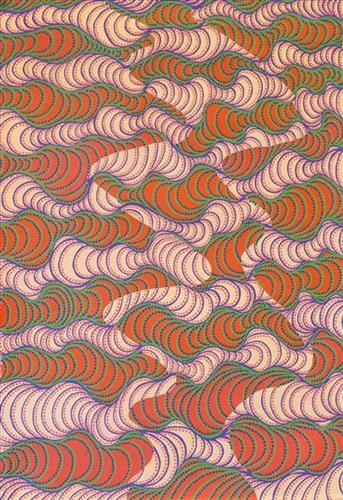
‘’Went with Martumili. Old Jigalong. Judith’s nanna Country, where Judith nanna was born. Went from old Jigalong to Jigalong to right through Parnngurr, Camped the night and then Judith’s pop went to pick him up. His name is Mr Rowlands and I call him brother. He showing me where my nanna’s Country started from Parnngurr towards Lake Disappointment. We camped the night. Judith’s nanna was getting cheeky bossing him (Mr Rowland) around; “we not married anymore that’s why I left him.” Between Lake Disappointment and Durba Springs (Pinpi) there were these beautiful rolling sand hills, we winding through them over top, we stopped half way and I looked out to the sunset saw all the glistening spinifex. The orange from the sunset lit the sand dunes up. When I do the Tuwa paintings I think of that day.’’

– Kathleen Sorensen

The traditional lands of the Martu people encompass the Great Sandy Desert and Rudall River regions of Western Australia, an enormous tract dominated by distinctive red tali, or tuwa (sandhills). These sandhills present an unforgiving landscape; sparse vegetation covers a seemingly never ending expanse of dunes, and yet these lands and the location of resources within them was known intimately by its pujiman (traditional, desert dwelling) inhabitants. At this time, Martu traversed very large distances annually in small family groups, moving from water source to water source through the harsh desert landscape with incredible stamina and resourcefulness. Travel was often undertaken at night, and when travelling during the day, Martu wore yakipiri (woven bark sandals) to protect their feet from the hot desert sand.