111982287916

Published by on


Coil Basket

Coil basketry is a well-established fibre art form in the Maningrida region, especially for women from the Kuninjku, Rembarrnga, Ndjebbana and Nakkara language groups. 

Artists make coiled baskets of many shapes and sizes, ranging from small round baskets to large oval baby baskets, and made mostly from pandanus fibre that is dyed with natural pigments. Bundles of fibre are formed into coils which are covered and stitched together with strands of fibre threaded onto a needle. Artists combine colours and patterns to obtain intricate new graphic patterns.

These techniques are believed to have been introduced to Arnhem Land by Greta Matthews, a missionary on Goulburn Island in the 1920s. She had probably learnt coil basketry from Aboriginal people in the south-east of Australia, possibly the Murray River people such as the Yorta Yorta or the coastal Ngarrindjeri. 

The coiling technique spread quickly from Goulburn Island to people on mainland Arnhem Land. 
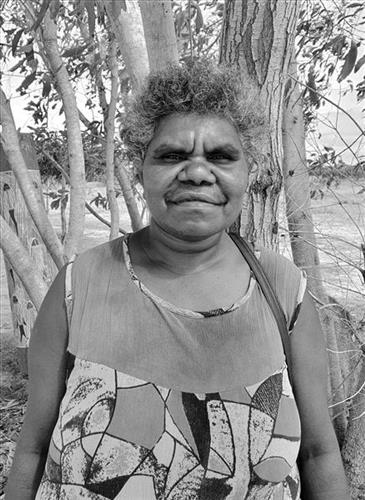


Name: Maureen Ali


Language: Burarra (Martay)


Community: Maningrida


Biography:

Maureen Ali learned to weave under the guidance of her sister Bonny Burarn.garra, a highly skilled fibre artist who has exhibited in commercial galleries around Australia since the 1990s. She also learned from her watching her mother, leading fibre artist Lorna Jin-gubarrangunyja, who won the Wandjuk Marika Award at the 20th Telstra National Aboriginal and Torres Strait Islander Art Award (NATSIAA) in 2013 with a colourful pandanus fish trap.

Maureen has been practicing since 2006. She is Burarra, one of the east-side language groups who specialise in the customary conical dilly bags, woven string bags and mats. She is particularly renowned for the use of mirlarl, (malaisia scandens), a type of vine that grows in the coastal jungle. The use of this vine to manufacture fish traps, barriers and large strong dillybags is unique to this region. 


© the artist / art centre