111982424750

Published by CompNet Systems on


Birlmu or Namarnkorl (Barramundi)

It is well known that Aboriginal art often depicts images of sacred totems or dreamings of Aboriginal culture. However, the world of the non-sacred also provides a rich source of subject matter for Aboriginal art. Much of the rock art of western Arnhem Land for example features secular topics such as common food animals and plants, depicted because of their economic importance but also merely because of their existence in the environment. The artist has depicted ‘birlmu’ or ‘namarnkorl’ (Barramundi [Lates calcarifer]). During the dry season the barramundi is an important food source for inland Aboriginal people. These fish are caught throughout the artist’s clan estate, either in fishtraps woven from pandanus or sedge grass, or else hunted with spears and fishing lines in billabongs and streams where they shelter from the sun under fallen logs or amongst the leaves of water plants.
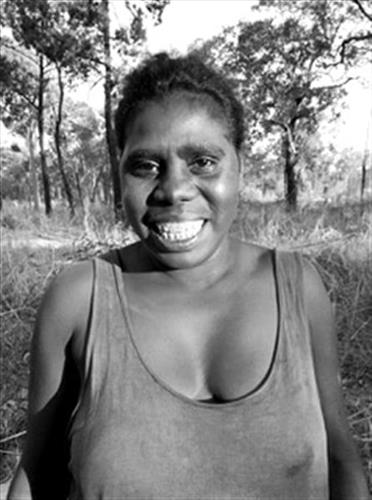
Name: Semeria Wurrkidj


Language: Kuninjku


Community: Maningrida


Biography:

Semeria is a painter and sculptor, specialising in bark painting, dolobbo bim,  and carvings that depict spirit beings, such as yawkyawk and mimih that reside on her Kurrulk clan estate. She is the daughter of the late renowned artists Balang John Mawurndjul AM and Bulanydjan Kay Lindjuwanga. She is part of the next generation of Kuninjku artists trained and working in the designs of her father whose career has been internationally celebrated for decades. She depicts the intricate rarrk designs for which Mawurndjul has given permission to represent, including Wak (Black Crow) and Mankabo, the creek that runs from Milmingkan to Kurrurldul outstations.

Like other Kuninjku artists, Wurrkidj maintains the cultural practice of working with natural materials: ochres which are mixed with water and PVA fixative and applied with manyilk (sedge grass) to dolobbo (stringybark) in the wet season and lorrkkon (hollow log burial poles) and spirit carvings in the dry season. She primarily engages the red, yellow, black and white palette of her father, but achieves a softer effect. 


© the artist / art centre