111582440089
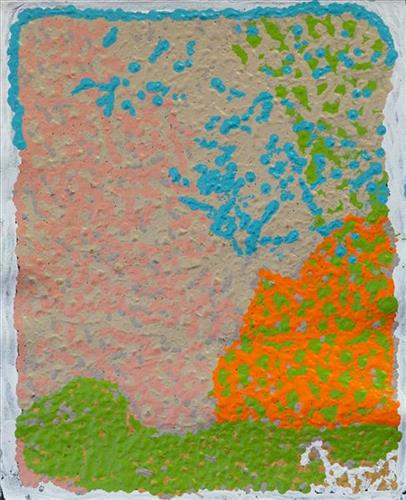
Wirnpa
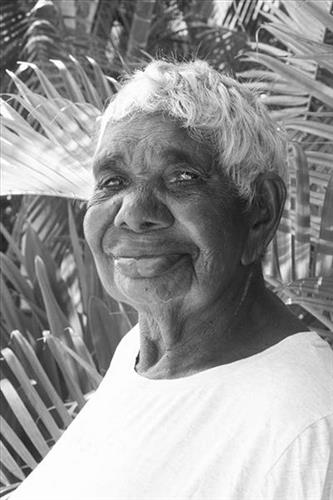
“When I was a little girl, my father and mother took me around [Yulparija Country, north of Manyjilyjarra Country]. We travelled with my grandmother and all the family, we travelled with my sisters and brothers. We went from place to place, stopping in one place, hunting around and stopping in another place. We visited all the yinta [permanent spring]. We could even travel on the water from a soak [an ephemeral water source]. We used to walk around when I was a little girl. I used to stay at the camp, waiting by the water, while my parents and grandparents would go out to get a lot of meat and other food. Little kids would stay home and hunt for small lizards. Then we would all travel together to another place. My grandparents really loved and cared for me when I was a little girl. They took good care of me. I was growing bigger at that time. When I grew bigger, I was able to go hunting on my own, I hunted cats and goannas. My parents still went hunting for meat for us all then.
[Later] I lost my mother and my grandmother, but my other grandmother kept looking after me. I was still travelling with my mother’s mother when I got married and had my daughter, Barli. When I was travelling with my husband and all the family, we went south to Wirnpa and Kurturarra. We stayed around there for a time and then went northeast, on the tableland. During the wet season we would travel out from the yinta across the tableland… We would walk together, hunting as we went.”
– Yikartu Bumba, as translated by Ngalangka Nola Taylor
Wirnpa is an extremely significant cultural site and a soak surrounded by a cluster of salt springs and located within a salt lake at the northern end of the Percival Lakes region. Wirnpa lies in Yulparija Country, in a region dominated by dramatic salt lakes and corrugations of permanent red tali (sandhills). This site forms part of Yikartu’s ngurra (home Country, camp), the area which she knew intimately and travelled extensively as a young woman with her husband, daughter and grandmother.
The soak at Wirnpa is named after one of the most powerful of the ancestral jila (snake) men and the last to travel the desert during the Jukurrpa (Dreaming). The Western Desert term jila is used interchangeably to describe springs considered to be ‘living’ waters and snakes, both of which play a central role in Martu culture and Jukurrpa. Wirnpa is a rainmaking jila who lived and hunted in the Percival Lakes area. His travels are described in the songs and stories of many language groups across the Western Desert, even those far removed from his home site. In his epic travels, Wirnpa met and feasted with many other ancestral beings, exchanged ceremonial objects, and created a series of different laws and ceremonies. When he finally returned home, he searched for his many children only to discover that they had already died. They had laid down and become the salt springs of the Percival Lakes. Wirnpa wept for his children before himself transforming into a snake and entering the soak where he still resides.
As Yikartu describes in her account, she moved around this area seasonally with her family, walking between water sources, and hunting and gathering bush tucker as they went. At this time knowledge of water sources was critical for survival, and today Martu Country is still defined in terms of the location and type of water. Each of the hundreds of claypans, rockholes, waterholes, soaks and springs found in the Martu desert homelands is known by name, location, quality and seasonal availability through real life experience and the recounting of Jukurrpa narratives.