111582444497

Published by on


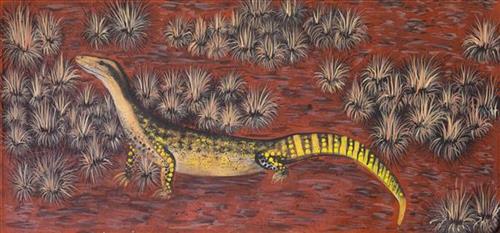
Parnka

Parnajarrpa (sand goanna) are one of the most prized and reliable food sources hunted by Martu, found throughout Australia in sand plain and dune habitats. They are hunted by both men and women, though more often women working either alone or in pairs. Parnajarrpa hibernate in the cool months, emerging seasonally as temperatures warm in tuulparra (spring). When parnajarrpa are active they are tracked and dug from their burrows. When they are hibernating their burrows are ‘sounded’ by tapping wana (digging-sticks) on the ground, and then excavated. Traditional carved wana have been replaced with metal bars, though burning and tracking techniques continue to be practiced in the hunting of parnajarrpa.  Targeted waru (fire) clears vegetation and exposes burrows, whilst simultaneously providing diverse regenerating habitats for future parnajarrpa. When consumed, they are singed and then cooked in a coal and ash bed. 

During the pujiman (traditional, desert dwelling) period, Martu would traverse very large distances annually in small family groups, moving seasonally from water source to water source, and hunting and gathering bush tucker as they went. Whilst desert life has moved away from mobile hunter-gatherer subsistence throughout the course of the twentieth century, bush tucker continues to be a significant component of the modern Martu diet. Hunting and gathering bush tucker remains equally valuable as an important cultural practice that is passed on intergenerationally. Though hunting and gathering implements have been modernised, methods of harvesting, tracking and the use of fire burning to drive animals from their retreats are still commonly practiced today.
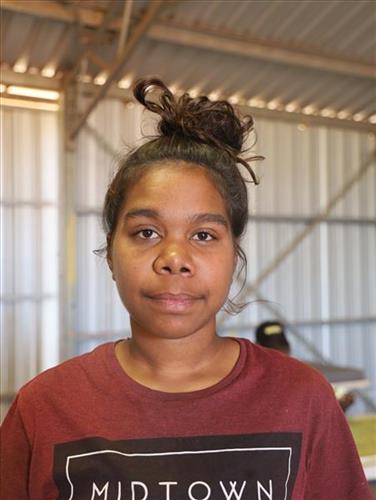
Name: Ciarn Dean-Bullen


Community: Parnngurr


Biography:

"I like painting a lot, I learned from my dad and aunty. I like playing football and basketball. I grew up in Bidgy (Bidyadanga), I like going out fishing and hunting, I mostly like to paint animals and patterns and plants." 

- Ciarn Dean-Bullen

Bidyadanga is a community located on the Kimberley coast in Western Australia, where the Great Sandy Desert meets the sea. The word Bidyadanga is derived from pijarta/ bidyada (emu watering hole).

Bidyadanga is Ciarn’s Country - her ‘ngurra’ (home Country, camp). People identify with their ngurra in terms of specific rights and responsibilities, and the possession of intimate knowledge of the physical and cultural properties of one’s Country. Painting ngurra, and in so doing sharing the Jukurrpa (Dreaming) stories and physical characteristics of that place, has today become an important means of cultural maintenance. Common motifs depicted in her work relate specifically to her heritage of both saltwater country and desert, including marine animals, depictions of water, as well as desert landscapes.

Ciarn is family to fellow Martumili Artists Muuki Taylor OAM and Zia Dean-Bullen. Younger Martu artists often start painting alongside their parents, grandparents, and extended family, which fosters an organic learning process. This not only involves mastering painting techniques but also understanding specific locations, family histories, traditional ways of life, bush tucker, and Jukurrpa (Dreaming). Over time, with encouragement from their peers, they develop their own distinct styles and explore unique painting techniques and subject matter.


© the artist / art centre