221382322656


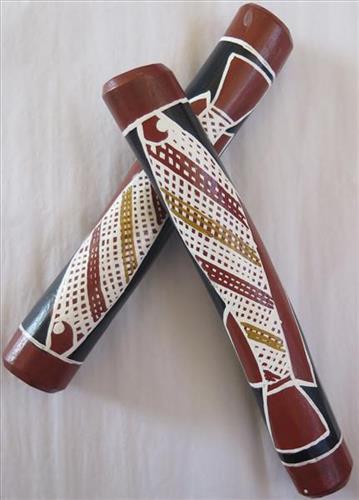
Clapsticks

Wood carving has always been part of Aboriginal culture. Men carved wood for many purposes – tools for hunting or gathering food, axes and knives for building shelters, spears and clubs for protection of their lives and territory, objects for ceremony and to mark sacred sites.

Artists source the timber on country, walking from tree to tree to find the right piece for the desired functional outcome. Once found, it is cut and then brought back to camp to be worked, shaped, sanded and finally finished.

Clapsticks are used in traditional ceremony and dance as a percussion instrument to accompany Mago (didjeridu). Denser woods such as Ironwood or Kerosene wood are preferred due to their crisper clap sound. Clapsticks can be left raw or painted and decorated. Straight timber from younger trees is preferred as it requires less work to make functional.

221382322639


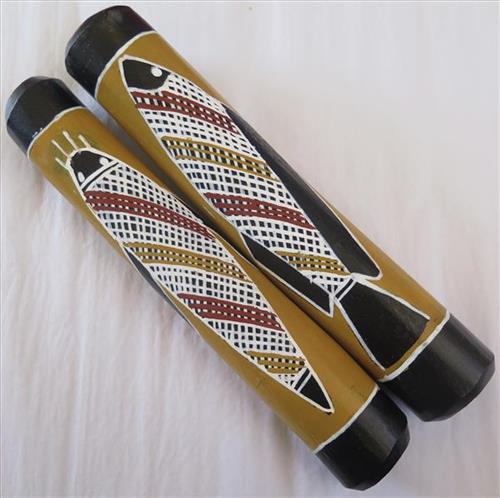
Clapsticks

Wood carving has always been part of Aboriginal culture. Men carved wood for many purposes – tools for hunting or gathering food, axes and knives for building shelters, spears and clubs for protection of their lives and territory, objects for ceremony and to mark sacred sites.

Artists source the timber on country, walking from tree to tree to find the right piece for the desired functional outcome. Once found, it is cut and then brought back to camp to be worked, shaped, sanded and finally finished.

Clapsticks are used in traditional ceremony and dance as a percussion instrument to accompany Mago (didjeridu). Denser woods such as Ironwood or Kerosene wood are preferred due to their crisper clap sound. Clapsticks can be left raw or painted and decorated. Straight timber from younger trees is preferred as it requires less work to make functional.

115682322477


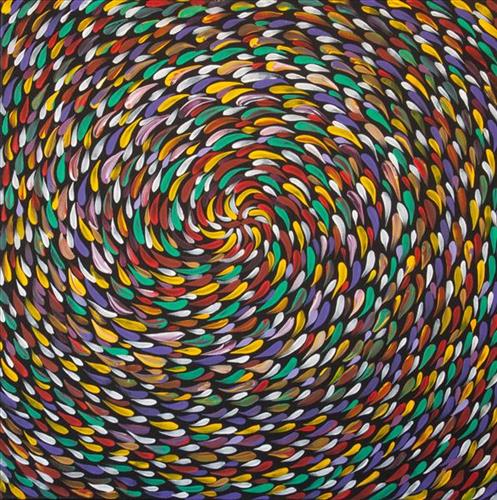
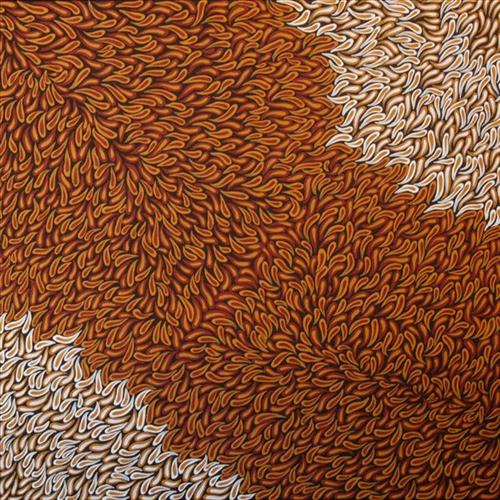
Nawarlah (Brown River Stingray)

Aboriginal art in Ramingining, Central Arnhem Land is commonly illustrated through designs and images of animals, plants, and landscape. These motifs commonly reflect the artists ancestral inheritance and their dreamings and are referred to as totems.

For this, Serena has woven a stingray.

111582322529


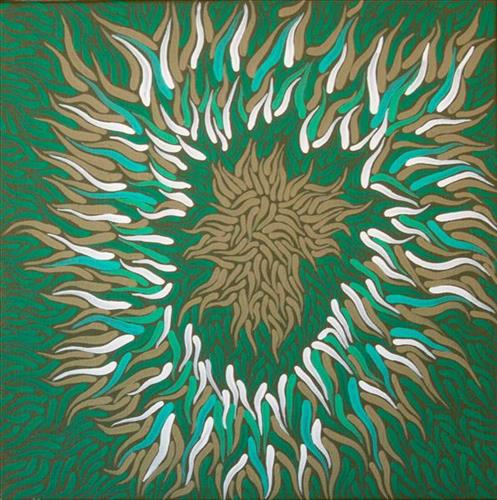
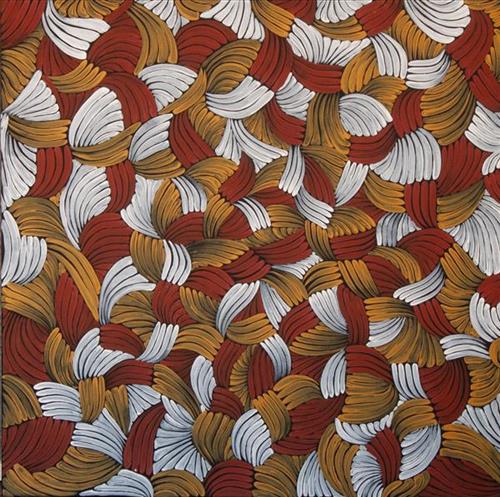
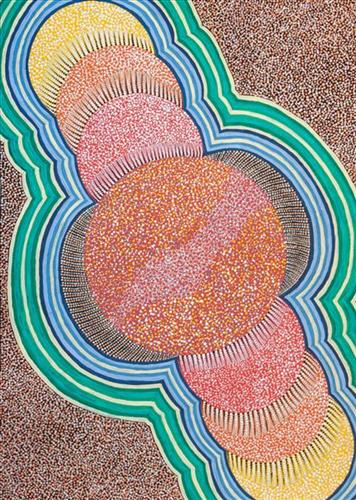
Jakulyukulyu

“In Aboriginal name we call him Jakulyukulyu. In English he Seven Sisters. That man [Yurla] had a big magic stick, and he was dancing. All the ladies watched.”

– Jatarr Lily Long


The term Jukurrpa is often translated in English as the ‘dreaming’, or ‘dreamtime’. It refers generally to the period in which the world was created by ancestral beings, who assumed both human and nonhuman forms. These beings shaped what had been a formless landscape; creating waters, plants, animals, and people. At the same time they provided cultural protocols for the people they created, as well as rules for interacting with the natural environment. At their journey’s end, the ancestral beings transformed themselves into important waters, hills, rocks, and even constellations. 

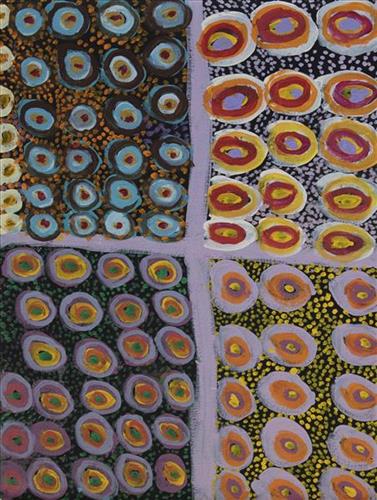
Minyipuru, or Jakulyukulyu (Seven Sisters) is a central Jukurrpa narrative for Martu, Ngaanyatjarra, Pitjantjatjara and Yankunytjatjara people that is associated with the seasonal Pleiades star constellation. Relayed in song, dance, stories and paintings, Minyipuru serves as a creation narrative, a source of information relating to the physical properties of the land, and an embodiment of Aboriginal cultural laws. When Martumili Artists was established in 2005, this was the first Jukurrpa story the artists agreed to paint for a broader public. 

Beginning in Roebourne on the west coast of Western Australia, the story morphs in its movement eastward across the land, following a group of women as they walk, dance, and even fly from waterhole to waterhole. As they travel the women camp, sing, wash, dance and gather food, leaving markers in the landscape and creating landforms that remain to this day, such as groupings of rocks and trees, grinding stones and seeds. During the entirety of their journey the women are pursued by a lustful old man, Yurla, although interactions with other animals, groups of men, and spirit beings are also chronicled.