359709482402047


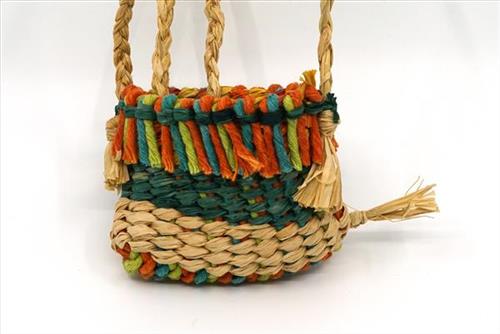
migi bag

Art Centre notes: 

The bag is made of natural raffia and tie-dyed cotton twine.

It is made using a traditional ‘one twist’ method. It has a thin plaited strap that is closed off at the end.

The dyes are commercial and colour fast. 

Size of bowl:  8 x 10cm

Length of strap: 40cm

359709482402046


migi bag

Art Centre notes: 

The bag is made of natural raffia and tie-dyed cotton twine.

It is made using a traditional ‘one twist’ method. It has a thin plaited strap that is closed at the end.

The dyes are commercial and colour fast. 

Size of bowl:  9 x 10cm

Length of strap: 40cm

359709482402045


migi bag

Art Centre notes: 

The bag is made of natural raffia and tie-dyed cotton twine.

It is made using a traditional ‘one twist’ method. It has a thin plaited strap and long tassels underneath with a Kulap (matchbox seed).

The dyes are commercial and colour fast. 

Size of bowl:  8 x 7cm

Length of strap: 40cm

Tassels: 40cm

359709482402044


migi bag

Art Centre notes: 

The bag is made of natural raffia and tie-dye cotton twine.

It is made using a traditional ‘one twist’ method. It has a thick plaited strap and long tassels underneath with a Kulap (matchbox seed).

The dyes are commercial and colour fast. 

Size of bowl:  9 x 9cm

Length of strap: 40cm

Tassels: 40cm

359709482402043


migi bag

Art Centre notes: 

The bag is made of natural raffia and tie-dyed cotton twine.

It is made using a traditional ‘one twist’ method. It has a thin plaited strap and long tassels underneath with a Kulap (matchbox seed).

The dyes are commercial and colour fast. 

Size of bowl:  8 x 8cm

Length of strap: 40cm

Tassels: 40cm

359709482402042


migi bag

Art Centre notes: 

The bag is made of natural raffia, tie-dyed cotton twine and brown jute string.

It is made using a traditional ‘one twist’ method. It has a thick plaited strap and long tassels underneath with a Kulap (matchbox seed).

The dyes are commercial and colour fast. 

Size of bowl:  9 x 8cm

Length of strap: 40cm

Tassels: 40cm

115682402170


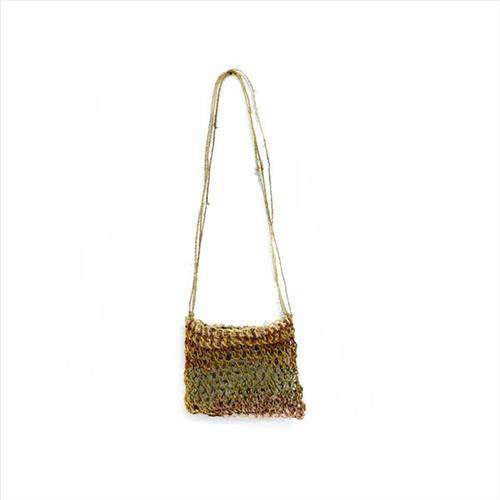
Djerrk (Bush String Bag)

Djerrk (Bush String Bag) is a flexible, open weave bag made from the bark of Balgurr (red-flowered Kurrajong) but can also be made using Banyan Tree or the Cocky Apple Tree.

The bark is harvested by cutting sections of the tree from the trunk. Depending on the size of the tree, this can involve removing small sections or the whole trunk. The inner bark is then softened by being beaten or chewed, then dyed.

Bula’bula weavers exclusively use natural dyes, derived from locally sourced roots, leaves and grasses. These pigments are extracted and infused into dried balgurr fibres by boiling over an open fire, producing the rich, vibrant colours characteristic of contemporary Yolŋu weavings.

Once dyed, the fibre is separated into fine strips the rolled on the thigh to create a rope, otherwise known as bush string. The bush string is woven and knotted to create the Djerrk (String Bag). This bag was used for every day utilitarian purposes, particularly collecting bush foods.

114182402180


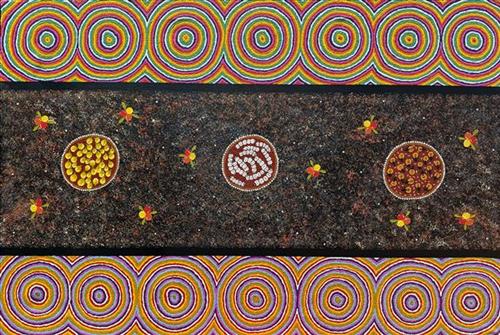
Women collecting bush foods

The Anangu people travelled vast desert landscapes, following the seasons for food and shelter, deeply attuned to the rhythms of the land. This resilience and wisdom embedded in traditional bush foods that sustained them across generations.

Maku (Witchety Grubs), with their creamy, nutty flavour, represent survival and the resourcefulness to draw nourishment from deep within tree roots. Kampurarrpa (Desert Raisins), small and tangy, add brightness and essential nutrients to desert diets, thriving under intense sun.

Ipalu (Bush Banana), a climbing vine with crisp, slender fruits, offers fibre and hydration—a refreshing staple in arid climates. Ili (Bush Figs), with their mild sweetness, grow from rugged trees, offering a delicate treat in the harsh terrain.

Through vibrant colours and intricate designs, these bush foods embody the spirit of Ngaanyatjarra culture, each a testament to the land’s gifts and the knowledge passed through generations.