115682397150


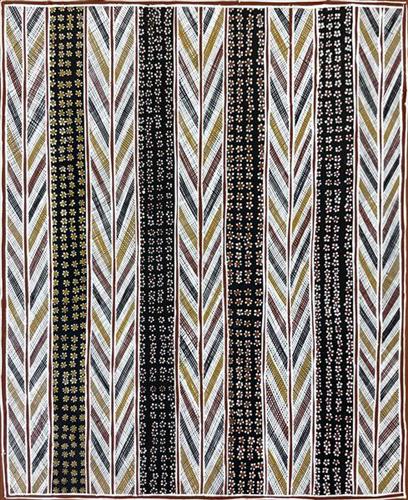
Warrnyu Dhawu (Flying Fox Story)

Back in the Creation time, Warrnyu (Flying Foxes) once lived, like men, in the cave at the place called Kurrki Warrnyu Yirri Djaringal (they also lived in caves called Wadatilmurr & Gurngurmirrngu). Warrnyu lived in these caves for many years and then one day Djanyarr (The Dog), an ancestral being in the form of a man, came along. He was looking around for a place to live. Djanyarr heard the sound of a Flying Fox screaming. He went down to the cliff and pushed the rock and the water came out at the Ganalbingu place called Gurrkawakarrmurr. He then went into the cave and into the sacred hole, frightening all the Flying Fox away. When he went into the hole he left his dilly bag in the tree and went out on the other side of the sacred cave and leaving his spear and woomera. He sat there for a long time. The Dog made three streams and the water went inside the cave. Two of these streams are good drinking water. In the middle it is a sacred water. No-one drinks from the middle of the stream. Children, men, women, young boys or girls are not allowed to drink from the middle of the stream. If they drink the water from the middle of the stream they will go grey too early.

At Kurrki Warrnyu Yirri Ngilaya Djaringal, the Flying Fox made himself into a young man… that’s what Aboriginal people do today. They have ceremonies and dances to make the young boys into men. The songs are called Yirrarwu, Gulumu, Rruburra and Burryun. Dhapi (initiation ceremony) happen today because the Warrnyu (Flying Fox) people performed them a long time ago before the Yolngu people. It was the Warrnyu people who first performed circumcision of the young boys to make them into men. It all happened at Kurrki Warrnyu Yirri Ngilaya Djaringal, this is how this place got its name.

Leaving behind the cave at Kurrki Warrnyu Yirri Djaringal, the Dog travelled west across the Arafura Swamp and came to Djalkulmurr (Mount Delight). From there he travelled north and came to Dunganda (a hill situated a few kilometres east of Ramingining). There he met a female Dog, then they both headed north and came to a place called Garanydjirrmurr where they spoke the Mildjingi language. From Garanydjirrmurr they changed their direction and went west through Guliny’barra, Burgumara and onto the plains. When they reached the plains they smelled something cooking, way up in the north – at Wessel Islands. The aroma they smelt was so enticing that they decided to go there. Lungurrma (the north-east wind) was carrying the smell. One Dog headed north again, but the other Dog decided not to go with him and went back the opposite way. The first Dog that went to Malwanatharra (Sandy Point) went into the sea following its nose to wherever the smell was coming from. It is believed that this Dog still lives in the sea…
111582397294


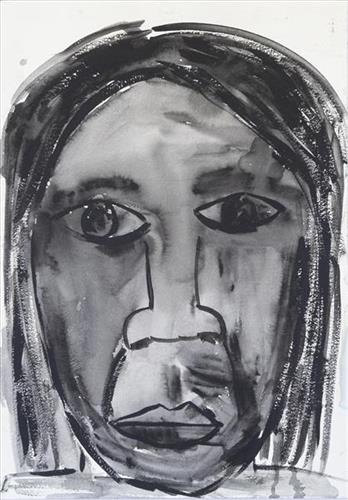
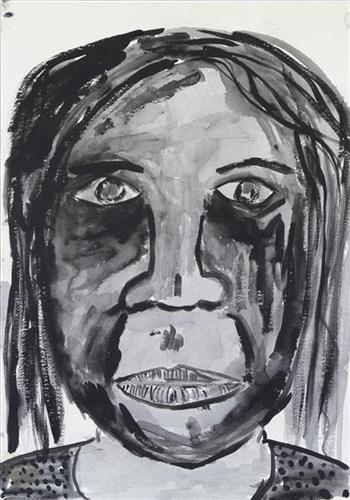
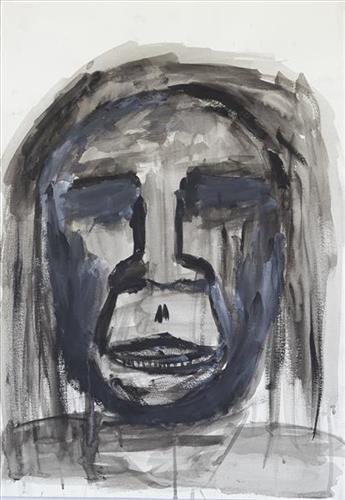
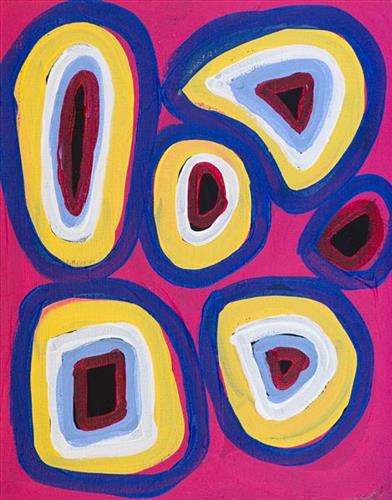
Two Worlds

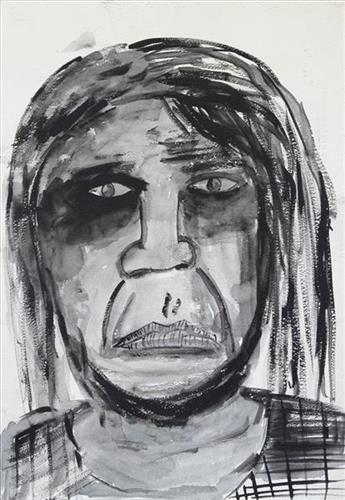
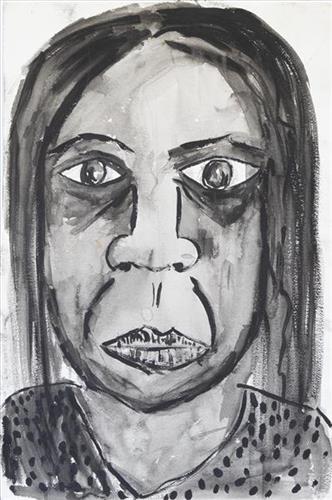
“This painting is about my experience being a Martu woman, in the body of a Martu, but I was brought up different. Growing up in a whitefella way. If I wasn’t adopted, what would I be? There’s so many words- adoption, fostered, taken… but I wasn’t taken. My mum just wanted the best life for me. I got educated. Walking in two worlds, being black and white. When you actually walk it, it’s a different feeling. It’s daunting. You don’t get a handbook of how to be Martu when you come back to Country. Identity is a big issue. I’ve always just been me- but then I learned more about how Martu culture is so strong. 

I try to stay grounded, and at the same time keep educating myself. I’m learning every day.”

 – Sylvia Wilson

111582397293


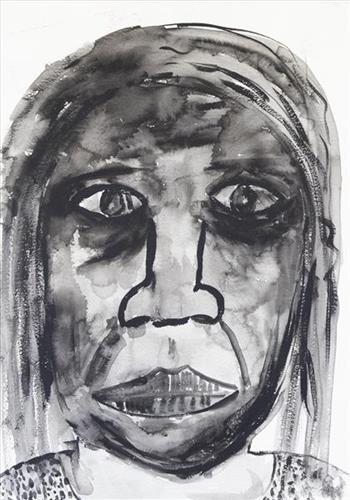
Two Worlds

“This painting is about my experience being a Martu woman, in the body of a Martu, but I was brought up different. Growing up in a whitefella way. If I wasn’t adopted, what would I be? There’s so many words- adoption, fostered, taken… but I wasn’t taken. My mum just wanted the best life for me. I got educated. Walking in two worlds, being black and white. When you actually walk it, it’s a different feeling. It’s daunting. You don’t get a handbook of how to be Martu when you come back to Country. Identity is a big issue. I’ve always just been me- but then I learned more about how Martu culture is so strong. 

I try to stay grounded, and at the same time keep educating myself. I’m learning every day.”

 – Sylvia Wilson

111582397292


Two Worlds

“This painting is about my experience being a Martu woman, in the body of a Martu, but I was brought up different. Growing up in a whitefella way. If I wasn’t adopted, what would I be? There’s so many words- adoption, fostered, taken… but I wasn’t taken. My mum just wanted the best life for me. I got educated. Walking in two worlds, being black and white. When you actually walk it, it’s a different feeling. It’s daunting. You don’t get a handbook of how to be Martu when you come back to Country. Identity is a big issue. I’ve always just been me- but then I learned more about how Martu culture is so strong. 

I try to stay grounded, and at the same time keep educating myself. I’m learning every day.”

 – Sylvia Wilson

111582397291


Two Worlds

“This painting is about my experience being a Martu woman, in the body of a Martu, but I was brought up different. Growing up in a whitefella way. If I wasn’t adopted, what would I be? There’s so many words- adoption, fostered, taken… but I wasn’t taken. My mum just wanted the best life for me. I got educated. Walking in two worlds, being black and white. When you actually walk it, it’s a different feeling. It’s daunting. You don’t get a handbook of how to be Martu when you come back to Country. Identity is a big issue. I’ve always just been me- but then I learned more about how Martu culture is so strong. 

I try to stay grounded, and at the same time keep educating myself. I’m learning every day.”

 – Sylvia Wilson

111582397290


Two Worlds

“This painting is about my experience being a Martu woman, in the body of a Martu, but I was brought up different. Growing up in a whitefella way. If I wasn’t adopted, what would I be? There’s so many words- adoption, fostered, taken… but I wasn’t taken. My mum just wanted the best life for me. I got educated. Walking in two worlds, being black and white. When you actually walk it, it’s a different feeling. It’s daunting. You don’t get a handbook of how to be Martu when you come back to Country. Identity is a big issue. I’ve always just been me- but then I learned more about how Martu culture is so strong. 

I try to stay grounded, and at the same time keep educating myself. I’m learning every day.”

 – Sylvia Wilson

111582397289


Two Worlds

“This painting is about my experience being a Martu woman, in the body of a Martu, but I was brought up different. Growing up in a whitefella way. If I wasn’t adopted, what would I be? There’s so many words- adoption, fostered, taken… but I wasn’t taken. My mum just wanted the best life for me. I got educated. Walking in two worlds, being black and white. When you actually walk it, it’s a different feeling. It’s daunting. You don’t get a handbook of how to be Martu when you come back to Country. Identity is a big issue. I’ve always just been me- but then I learned more about how Martu culture is so strong. 

I try to stay grounded, and at the same time keep educating myself. I’m learning every day.”

 – Sylvia Wilson

114182397417


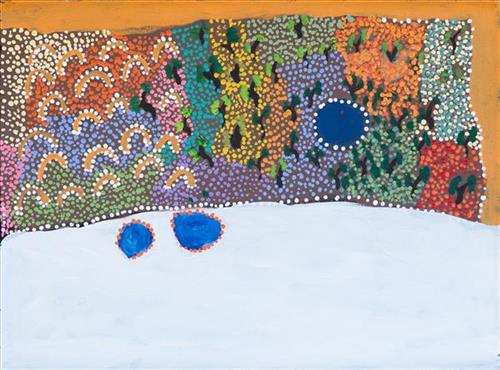
Women collecting bush foods

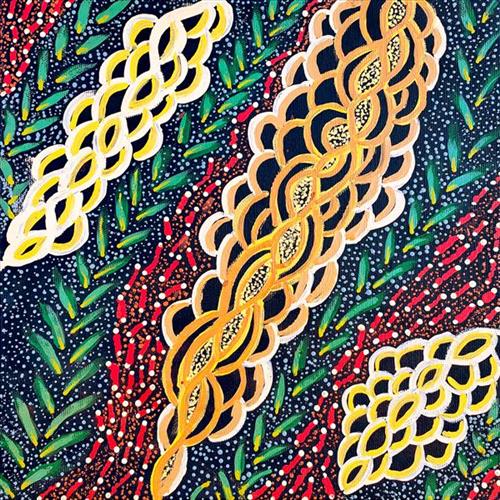
The Anangu people travelled vast desert landscapes, following the seasons for food and shelter, deeply attuned to the rhythms of the land. This resilience and wisdom embedded in traditional bush foods that sustained them across generations.

Maku (Witchety Grubs), with their creamy, nutty flavour, represent survival and the resourcefulness to draw nourishment from deep within tree roots. Kampurarrpa (Desert Raisins), small and tangy, add brightness and essential nutrients to desert diets, thriving under intense sun.

Ipalu (Bush Banana), a climbing vine with crisp, slender fruits, offers fibre and hydration—a refreshing staple in arid climates. Ili (Bush Figs), with their mild sweetness, grow from rugged trees, offering a delicate treat in the harsh terrain.

Through vibrant colours and intricate designs, these bush foods embody the spirit of Ngaanyatjarra culture, each a testament to the land’s gifts and the knowledge passed through generations.

111582397415


Pitu

“I paint Pitu because my father come[s] from Pitu and all the rest of the family, they belong to there. Family hear the stories all the time from Jakayu [Biljabu]. It’s their connection to that place. All the old people were walking through that area, aunty Jakayu was born there. It’s a sad story, hers. We [went] there… to see it again. It’s a long, long way from Punmu. All the other family [saw] where their family is from and where they belong to.”


–       Kuru Gladys Bidu


Pitu (Separation Well) forms part of Kuru’s ngurra (home Country, camp) through her father. It is a significant cultural site and large soak located yulparirra (south) of Wuranu (Canning Stock Route Well 29) and Kulilu rockhole and soak. As a site where fresh water was available all year, Pitu was an important camp and a meeting place for Kartujarra and Manyjilyjarra people during the pujiman (traditional, desert dwelling) era. At this time, knowledge of water sources was critical for survival, and today Martu Country is still defined in terms of the location and type of water. Each of the hundreds of claypans, rockholes, waterholes, soaks and springs found in the Martu desert homelands is known by name, location, quality and seasonal availability through real life experience and the recounting of Jukurrpa (Dreaming) narratives. 


Soaks, or soakwaters, derive their name from the manner in which their waters generally seep into the sand from below stores, sometimes as part of an ephemeral river or creek. Soaks were an especially important source of water during the pujiman era, being the most dependable water source in times of drought. Water was obtained from soaks by scooping away the sand with a piti (timber bowls used for carrying food and water) until clear water gathered at the base of the hole, sometimes at a depth of several metres. Pitu is also surrounded by shrubs that need to be cleared to access its waters.

111582397412


Wirnpa

Wirnpa is an extremely significant cultural site and a soak surrounded by a cluster of salt springs and located within a salt lake at the northern end of the Percival Lakes region. Wirnpa lies in Yulparija Country, in a region dominated by dramatic salt lakes and corrugations of permanent red tali (sandhills).

The soak at Wirnpa is named after one of the most powerful of the ancestral jila (snake) men and the last to travel the desert during the Jukurrpa (Dreaming). The Western Desert term jila is used interchangeably to describe springs considered to be ‘living’ waters and snakes, both of which play a central role in Martu culture and Jukurrpa. Wirnpa is a rainmaking jila who lived and hunted in the Percival Lakes area. His travels are described in the songs and stories of many language groups across the Western Desert, even those far removed from his home site. In his epic travels, Wirnpa met and feasted with many other ancestral beings, exchanged ceremonial objects, and created a series of different laws and ceremonies. When he finally returned home, he searched for his many children only to discover that they had already died. They had laid down and become the salt springs of the Percival Lakes. Wirnpa wept for his children before himself transforming into a snake and entering the soak where he still resides.  

Jila sites like Wirnpa must be entered respectfully; particular rituals are practiced, such as lighting fires, sweeping the ground with branches, approaching in single file, and calling out to the site’s jila to announce one’s arrival and introduce people who are new to the jila. Those who do not follow these guidelines are in danger of becoming sick, or even being killed.